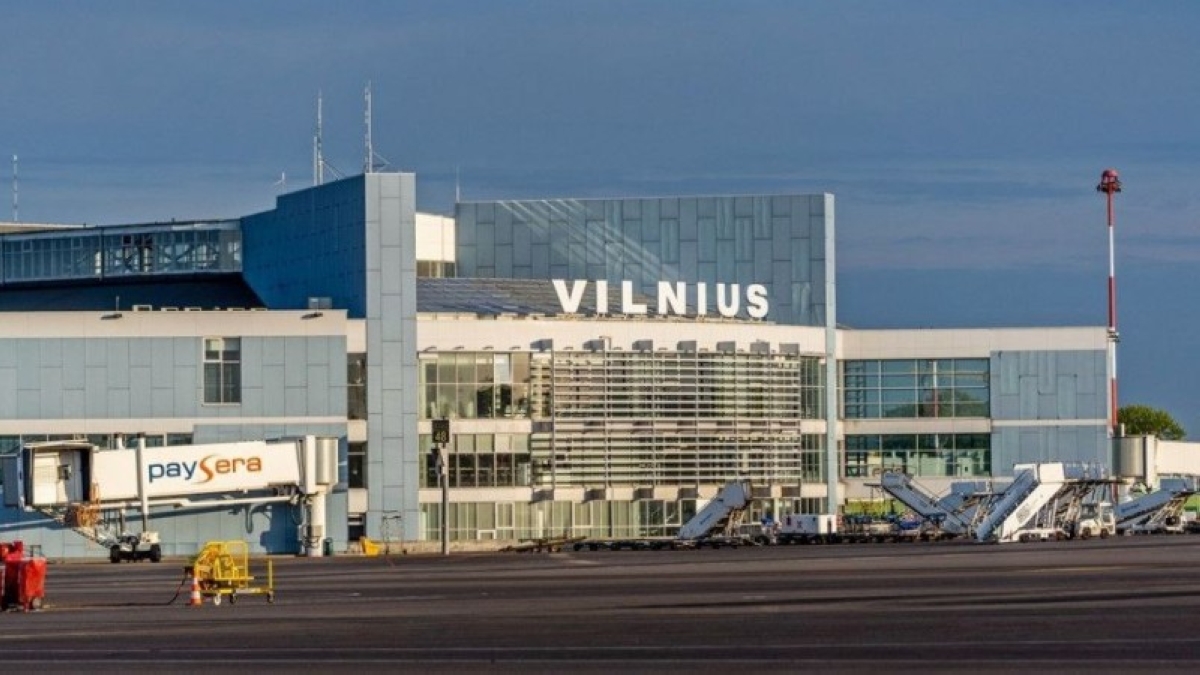
في تصعيد يثير القلق الأمني في شرق أوروبا، أعلنت السلطات الليتوانية (الأحد) إغلاق مطار فيلنيوس الدولي، أكبر المطارات في البلاد، إلى جانب إغلاق كامل المعابر الحدودية مع بيلاروسيا، بعد دخول عدة أجسام مجهولة إلى المجال الجوي الليتواني.
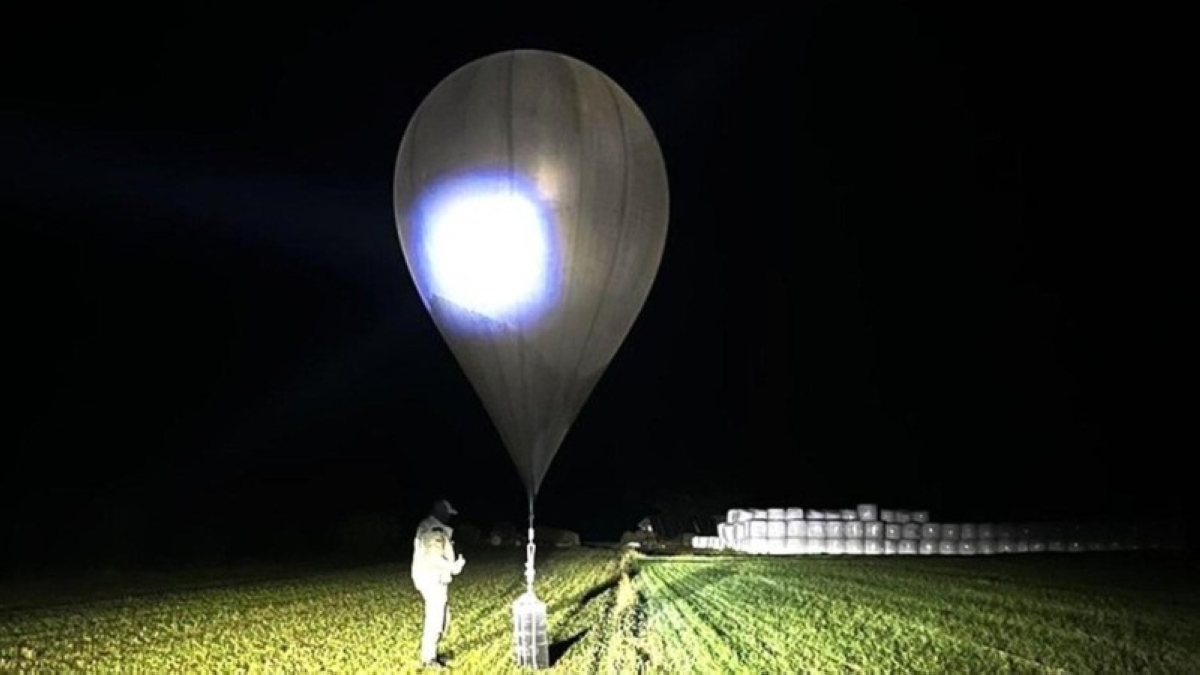
وتم تحديد هذه الأجسام لاحقًا على الأرجح بأنها بالونات هيليوم تحمل حمولة تهريبية، في رابع حادثة من نوعها خلال الأسبوع الماضي وحده، مما أثار مخاوف من تصعيد هجين يربط بين التهريب الاقتصادي والتوترات الجيوسياسية مع حلفاء روسيا.
تعطيل الملاحة الجوية
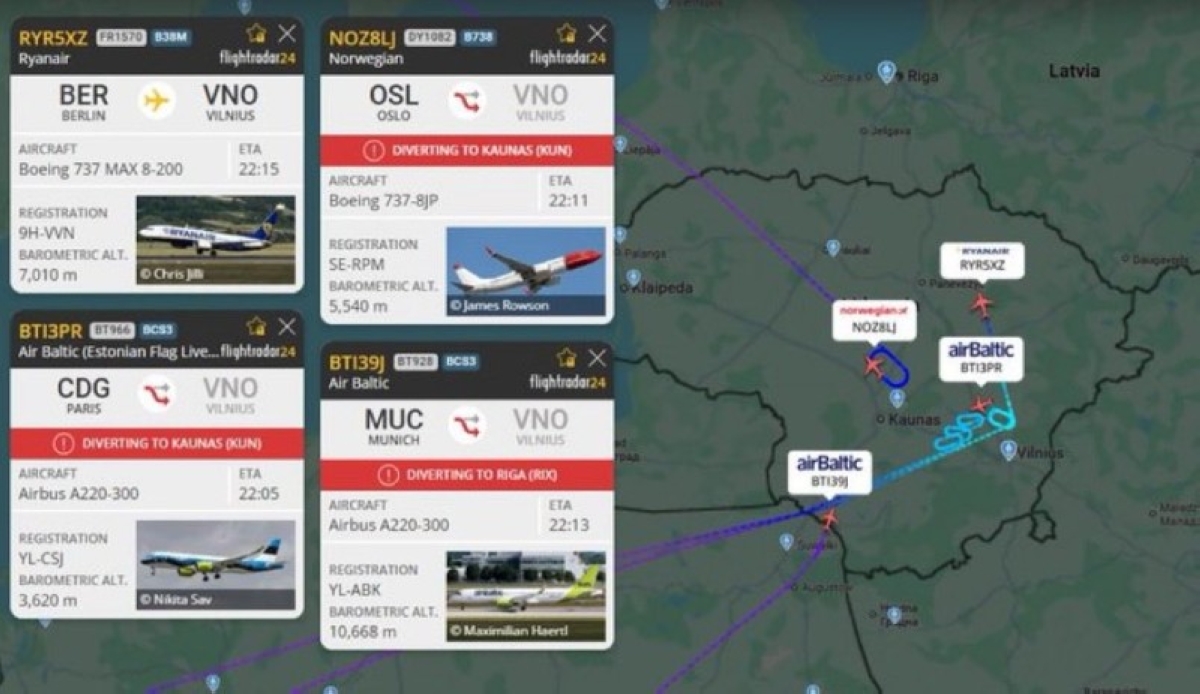
بدأت الواقعة صباح يوم الأحد عندما كشفت الرادارات الليتوانية عن «عشرات البالونات» تقترب من الحدود الشرقية، قادمة من أراضي بيلاروسيا، وفقًا لمركز إدارة الأزمات الوطني، مما أدى لإغلاق فوري وتعطيل حركة الملاحة الجوية لساعات، حيث تم إيقاف الرحلات حتى الساعة 23:40 بتوقيت غرينتش، مع إعادة توجيه الطائرات الواردة إلى مطارات بديلة مثل كاوناس في ليتوانيا أو وارسو في بولندا.
كما أغلقت المعابر الحدودية البرية بالكامل، مع استمرار الإغلاق حتى اجتماع لجنة الأمن القومي الليتوانية يوم الاثنين، لتقييم الإجراءات المستقبلية.
استراتيجية هجينة
وقال الرئيس الليتواني غيتاناس نوسيدا «هذه الانتهاكات المتكررة لمجالنا الجوي ليست مجرد تهريب، بل تهديد لأمننا الوطني وانتهاك صارخ للقانون الدولي»، مشددًا على أن بلاده، كعضو في الناتو والاتحاد الأوروبي، لن تتهاون مع مثل هذه «الأفعال غير المسؤولة».
من جانبها، قالت رئيسة الوزراء إنغا روغينييني: «سنعقد اجتماعًا عاجلاً لاتخاذ إجراءات قاسية ضد المتورطين، بما في ذلك نظام لوكاشينكو الذي يسمح بهذه الممارسات»، وفي خطوة دبلوماسية، استدعت وزارة الخارجية الليتوانية القائم بالأعمال الروسي لتقديم احتجاج رسمي، معتبرة البالونات جزءًا من استراتيجية هجينة مدعومة من مينسك وموسكو.
خسائر اقتصادية
وأكدت التحقيقات الأولية أن البالونات، المحملة بآلاف علب السجائر البيلاروسية غير القانونية، أُطلقت من مواقع متعددة على الحدود، في محاولة للالتفاف على الجمارك الليتوانية حيث تُباع المنتجات المهربة بأسعار أعلى في الاتحاد الأوروبي.
هذه ليست الحادثة الأولى؛ فقد أدت حوادث مشابهة في 5 و21 و24 أكتوبر إلى إغلاق المطار ثلاث مرات، مع إسقاط 25 بالونًا في الحادثة الأخيرة تحمل 18 ألف علبة سجائر، وفقًا لخدمة الحدود الليتوانية. وفي كل مرة، أدى الإغلاق إلى إلغاء عشرات الرحلات وخسائر اقتصادية تصل إلى ملايين اليورو.
تأتي هذه التطورات في سياق توترات متزايدة على الحدود البلطيقية، حيث شهدت المنطقة في يوليو انتهاكات جوية مشتبه بها بطائرات دون طيار روسية قادمة من بيلاروسيا، إحداها محملة بمتفجرات.
In an escalation that raises security concerns in Eastern Europe, Lithuanian authorities announced on Sunday the closure of Vilnius International Airport, the largest airport in the country, along with the complete closure of all border crossings with Belarus, following the entry of several unidentified objects into Lithuanian airspace.
These objects were later identified as likely being helium balloons carrying smuggling cargo, marking the fourth incident of its kind in just the past week, raising fears of a hybrid escalation linking economic smuggling and geopolitical tensions with Russia's allies.
Disruption of Air Navigation
The incident began on Sunday morning when Lithuanian radars detected "dozens of balloons" approaching the eastern border, coming from Belarusian territory, according to the National Crisis Management Center, leading to an immediate closure and disruption of air traffic for hours, as flights were halted until 23:40 GMT, with incoming aircraft redirected to alternative airports such as Kaunas in Lithuania or Warsaw in Poland.
The land border crossings were also completely closed, with the closure continuing until a meeting of the Lithuanian National Security Committee on Monday to assess future measures.
Hybrid Strategy
Lithuanian President Gitanas Nausėda stated, "These repeated violations of our airspace are not just smuggling; they are a threat to our national security and a blatant violation of international law," emphasizing that his country, as a member of NATO and the European Union, would not tolerate such "irresponsible acts."
For her part, Prime Minister Ingrida Šimonytė said, "We will hold an urgent meeting to take harsh measures against those involved, including the Lukashenko regime that allows these practices," and in a diplomatic move, the Lithuanian Foreign Ministry summoned the Russian chargé d'affaires to deliver a formal protest, considering the balloons part of a hybrid strategy supported by Minsk and Moscow.
Economic Losses
Preliminary investigations confirmed that the balloons, loaded with thousands of illegal Belarusian cigarette packs, were launched from multiple sites along the border in an attempt to circumvent Lithuanian customs, where smuggled products are sold at higher prices in the European Union.
This is not the first incident; similar incidents on October 5, 21, and 24 led to the airport's closure three times, with 25 balloons shot down in the latest incident carrying 18,000 cigarette packs, according to the Lithuanian border service. Each time, the closure resulted in the cancellation of dozens of flights and economic losses amounting to millions of euros.
These developments come amid increasing tensions on the Baltic border, where the region witnessed suspected aerial violations by Russian drones coming from Belarus in July, one of which was loaded with explosives.