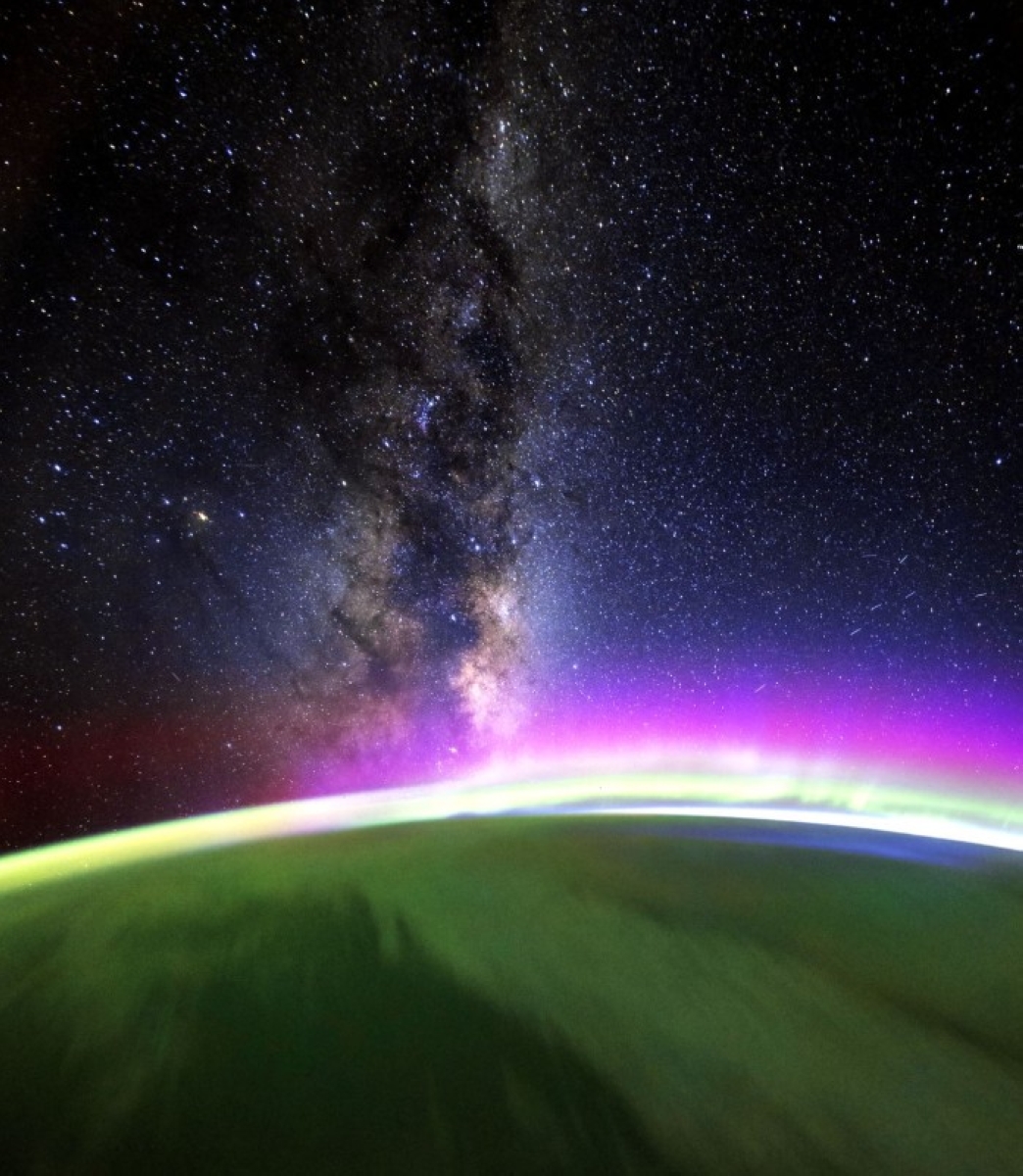
من محطة الفضاء الدولية، التقط رائد تابع لوكالة «ناسا» مشهدًا خلابًا، إذ تلمع أقمار «ستارلينك» الصناعية كاللآلئ في مدارها، بينما يتدفق الشفق القطبي الأخضر تحتها كستارة من الضوء السماوي.
ووَثَّق رائد الفضاء في «ناسا» مرور قطار «ستارلينك» المكوَّن من 6750 قمرًا صناعيًا وسط الشفق القطبي، في مشهدٍ يشبه الحزام الصناعي الذي يطوّق الكوكب.
وقال دون بيتيت، وهو مصوّر محترف، إن الأقمار الصناعية المخصَّصة لتقديم خدمة الإنترنت عالي السرعة ظهرت «واضحة جدًا» رغم وجود الأضواء الطبيعية للشفق، موضحًا أن العديد منها «كان ساطعًا مثل كوكب المشتري، حيث كانت تلمع من ثانية إلى عشر ثوانٍ متواصلة».
ويُعد هذا السطوع مصدرَ قلقٍ لعلماء الفلك، إذ يمكن أن تتداخل هذه الأقمار مع عمليات الرصد الفلكي، خصوصا بعد إطلاقها مباشرة، عندما تظهر في شكل «قطارات» لامعة.
يذكر أن أحدث رحلة فضائية لرائد «ناسا» دون بيتيت انتهت بعد 220 يومًا قضاها في الفضاء، حيث عاد إلى الأرض يوم عيد ميلاده السبعين (20 أبريل) على متن مركبة «سويوز» الروسية التي هبطت في سهول كازاخستان. وبعد عودته، شرع بيتيت في نشر مجموعة من الصور ومقاطع الفيديو التي التقطها خلال مهمته، إذ لم يتسنَّ له مشاركتها أثناء وجوده في المحطة بسبب انشغاله المستمر بالأعمال والبحوث العلمية.
وتشير أحدث البيانات إلى أن شبكة «ستارلينك» التابعة لشركة «سبيس إكس» تضم حاليًا نحو 8600 قمرٍ صناعي نشطٍ في المدار. ورغم أن هذه الأقمار توفّر خدمة إنترنت عالية السرعة للمناطق النائية، فإنها تثير مخاوف علماء الفلك بسبب سطوعها الشديد، خصوصا في مراحل الإطلاق الأولى عندما تظهر في شكل «قطارات» لامعة يمكن رؤيتها بالعين المجرّدة.
From the International Space Station, a NASA astronaut captured a breathtaking scene, as the Starlink satellites shimmer like pearls in their orbit, while the green aurora flows beneath them like a curtain of celestial light.
The NASA astronaut documented the passage of a Starlink train consisting of 6,750 satellites amidst the aurora, in a scene resembling the industrial belt that encircles the planet.
Don Petit, a professional photographer, stated that the satellites designed to provide high-speed internet appeared "very clear" despite the natural lights of the aurora, explaining that many of them "were as bright as Jupiter, shining for one to ten continuous seconds."
This brightness is a concern for astronomers, as these satellites can interfere with astronomical observations, especially right after their launch, when they appear as shining "trains."
It is worth noting that NASA astronaut Don Petit's latest space mission ended after 220 days spent in space, as he returned to Earth on his 70th birthday (April 20) aboard the Russian Soyuz spacecraft that landed in the plains of Kazakhstan. After his return, Petit began sharing a collection of photos and videos he captured during his mission, as he was unable to share them while at the station due to his continuous engagement with work and scientific research.
Recent data indicates that SpaceX's Starlink network currently comprises around 8,600 active satellites in orbit. While these satellites provide high-speed internet service to remote areas, they raise concerns among astronomers due to their intense brightness, especially during the initial launch phases when they appear as shining "trains" visible to the naked eye.