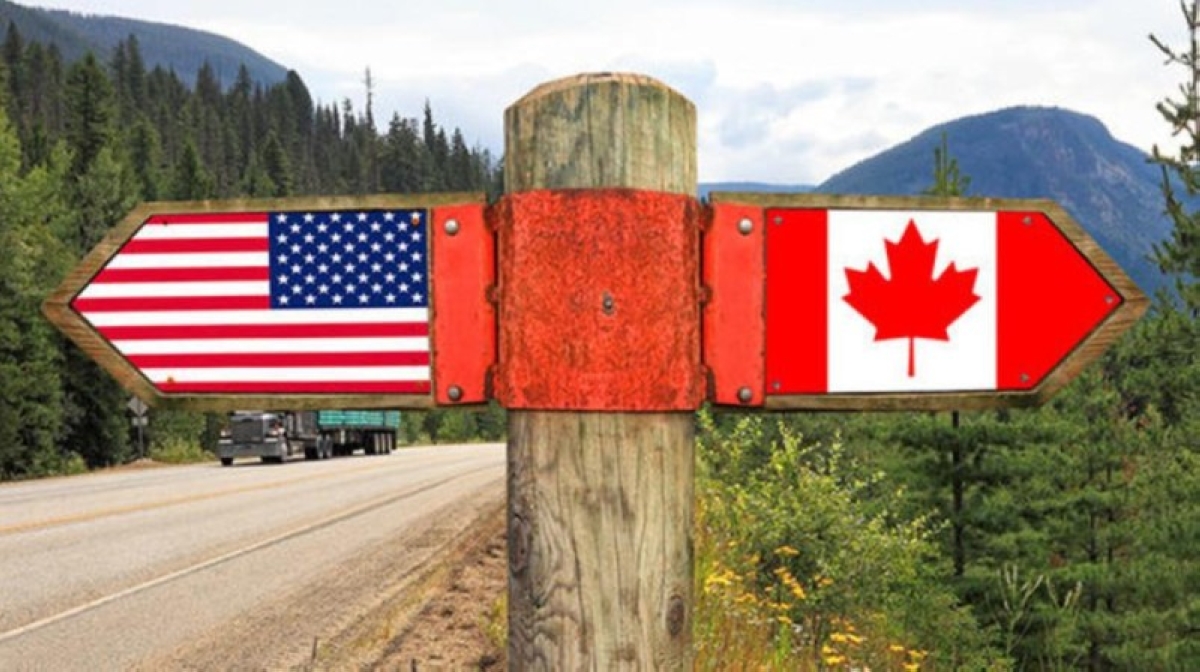
في تصعيد دراماتيكي يعكس حساسية التوترات التجارية الأمريكية-الكندية، أعلن الرئيس الأمريكي دونالد ترمب، الجمعة، إنهاء جميع المفاوضات التجارية مع كندا، متهماً إعلاناً تلفزيونياً كندياً بأنه يحتوي على «بيانات مضللة» حول الرسوم الجمركية الأمريكية.
واستخدم الإعلان، الذي أنتجته حكومة مقاطعة أونتاريو، صوت الرئيس الأمريكي الراحل رونالد ريغان لينتقد التعريفات الجمركية، ما أثار غضب ترمب الذي رأى فيه محاولة للتأثير على المحكمة العليا الأمريكية قبل جلساتها المرتقبة في 5 نوفمبر حول شرعية تعريفاته الشاملة.
وكتب ترمب في منشور على منصة «تروث سوشال» قائلاً: «كندا استخدمت إعلاناً مزيفاً يستخدم صوت رونالد ريغان للحديث سلباً عن التعريفات الجمركية، وهو أمر يهدف إلى التدخل في قرار المحكمة العليا وغيرها من المحاكم، التعريفات مهمة جداً للأمن القومي والاقتصاد الأمريكيين».
وأضاف ترمب أن هذا الإعلان يمثل «سلوكاً فظيعاً»، مشيراً إلى شكوى قدمتها مؤسسة رونالد ريغان الرئاسية، التي وصفت الإعلان بأنه «مضلل» لأنه يقتبس من خطاب ريغان عام 1987 بشكل خارج السياق، إذ كان ريغان يدافع عن تعريفات محدودة على اليابان في الوقت نفسه.
خطّة الحكومة الكندية
ويأتي الإعلان الذي عُرض لأول مرة في 16 أكتوبر، جزءاً من حملة إعلانية بقيمة 75 مليون دولار كندي (حوالى 54 مليون دولار أمريكي) أطلقتها حكومة أونتاريو ليتم عرضها على قنوات أمريكية مثل «فوكس نيوز» و«بلومبيرغ»، إضافة إلى ظهوره أثناء مباريات سلسلة العالم للبيسبول.
ويحتوي الإعلان على مقتطفات من خطاب راديوي لريغان يحذر فيه من أن «التعريفات العالية تؤدي حتمياً إلى ردود فعل من الدول الأجنبية وإشعال حروب تجارية شرسة، ثم يحدث الأسوأ؛ الأسواق تنكمش وتنهار، والشركات تغلق، وملايين يفقدون وظائفهم». وانتهى الإعلان بصورة تلفزيونية كلاسيكية لريغان يقرأ الخطاب، مع شعار «الطريق إلى الازدهار يكمن في العمل معاً».
كندا توقف الإعلان
ورداً على التصعيد، أعلن رئيس وزراء مقاطعة أونتاريو دوغ فورد، أمس (السبت)، أنه سيوقف الحملة الإعلانية اعتباراً من الإثنين القادم، بعد محادثة مع رئيس الوزراء الكندي مارك كارني.
وقال فورد في بيان: «لقد حققنا هدفنا في الوصول إلى الجمهور الأمريكي على أعلى المستويات، وكان هدفنا دائماً إثارة نقاش حول نوع الاقتصاد الذي يريده الأمريكيون وتأثير التعريفات على العمال والأعمال».
وأكد كارني في تصريح قبل توجهه إلى قمة آسيان في ماليزيا أن الحكومة الكندية مستعدة لاستئناف المفاوضات، مشيراً إلى «تقدم كبير» حُقق فيها، لكنه أضاف أن كندا ستضاعف صادراتها إلى دول خارج الولايات المتحدة بسبب «التهديدات» الجمركية.
أزمة التعريفات تتصاعد
وتعود جذور التوتر بين كندا والولايات المتحدة إلى فبراير الماضي، عندما أعلن ترمب فرض تعريفات جمركية شاملة تصل إلى 35% على واردات كندية رئيسية مثل الصلب والألمنيوم والسيارات والخشب والنحاس، مستنداً إلى قانون السلطات الاقتصادية الطارئة الدولية لعام 1977.
ووصف ترمب هذه التعريفات بأنها «يوم التحرير» في 2 أبريل، معتبراً العجز التجاري الأمريكي مع كندا (الذي يتجاوز 70 مليار دولار سنوياً) «تهديداً استثنائياً للأمن القومي والاقتصاد»، وأدت هذه التعريفات إلى رد كندي متبادل، ما أثر على قطاعات أمريكية مثل الزراعة والسيارات، وتسبب في خسائر اقتصادية متبادلة تقدر بنحو 200 مليار دولار حتى الآن.
In a dramatic escalation reflecting the sensitivity of U.S.-Canada trade tensions, U.S. President Donald Trump announced on Friday the termination of all trade negotiations with Canada, accusing a Canadian television ad of containing "misleading statements" about U.S. tariffs.
The ad, produced by the Ontario provincial government, used the voice of the late U.S. President Ronald Reagan to criticize tariffs, which angered Trump, who saw it as an attempt to influence the U.S. Supreme Court ahead of its upcoming sessions on November 5 regarding the legality of his sweeping tariffs.
Trump wrote in a post on the "Truth Social" platform: "Canada used a fake ad using Ronald Reagan's voice to speak negatively about tariffs, which is intended to interfere with the Supreme Court's decision and other courts; tariffs are very important for U.S. national security and the economy."
Trump added that this ad represents "terrible behavior," pointing to a complaint filed by the Ronald Reagan Presidential Foundation, which described the ad as "misleading" because it quotes Reagan's 1987 speech out of context, as Reagan was defending limited tariffs on Japan at the same time.
The Canadian Government's Plan
The announcement, which was first aired on October 16, is part of a $75 million Canadian (about $54 million U.S.) advertising campaign launched by the Ontario government to be shown on American channels like "Fox News" and "Bloomberg," in addition to its appearance during World Series baseball games.
The ad features excerpts from a radio speech by Reagan warning that "high tariffs inevitably lead to reactions from foreign countries and ignite fierce trade wars, and then the worst happens; markets shrink and collapse, businesses close, and millions lose their jobs." The ad concluded with a classic television image of Reagan reading the speech, accompanied by the slogan "The road to prosperity lies in working together."
Canada Halts the Ad
In response to the escalation, Ontario Premier Doug Ford announced yesterday (Saturday) that he would halt the advertising campaign starting next Monday, following a conversation with Canadian Prime Minister Mark Carney.
Ford said in a statement: "We achieved our goal of reaching the American audience at the highest levels, and our aim has always been to spark a discussion about the kind of economy Americans want and the impact of tariffs on workers and businesses."
Carney confirmed in a statement before heading to the ASEAN summit in Malaysia that the Canadian government is ready to resume negotiations, noting "significant progress" that has been made, but added that Canada will double its exports to countries outside the United States due to "tariff threats."
The Tariff Crisis Escalates
The roots of the tension between Canada and the United States date back to last February when Trump announced the imposition of sweeping tariffs of up to 35% on major Canadian imports such as steel, aluminum, cars, wood, and copper, relying on the International Emergency Economic Powers Act of 1977.
Trump described these tariffs as "Liberation Day" on April 2, considering the U.S. trade deficit with Canada (which exceeds $70 billion annually) as an "extraordinary threat to national security and the economy," and these tariffs led to a reciprocal Canadian response, affecting American sectors such as agriculture and automobiles, resulting in estimated mutual economic losses of about $200 billion so far.