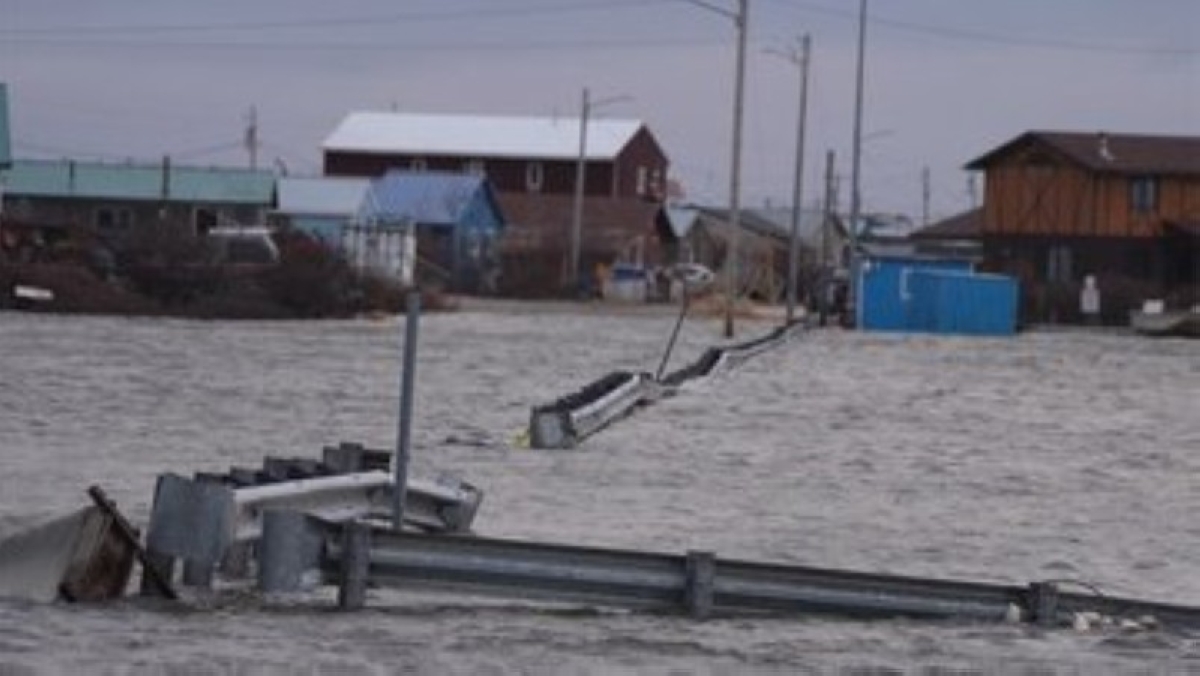
في كارثة طبيعية هزت أرجاء الولاية الشمالية الأمريكية، اجتاحت فيضانات عارمة قرى نائية في غرب ألاسكا، مما أدى إلى نزوح أكثر من 2000 شخص وتدمير واسع النطاق للمنازل والبنية التحتية، في واحدة من أسوأ العواصف التي ضربت المنطقة هذا العام.
وجاءت الفيضانات نتيجة بقايا الإعصار الاستوائي «هالونغ»، الذي ضرب المنطقة بقوة إعصار من الدرجة الثانية، مسببًا ارتفاعًا في مستويات المياه يصل إلى 14.5 قدم في قرية كيبنوك، متجاوزًا الرقم القياسي السابق، وفقًا لقياسات الحكومة الفيدرالية.
إجلاء آلاف السكان
وأسفرت الكارثة عن مقتل شخص واحد على الأقل، وفقدان اثنين آخرين، مع إجلاء آلاف السكان عبر طائرات عسكرية مثل C-17 جلبوماستر، في عمليات إنقاذ وُصفت بأنها من أكبر الإجلاءات الطارئة في تاريخ الولاية.
وأعلن الحاكم مايك دنليفي حالة الطوارئ على المستوى الولائي، وطلب رسميًا من الرئيس دونالد ترمب إعلان «كارثة كبرى» في 16 أكتوبر، لتفعيل موارد فيدرالية إضافية من FEMA، مشيرًا إلى أن الضرر شديد لدرجة أن العديد من النازحين لن يتمكنوا من العودة إلى قراهم لمدة 18 شهرًا على الأقل بسبب الشتاء القارس والجغرافيا النائية.
وكتب دنليفي في الطلب «بسبب الوقت والمسافات والطقس، من غير المحتمل أن يعود الكثيرون إلى مجتمعاتهم هذا الشتاء»، مضيفًا أن الإصلاحات السريعة أولوية، لكن بعض القرى قد لا تكون صالحة للسكن الشتوي في أقسى مناخ أمريكي، ودعم الطلب وفد ألاسكا في الكونغرس، بما في ذلك السناتورين دان ساليفان وليزا موركوسكي، الذين أرسلوا رسالة إلى ترامب يوم الجمعة لتسريع الموافقة، مع إشارة إلى أن الولاية أنفقت أكثر من 300 مليون دولار على 57 كارثة منذ 2018.
ملاجئ مؤقتة
وشهدت عمليات الإنقاذ مشاركة واسعة من الحرس الساحلي الأمريكي والحرس الوطني، الذين أنقذوا مئات من أسطح المنازل المغطاة بالمياه، بينما أقامت الصليب الأحمر ملاجئ مؤقتة في أنكوريج وبتل.
ومع اقتراب الشتاء، يخشى السكان في المناطق المتضررة مثل كيبنوك وكويجيلينجوك من تفاقم الأزمة، حيث دمرت الفيضانات منازل وأسقفتها، وغمرت الشوارع بالحطام، في تذكير مؤلم بتأثير التغير المناخي على المناطق النائية.
وتعد ولاية ألاسكا، التي تعتبر أكبر الولايات الأمريكية من حيث المساحة، من أكثر المناطق عرضة للكوارث الطبيعية بسبب موقعها الجغرافي في المحيط الهادئ والقطب الشمالي، حيث يزداد الإعصار الاستوائي «هالونغ» – الذي تشكل في المحيط الهادئ الغربي – شدة بفعل الاحتباس الحراري، مما يدفع بقاياه شمالًا ليضرب سواحل ألاسكا برياح تصل إلى 100 ميل في الساعة وأمواج عالية.
وتضم المناطق المتضررة، مثل دلتا يوكون-كوسكوكويم، تضم قرى يوكوبية وإنجماويت نائية تعتمد على الصيد والزراعة التقليدية، وتعاني من ارتفاع مستوى سطح البحر بنسبة 2-3 أضعاف المتوسط العالمي بسبب ذوبان الجليد القطبي، وفقًا لتقارير الأمم المتحدة.
ومنذ 2018، أعلنت ألاسكا 57 كارثة وطنية، 14 منها حصلت على مساعدات فيدرالية، مع إنفاق يتجاوز 300 مليون دولار، وفقًا لتقارير الحاكم دنليفي.
In a natural disaster that shook the northern state of the United States, severe flooding swept through remote villages in western Alaska, resulting in the displacement of more than 2,000 people and widespread destruction of homes and infrastructure, in one of the worst storms to hit the region this year.
The flooding was a result of the remnants of tropical storm "Hurricane Halong," which struck the area with the force of a Category 2 hurricane, causing water levels to rise up to 14.5 feet in the village of Kipnuk, surpassing the previous record, according to measurements from the federal government.
Evacuation of Thousands of Residents
The disaster resulted in at least one death and two others missing, with thousands of residents evacuated via military aircraft such as the C-17 Globemaster, in rescue operations described as one of the largest emergency evacuations in the state's history.
Governor Mike Dunleavy declared a state of emergency and formally requested President Donald Trump to declare a "major disaster" on October 16, to activate additional federal resources from FEMA, noting that the damage is so severe that many evacuees will not be able to return to their villages for at least 18 months due to the harsh winter and remote geography.
Dunleavy wrote in the request, "Due to time, distances, and weather, it is unlikely that many will return to their communities this winter," adding that rapid repairs are a priority, but some villages may not be habitable for winter in the harshest American climate. The request was supported by Alaska's congressional delegation, including Senators Dan Sullivan and Lisa Murkowski, who sent a letter to Trump on Friday to expedite approval, noting that the state has spent over $300 million on 57 disasters since 2018.
Temporary Shelters
The rescue operations saw extensive participation from the U.S. Coast Guard and National Guard, who rescued hundreds from rooftops covered in water, while the Red Cross set up temporary shelters in Anchorage and Bethel.
As winter approaches, residents in affected areas like Kipnuk and Kwigillingok fear the crisis will worsen, as the floods have destroyed homes and roofs, flooding streets with debris, serving as a painful reminder of the impact of climate change on remote areas.
Alaska, the largest state in the U.S. by area, is one of the most disaster-prone regions due to its geographical location in the Pacific and Arctic, where tropical storm "Halong" – which formed in the western Pacific – is intensified by global warming, pushing its remnants northward to strike Alaska's shores with winds reaching 100 miles per hour and high waves.
The affected areas, such as the Yukon-Kuskokwim Delta, include remote Yupik and Inupiat villages that rely on traditional fishing and agriculture, suffering from sea level rise of 2-3 times the global average due to polar ice melt, according to United Nations reports.
Since 2018, Alaska has declared 57 national disasters, 14 of which received federal assistance, with expenditures exceeding $300 million, according to reports from Governor Dunleavy.