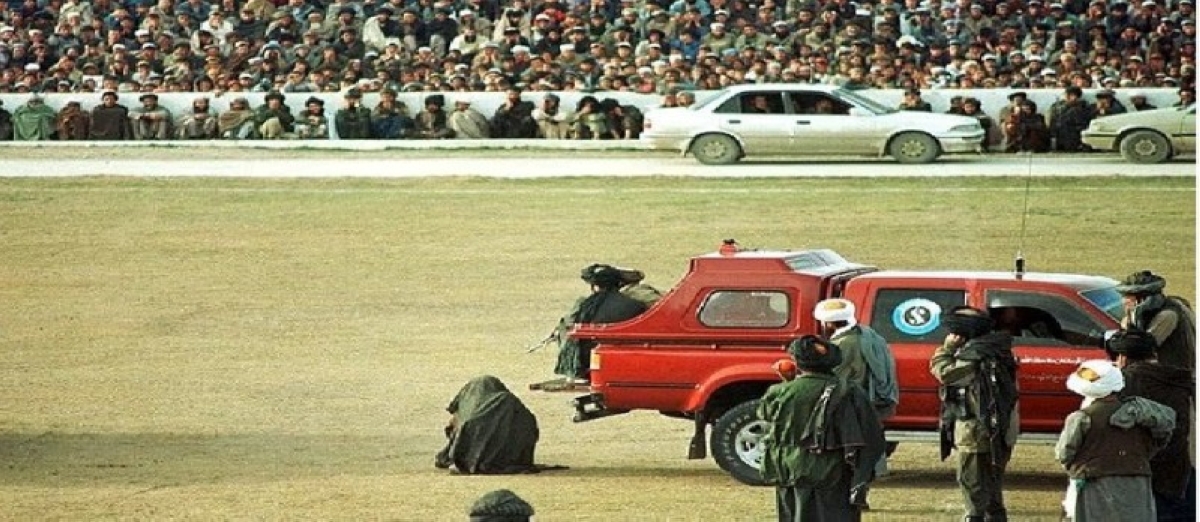
في مشهد أثار ذهولًا داخل أفغانستان وغضبًا في الأوساط الحقوقية الدولية، نفذت حركة طالبان إعدامًا علنيًا لرجل أُدين بقتل رجل وزوجته الحامل في شهرها الثامن، وذلك أمام آلاف المتفرجين في ملعب رياضي بمدينة قلعة ناو، مركز ولاية بادغيس شمال غرب البلاد.
ووفق بيان المحكمة العليا التابعة لطالبان، فإن الحكم صدر بعد مراجعة القضية من قبل ثلاث محاكم شرعية، قبل أن يوقع عليه الزعيم الأعلى للحركة هبة الله آخند زاده. وقد مُنحت عائلة الضحايا فرصة العفو عن القاتل لكنها رفضت، وقررت تنفيذ حكم القصاص بنفسها. وأطلق أحد أقرباء الضحيتين ثلاث رصاصات قاتلة على الجاني وسط هتافات ومتابعة جماهيرية حاشدة.
محاكمة سريعة وقصاص علني
أوضحت السلطات المحلية أن الجريمة وقعت عندما أقدم المتهم على قتل رجل وزوجته الحامل، وهو ما أثار غضبًا واسعًا داخل المجتمع المحلي. وبعد أسابيع من الإجراءات القضائية التي خضعت لرقابة طالبان، تقرر تنفيذ الحكم في ملعب رياضي حضره آلاف المواطنين، في تكرار لمشاهد الإعدامات العلنية التي كانت سائدة خلال حكم طالبان الأول بين عامي 1996 و2001.
كما أكدت مصادر محلية أن السلطات نشرت دعوات رسمية عبر القرى والمدن المجاورة تدعو السكان لحضور الإعدام، في استعراض واضح لسياسة الردع.
وجاءت ردود الفعل الدولية سريعة، إذ أعرب مكتب حقوق الإنسان التابع للأمم المتحدة عن إدانته الشديدة، واعتبر أن هذه الإعدامات العلنية تمثل انتهاكًا صارخًا للمعايير الدولية. وطالبت الأمم المتحدة طالبان بفرض وقف فوري لعقوبة الإعدام ووقف جميع أشكال العقاب البدني.
أما منظمة العفو الدولية، فوصفت النظام القضائي لطالبان بأنه «يفتقر إلى معايير المحاكمة العادلة»، مؤكدة أن هذه الممارسات تزيد من عزلة أفغانستان عن العالم. وتُعد هذه الإعدامات الحالة الـ 11 منذ عودة الحركة إلى الحكم عام 2021، بحسب إحصاءات وكالات الأنباء.
In a scene that shocked Afghanistan and provoked outrage in international human rights circles, the Taliban carried out a public execution of a man convicted of killing a man and his pregnant wife in her eighth month, in front of thousands of spectators at a sports stadium in Qala-i-Naw, the capital of Badghis province in the northwest of the country.
According to a statement from the Taliban's Supreme Court, the sentence was issued after the case was reviewed by three Sharia courts, before being signed by the movement's supreme leader, Hibatullah Akhundzada. The victims' family was given the opportunity to pardon the killer but refused, deciding to carry out the retribution themselves. A relative of the victims fired three fatal shots at the perpetrator amid chants and a large public following.
Swift Trial and Public Retribution
Local authorities clarified that the crime occurred when the accused killed a man and his pregnant wife, which sparked widespread anger within the local community. After weeks of judicial proceedings monitored by the Taliban, it was decided to carry out the sentence in a sports stadium attended by thousands of citizens, echoing scenes of public executions that were prevalent during the Taliban's first rule from 1996 to 2001.
Local sources also confirmed that the authorities issued official invitations through neighboring villages and towns, calling on residents to attend the execution, in a clear display of deterrence policy.
International reactions were swift, with the United Nations Human Rights Office expressing its strong condemnation, stating that these public executions represent a blatant violation of international standards. The UN called on the Taliban to impose an immediate moratorium on the death penalty and to halt all forms of corporal punishment.
Amnesty International described the Taliban's judicial system as "lacking fair trial standards," emphasizing that these practices increase Afghanistan's isolation from the world. These executions mark the 11th case since the movement returned to power in 2021, according to news agency statistics.