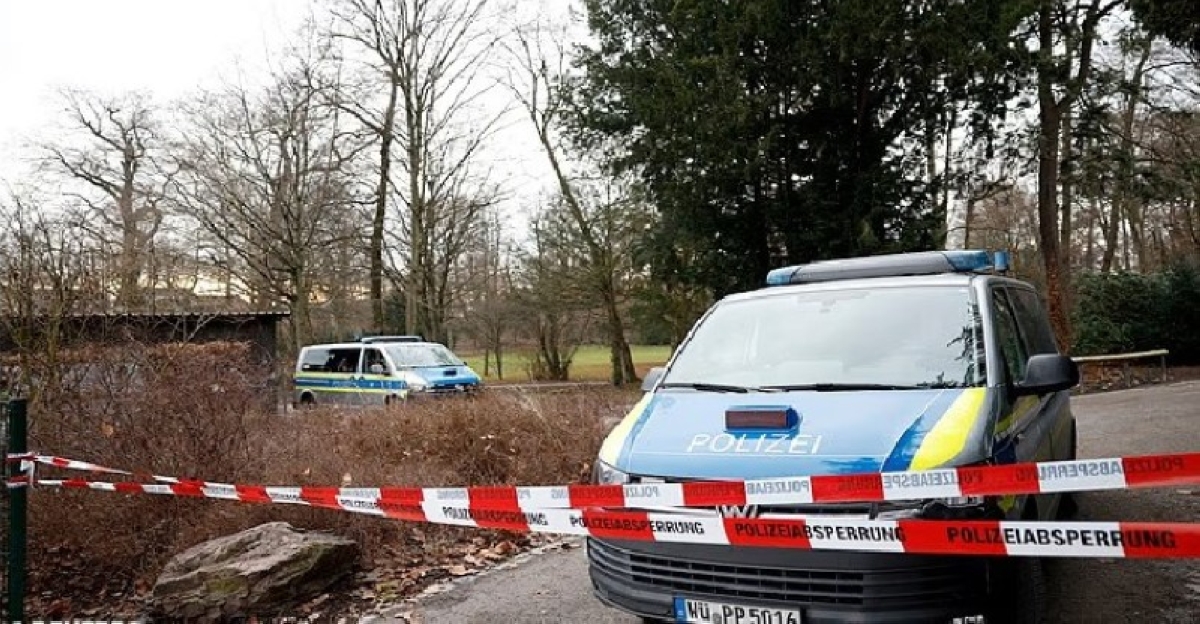
في حادثة صادمة هزت مدينة أشافنبورغ جنوب ألمانيا، شن رجل أفغاني هجوما عنيفا بسكين على مجموعة من الأطفال الصغار، مما أدى إلى مقتل طفل يبلغ من العمر عامين ورجل في الأربعينيات حاول حماية الأطفال، بالإضافة إلى إصابة آخرين. الهجوم الذي وقع في يناير الماضي لا يزال يثير صدمة المجتمع الألماني ويشعل جدلا حادا حول سياسات الهجرة والأمن. يعاني المهاجم (28 عاما) من اضطراب نفسي خطير يعرف بالفصام البارانويدي، حسبما أكد المحققون. وبالرغم من أن الحادثة وقعت في وقت حساس قبل الانتخابات الوطنية، إلا أن المحاكمات جارية الآن وسط إجراءات قانونية تحاول تحقيق العدالة ومعالجة أسباب الجريمة النفسية.
تفاصيل الجريمة والمحاكمة
وقع الهجوم في 22 يناير 2025 عندما كان خمسة أطفال من صف رياض أطفال ترافقهم معلمتان في حديقة عامة. واقتحم المهاجم المكان وهو يحمل سكين مطبخ، وبدأ بطعن الأطفال دون تمييز، مما أدى إلى مقتل الطفل يانيس البالغ عامين، بينما تعرضت طفلة سورية أخرى لإصابات خطيرة، كما قتل الرجل البالغ 41 عاما الذي تصدى له وحاول صد الهجوم. إضافة إلى إصابة أحد المعلمين ورجل مسن يبلغ من العمر 72 عاما حاول أيضا حماية المجموعة.
**media«2599934»**
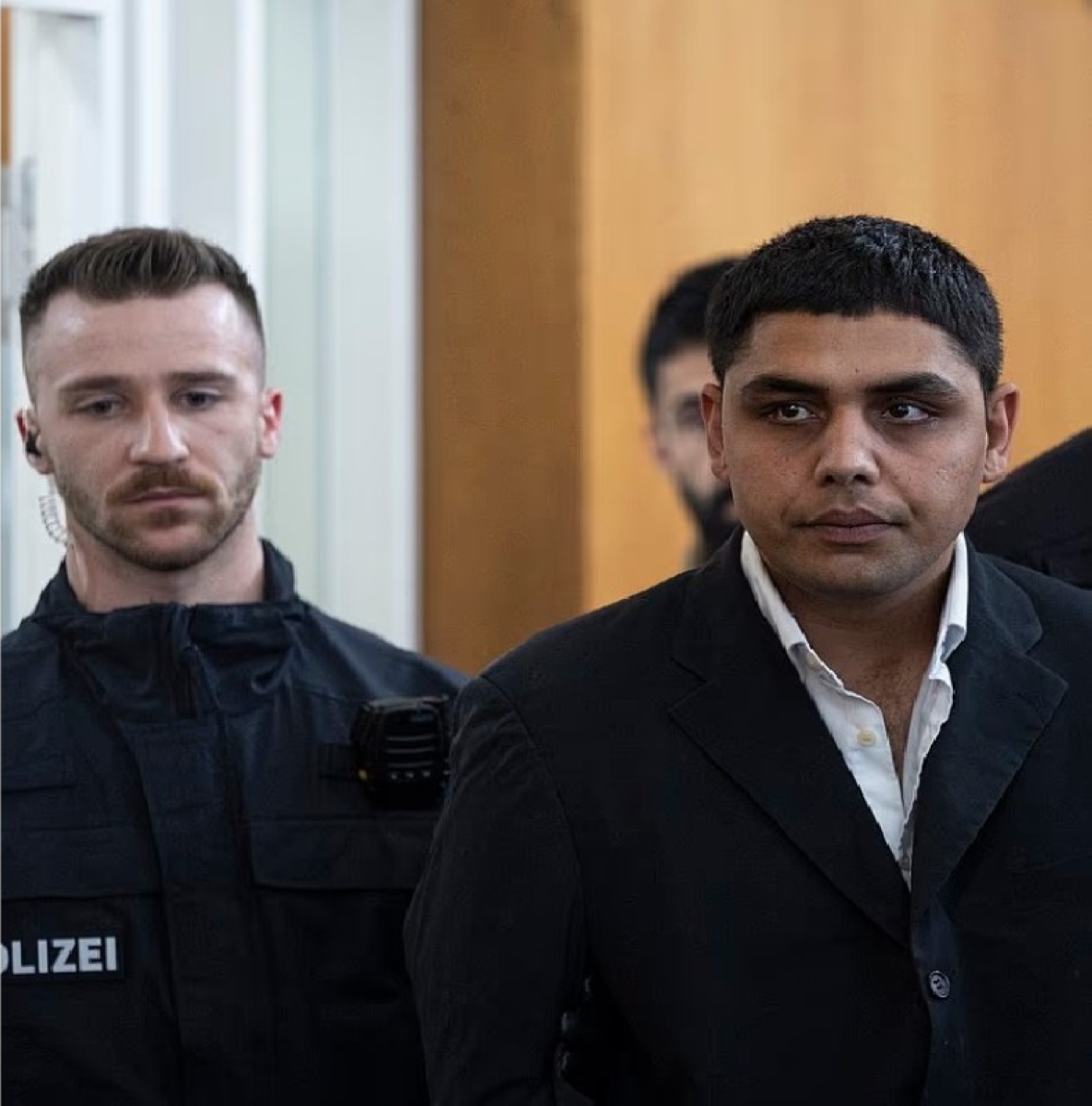
وخلال المحاكمة، ظهر المتهم مقيدا باليدين والقدمين، وكان يعاني من نوبات هلوسة وأوهام، بحسب محاميه، الذي وصف الحادثة بأنها «عمل مجنون» ناجم عن المرض النفسي. وتسعى النيابة العامة إلى إيداعه في مصحة نفسية بشكل دائم، معتبرة أن المتهم غير مسؤول كليا عن أفعاله نتيجة وضعه العقلي.
تداعيات سياسية وأمنية
دفعت الحادثة ألمانيا إلى نقاشات حادة حول موضوع الهجرة واللجوء، خصوصا أن السلطات الألمانية حاولت سابقا ترحيل المهاجم إلى بلغاريا، الدولة الأولى التي دخل عبرها الاتحاد الأوروبي، لكن المحاولة فشلت. وفي أعقاب الهجوم، تعهد زعيم الحزب الديمقراطي المسيحي فريدريش ميرز بإجراء إصلاحات جذرية على قوانين اللجوء وتعزيز الإجراءات الأمنية، مستندا إلى دعم حزب البديل اليميني المتطرف، وهو ما أثار موجة من الانتقادات والاحتجاجات في الشوارع. وتستمر محاكمة المهاجم وسط ترقب شعبي كبير، في ظل مخاوف متزايدة من تأثير القضايا النفسية والهجرة غير المضبوطة على الأمن العام في ألمانيا.
In a shocking incident that shook the city of Aschaffenburg in southern Germany, an Afghan man launched a violent knife attack on a group of young children, resulting in the death of a two-year-old boy and a man in his forties who tried to protect the children, in addition to injuring others. The attack, which occurred last January, continues to provoke shock within the German community and ignites a heated debate over immigration and security policies. The attacker, aged 28, suffers from a severe mental disorder known as paranoid schizophrenia, as confirmed by investigators. Although the incident took place at a sensitive time before the national elections, trials are currently underway amid legal proceedings aimed at achieving justice and addressing the causes of the psychological crime.
Details of the Crime and Trial
The attack occurred on January 22, 2025, when five children from a kindergarten class were accompanied by two teachers in a public park. The attacker stormed the area wielding a kitchen knife and began stabbing the children indiscriminately, resulting in the death of two-year-old Yanis, while another Syrian girl sustained serious injuries. The 41-year-old man who confronted him and attempted to fend off the attack was also killed, along with one of the teachers and a 72-year-old man who also tried to protect the group.
**media«2599934»**
During the trial, the accused appeared handcuffed and shackled, suffering from episodes of hallucinations and delusions, according to his lawyer, who described the incident as a "mad act" resulting from mental illness. The public prosecutor's office seeks to commit him to a psychiatric facility permanently, considering that the accused is entirely irresponsible for his actions due to his mental state.
Political and Security Implications
The incident has prompted Germany to engage in intense discussions regarding immigration and asylum, especially since German authorities previously attempted to deport the attacker to Bulgaria, the first country he entered through the European Union, but the attempt failed. In the aftermath of the attack, Christian Democratic Union leader Friedrich Merz pledged to implement radical reforms to asylum laws and enhance security measures, relying on support from the far-right Alternative for Germany party, which sparked a wave of criticism and protests in the streets. The trial of the attacker continues amid significant public anticipation, with growing concerns about the impact of mental health issues and uncontrolled immigration on public security in Germany.