شهدت لندن ارتفاعًا غير مسبوق في عدد هواتف المحمول المسروقة، حيث بلغ عدد الهواتف المسروقة العام الماضي نحو 80,000 هاتف، ما جعل العاصمة البريطانية واحدة من أكثر المدن الأوروبية تأثرًا بهذه الظاهرة. ولم تعد سرقة الهواتف ظاهرة بسيطة تعتمد على لصوص من الدرجة الثانية، بل تحولت إلى شبكة إجرامية معقدة تدير عملياتها بين لندن وأسواق دولية، لا سيما في الصين وإفريقيا.
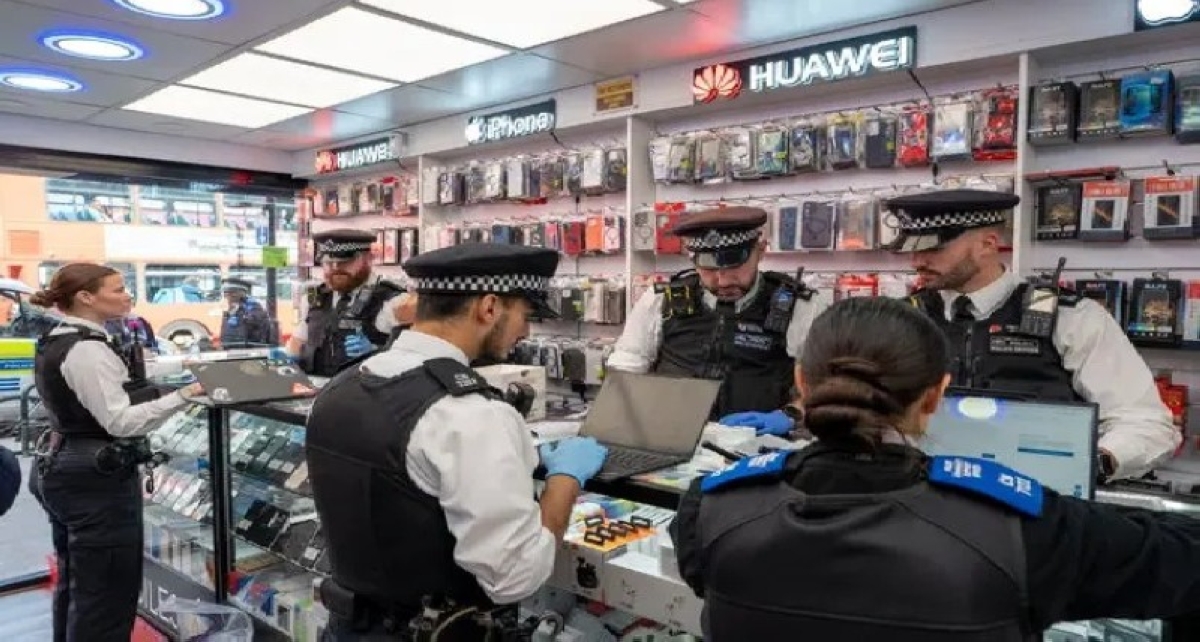
وفي حملة مداهمات نفذتها شرطة العاصمة الشهر الماضي، جرى اقتحام عدة متاجر لبيع الهواتف المستعملة في شمال لندن، حيث عثرت الشرطة على نحو 2000 هاتف مسروق و200 ألف جنيه إسترليني نقدًا. وتبين أن هذه المتاجر تلعب دورًا محوريًا كوسطاء في شبكة إجرامية متعددة المستويات. ويستخدم اللصوص في تنفيذ عملياتهم دراجات كهربائية عالية السرعة، ويعمدون إلى إخفاء هويتهم عبر ارتداء أقنعة وسترات، مما يصعب ملاحقتهم وسط زحمة الشوارع.
بالإضافة إلى ذلك، يعتمد مهربو الهواتف على تغليف الأجهزة بأوراق الألمنيوم لمنع إرسال إشارات تحديد الموقع، مما يعقد مهمة تتبعها من قبل الشرطة. وتُشحن الأجهزة المسروقة في صناديق إلى دول مثل الصين، حيث يمكن بيعها بأسعار تدر أرباحًا طائلة على الشبكة الإجرامية.
تقليص الميزانية سبب ضعف الشرطة
تتزامن هذه الجرائم مع تداعيات تقليص ميزانيات الشرطة البريطانية في العقد الماضي، إذ أدت تلك الخطوات إلى تقليل عدد ضباط الشرطة وتركيزهم على الجرائم الكبرى، مما ترك سرقة الهواتف عرضة للإهمال. كما أشار قادة في الشرطة البريطانية إلى أن هذه السرقة تُعد أقل خطورة مقارنة بجرائم أخرى، وهو ما شجع اللصوص على التمادي، خصوصًا مع سهولة البيع وتحقيق أرباح كبيرة.
وعلى الرغم من ارتفاع عدد حالات سرقة الهواتف المسجلة، فإن نسبة الاعتقالات منخفضة جدًا، حيث تم توجيه تهم أو إصدار تحذيرات فقط لـ 495 شخصًا من أصل أكثر من 106,000 هاتف مسروق خلال عام واحد. وهذا يعكس التحدي الكبير في ملاحقة الجناة في بيئة حضرية مزدحمة ومعقدة.
وتعمل الشرطة البريطانية الآن على تفكيك هذه الشبكات الإجرامية بشكل منهجي، مع تعزيز وعي السكان والزوار حول حماية أجهزتهم الشخصية، حيث غالبًا ما يكون المستخدمون مشتتين وهم يسيرون في الشوارع، مما يجعل هواتفهم هدفًا سهلاً للصوص الذين يستغلون هذه اللحظات.
London has witnessed an unprecedented rise in the number of stolen mobile phones, with around 80,000 phones stolen last year, making the British capital one of the most affected cities in Europe by this phenomenon. Phone theft is no longer a simple issue relying on second-rate thieves; it has turned into a complex criminal network operating between London and international markets, particularly in China and Africa.
In a series of raids carried out by the capital's police last month, several stores selling used phones in North London were stormed, where police found about 2,000 stolen phones and £200,000 in cash. It became clear that these stores play a pivotal role as intermediaries in a multi-tiered criminal network. Thieves use high-speed electric bikes to carry out their operations and conceal their identities by wearing masks and jackets, making it difficult to pursue them amid the crowded streets.
Additionally, phone traffickers rely on wrapping devices in aluminum foil to prevent location signals from being sent, complicating the task of tracking them by the police. Stolen devices are shipped in boxes to countries like China, where they can be sold at prices that yield huge profits for the criminal network.
Budget Cuts as a Cause of Police Weakness
These crimes coincide with the repercussions of budget cuts to the British police over the past decade, as these measures have led to a reduction in the number of police officers and a focus on major crimes, leaving phone theft vulnerable to neglect. British police leaders have noted that this theft is considered less serious compared to other crimes, which has encouraged thieves to become bolder, especially with the ease of selling and making significant profits.
Despite the rise in recorded phone theft cases, the arrest rate is very low, with charges or warnings issued to only 495 individuals out of more than 106,000 stolen phones within a year. This reflects the significant challenge of pursuing offenders in a crowded and complex urban environment.
The British police are now working systematically to dismantle these criminal networks, while also raising awareness among residents and visitors about protecting their personal devices, as users are often distracted while walking in the streets, making their phones an easy target for thieves who exploit these moments.