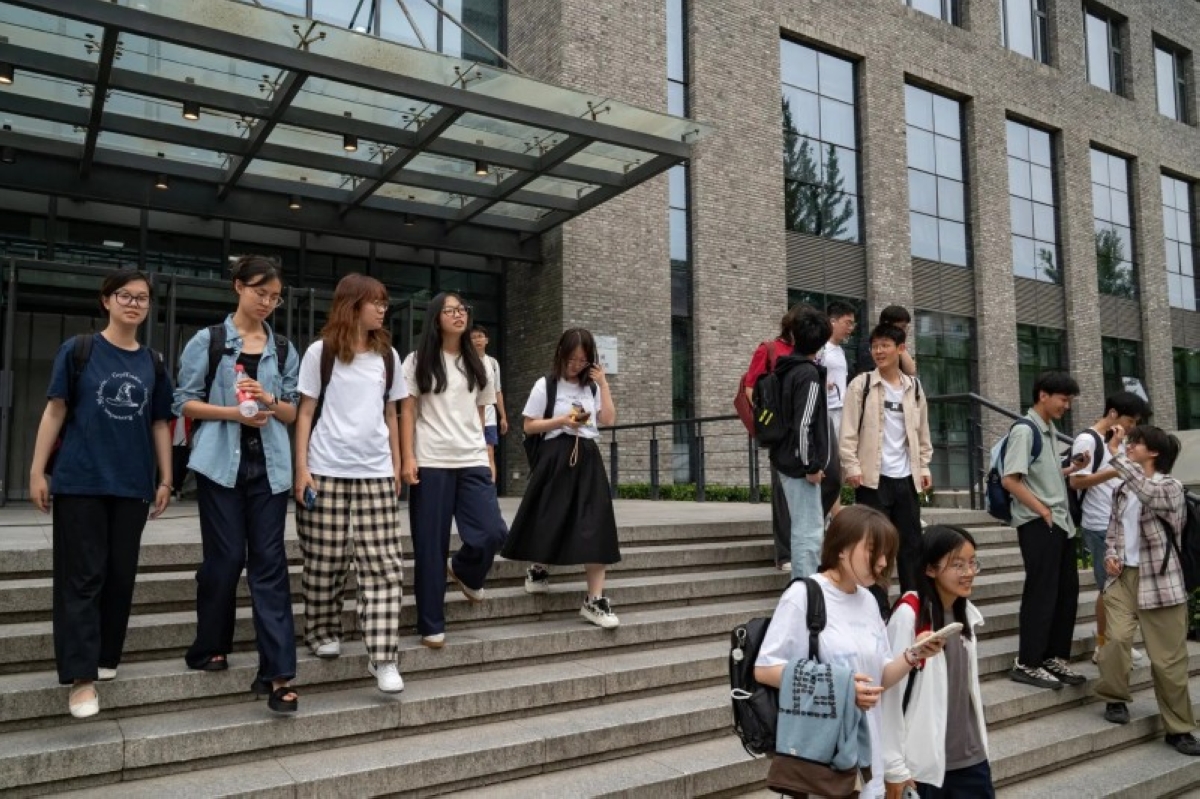
في خطوة تهدف لتعزيز مكانة الصين كقوة علمية عالمية، أطلقت الحكومة الصينية في الأول من أكتوبر 2025 تأشيرة جديدة لجذب خريجي العلوم والتكنولوجيا من جميع أنحاء العالم، لكن المفاجأة كانت رد الفعل الغاضب الذي شهدته منصات التواصل الاجتماعي داخل البلاد، حيث اعتبر كثير من الصينيين هذه الخطوة خطأً فادحاً، وسط مخاوف من أن تسرق المواهب الأجنبية فرص العمل من الشباب الصيني المتعثر في إيجاد وظائف.
وشكّلت هذه التأشيرة الجديدة نقطة اشتعال لموجة من الانتقادات القومية المتطرفة وأحيانًا العنصرية، إذ اتهم ناشطون بارزون ومنهم رئيس مركز الصين والعولمة هنري هويياو وانغ بالخيانة العرقية بعد تأييده للسياسة الجديدة. وقد تركزت معظم التعليقات العنصرية ضد الهنود، خصوصاً بعد أن نقلت وسائل إعلام هندية أن التأشيرة الصينية قد تكون بديلًا أرخص عن تأشيرة H-1B الأمريكية الشهيرة.
الصحافة الحكومية تدخل المعركة
مع تصاعد موجة الغضب والانتقادات، تدخلت الصحافة الرسمية للحزب الشيوعي الصيني للدفاع عن التأشيرة الجديدة. ونشرت صحيفة الشعب اليومية الناطقة باسم الحزب مقالًا يدعو إلى اعتبار الانتقادات «غير منطقية» واتهام المعارضين بنشر معلومات مضللة.
كما دافع رئيس التحرير السابق لصحيفة «غلوبال تايمز» ذات التوجه الوطني خو شجين عن السياسة الجديدة، مشيرًا إلى أن عدد الأجانب في الصين أقل بكثير منه في دول مجاورة مثل اليابان وكوريا الجنوبية.
لكن مع ذلك، تظل الأصوات المناهضة للسياسة قائمة بقوة، في بلد يعاني فيه الشباب من تراجع فرص العمل وسط تحديات اقتصادية متزايدة، مما يعكس حالة التوتر بين الرغبة في الانفتاح العلمي والحفاظ على الوظائف الوطنية.
In a move aimed at enhancing China's position as a global scientific power, the Chinese government launched a new visa on October 1, 2025, to attract graduates in science and technology from around the world. However, the surprise came with the angry reaction witnessed on social media platforms within the country, as many Chinese citizens considered this step a grave mistake, amid fears that foreign talents would steal job opportunities from young Chinese struggling to find employment.
This new visa has sparked a wave of extreme nationalist and sometimes racist criticism, as prominent activists, including the head of the China Center for International Economic Exchanges, Henry Wang, were accused of ethnic betrayal after supporting the new policy. Most of the racist comments were directed against Indians, especially after Indian media reported that the Chinese visa could be a cheaper alternative to the famous U.S. H-1B visa.
State Media Joins the Battle
As the wave of anger and criticism escalated, the official media of the Chinese Communist Party intervened to defend the new visa. The People's Daily, the party's official newspaper, published an article calling the criticisms "illogical" and accusing opponents of spreading misinformation.
The former editor-in-chief of the nationalist-oriented Global Times, Hu Xijin, also defended the new policy, pointing out that the number of foreigners in China is much lower than in neighboring countries like Japan and South Korea.
Nevertheless, anti-policy voices remain strong in a country where young people are facing declining job opportunities amid increasing economic challenges, reflecting the tension between the desire for scientific openness and the need to preserve national jobs.