فيما لا تزال لعنة فايروسات كورونا مستمرة مع اكتشاف سلالات جديدة متحورة من (كوفيد ١٩)، أثار خبير بريطاني بارز القلق لدى الملايين من المدخنين حول العالم باحتمال ارتفاع خطر إصابتهم بكورونا من نوع «طويل الأمد»، لافتاً إلى أنه في الأسبوع الماضي حث الخبراء الناس على ارتداء الكمامات والعزل إذا أصيبوا بالفايروس، مع انتشار السلالتين الجديدتين «نيمبوس» و«ستراتوس» في المملكة المتحدة.
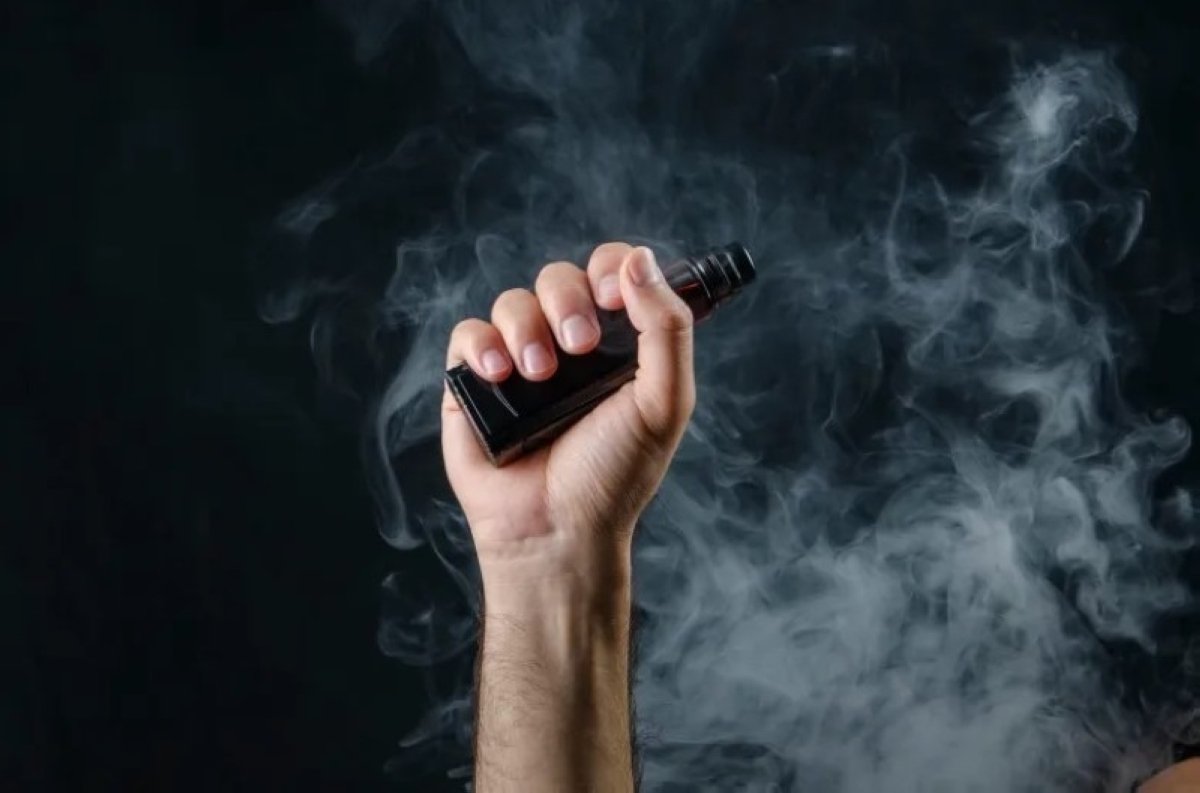
وأكد الخبير في علوم الأحياء بجامعة دبلن سيتي البروفيسور كيث روشفورت، في تصريحات نقلها موقع «ذا كونفرسيشن» أن ما يثير القلق هو أن الأشخاص الذين يستخدمون «الفيب» أثناء مرضهم أو تعافيهم من الإصابة بالفايروس، قد يعرِّضون صحتهم على المدى الطويل لخطر كبير.
وأوضح الخبير أن النسيج نفسه الذي يسمح للأكسجين بالمرور من الهواء إلى الدم هو نسيج هش بشكل ملحوظ، والعادات مثل التدخين الإلكتروني يمكن أن تُضعفه تماماً عندما تكون الحاجة إلى الحماية في أشدها، مضيفاً: «التدخين الإلكتروني يهيج بطانة الأوعية الدموية، بينما يغمر «كوفيد» الرئتين بجزيئات تسبب الالتهاب، وحينها تصبح الشعيرات الدموية مسرِّبة، ويتسرَّب السائل إلى الحويصلات الهوائية، فيجد الأكسجين صعوبة في عبور الحاجز بين الدم والهواء».
التدخين يعيق عملية التعافي وأوضح الخبير أن التدخين الإلكتروني يمكن أن يعيق عملية التعافي بعد الإصابة بـ«كوفيد»، إذ يتطلب شفاء السطح الرقيق الذي يتم من خلاله تبادل الغازات كل الدعم الممكن للرئتين، مشيراً إلى أن «التدخين الإلكتروني يضيف ضغطاً على الأنسجة التي تَسبب الفايروس بالفعل ضرراً لها، حتى لو لم يشعر المدخن الإلكتروني بأي أعراض فورية، والنتيجة قد تكون ضيق تنفس مستمراً، وتعباً مزمناً، وتأخراً في العودة إلى مستويات النشاط التي كان عليها قبل المرض».
ولفت إلى أن السبب يعود إلى الضغط الذي يمارسه التدخين الإلكتروني على طبقة رقيقة جداً من الرئتين، تعرف طبياً بحاجز الدم والهواء، وهذا الحاجز ضروري لوظائف الرئة، كما أن هذه الطبقة يجب أن تبقى قوية ومرنة للتنفس الصحي، لكنها تتعرَّض باستمرار للضغط من تلوث الهواء، والجزيئات الصغيرة، والالتهابات.
وقال روشفورت: «تظل هذه الطبقة متماسكة تحت الضغط العادي، لكنها قد تتمزَّق عندما تتعرَّض لضغط زائد، والتدخين الإلكتروني يُضعف هذا النسيج قبل حدوث المرض، ما يجعل التغلب على عدوى مثل «كوفيد» أكثر صعوبة»، محذراً: «تشير الدراسات إلى أن التدخين الإلكتروني يمكن أن يعطل هذه الدفاعات، ما يسبب خللاً في وظيفة البطانة حتى لدى الشباب الأصحاء».
دراسة تؤكد نظرية الطبيب يُذكر أن دراسة أجريت عام 2018 أفادت بأن الأشخاص الذين لم يدخنوا قط واستخدموا السجائر الإلكترونية لديهم مستويات مرتفعة من جزيئات دقيقة للبطانة (EMPs)، قد تشير إلى خلل في وظيفة البطانة.
ويربط بحث البروفيسور روشفورت هذه التغيرات بارتفاع في علامات الالتهاب وضغط الدم بعد التعرُّض للتدخين الإلكتروني، قائلاً: «تشير هذه النتائج مجتمعة إلى أن البطانة تكافح للحفاظ على دورها الوقائي».
وأظهرت دراسات مخبرية أخرى أن رذاذ التدخين الإلكتروني، حتى دون النيكوتين، يمكن أن يؤثر على هذه الخلايا، ما يصعِّب مكافحة العدوى التنفسية.
وفي ضوء ذلك قال البروفيسور روشفورت: «العلم ما زال يتطور، لكن الرسالة واضحة: التدخين الإلكتروني يضر بصحة الأوعية الدموية».
وأضاف: «الإقلاع -حتى مؤقتاً- يمنح الرئتين والأوعية الدموية بيئة أنظف تحتاجها للشفاء ولجعل كل نفس أمراً سهلاً».
«لعنة كوفيد» تطاردهم.. خبير محذراً المدخنين: صحتكم في خطر!
14 أكتوبر 2025 - 04:18
|
آخر تحديث 14 أكتوبر 2025 - 04:18


تابع قناة عكاظ على الواتساب
«عكاظ» (جدة)
While the curse of coronavirus variants continues with the discovery of new mutated strains of COVID-19, a prominent British expert has raised concerns among millions of smokers worldwide about the potential increased risk of developing long-term COVID. He pointed out that last week experts urged people to wear masks and isolate if they contracted the virus, as the new strains "Nimbus" and "Stratus" spread in the United Kingdom.
Professor Keith Rochefort, a biologist at Dublin City University, confirmed in statements reported by The Conversation that what is concerning is that individuals who use vaping devices while ill or recovering from the virus may expose their long-term health to significant risks.
The expert explained that the very tissue that allows oxygen to pass from the air into the blood is remarkably fragile, and habits like vaping can completely weaken it when the need for protection is at its highest. He added, "Vaping irritates the lining of blood vessels, while COVID floods the lungs with particles that cause inflammation, making the capillaries leaky, allowing fluid to seep into the alveoli, making it difficult for oxygen to cross the barrier between blood and air."
Vaping hinders recovery The expert clarified that vaping can hinder the recovery process after contracting COVID, as healing the delicate surface through which gas exchange occurs requires all possible support for the lungs. He noted that "vaping adds stress to tissues that the virus has already harmed, even if the vaper does not feel any immediate symptoms, and the result may be persistent shortness of breath, chronic fatigue, and delays in returning to the activity levels they had before the illness."
He pointed out that the reason lies in the pressure that vaping exerts on a very thin layer of the lungs, medically known as the blood-air barrier, which is essential for lung functions. This layer must remain strong and flexible for healthy breathing, but it is constantly subjected to pressure from air pollution, small particles, and inflammation.
Rochefort stated, "This layer remains intact under normal pressure, but it can tear when exposed to excessive pressure. Vaping weakens this tissue before the disease occurs, making it more difficult to overcome infections like COVID," warning, "Studies indicate that vaping can disrupt these defenses, causing dysfunction in the lining even in healthy young individuals."
A study confirms the doctor's theory It is worth mentioning that a study conducted in 2018 reported that individuals who had never smoked and used e-cigarettes had elevated levels of endothelial microparticles (EMPs), which may indicate dysfunction in endothelial function.
Professor Rochefort's research links these changes to increased markers of inflammation and blood pressure after exposure to vaping, stating, "These results collectively suggest that the endothelium struggles to maintain its protective role."
Other laboratory studies have shown that e-cigarette aerosol, even without nicotine, can affect these cells, making it harder to combat respiratory infections.
In light of this, Professor Rochefort said, "Science is still evolving, but the message is clear: vaping harms vascular health."
He added, "Quitting—even temporarily—provides the lungs and blood vessels with the cleaner environment they need to heal and makes every breath easier."
Professor Keith Rochefort, a biologist at Dublin City University, confirmed in statements reported by The Conversation that what is concerning is that individuals who use vaping devices while ill or recovering from the virus may expose their long-term health to significant risks.
The expert explained that the very tissue that allows oxygen to pass from the air into the blood is remarkably fragile, and habits like vaping can completely weaken it when the need for protection is at its highest. He added, "Vaping irritates the lining of blood vessels, while COVID floods the lungs with particles that cause inflammation, making the capillaries leaky, allowing fluid to seep into the alveoli, making it difficult for oxygen to cross the barrier between blood and air."
Vaping hinders recovery The expert clarified that vaping can hinder the recovery process after contracting COVID, as healing the delicate surface through which gas exchange occurs requires all possible support for the lungs. He noted that "vaping adds stress to tissues that the virus has already harmed, even if the vaper does not feel any immediate symptoms, and the result may be persistent shortness of breath, chronic fatigue, and delays in returning to the activity levels they had before the illness."
He pointed out that the reason lies in the pressure that vaping exerts on a very thin layer of the lungs, medically known as the blood-air barrier, which is essential for lung functions. This layer must remain strong and flexible for healthy breathing, but it is constantly subjected to pressure from air pollution, small particles, and inflammation.
Rochefort stated, "This layer remains intact under normal pressure, but it can tear when exposed to excessive pressure. Vaping weakens this tissue before the disease occurs, making it more difficult to overcome infections like COVID," warning, "Studies indicate that vaping can disrupt these defenses, causing dysfunction in the lining even in healthy young individuals."
A study confirms the doctor's theory It is worth mentioning that a study conducted in 2018 reported that individuals who had never smoked and used e-cigarettes had elevated levels of endothelial microparticles (EMPs), which may indicate dysfunction in endothelial function.
Professor Rochefort's research links these changes to increased markers of inflammation and blood pressure after exposure to vaping, stating, "These results collectively suggest that the endothelium struggles to maintain its protective role."
Other laboratory studies have shown that e-cigarette aerosol, even without nicotine, can affect these cells, making it harder to combat respiratory infections.
In light of this, Professor Rochefort said, "Science is still evolving, but the message is clear: vaping harms vascular health."
He added, "Quitting—even temporarily—provides the lungs and blood vessels with the cleaner environment they need to heal and makes every breath easier."