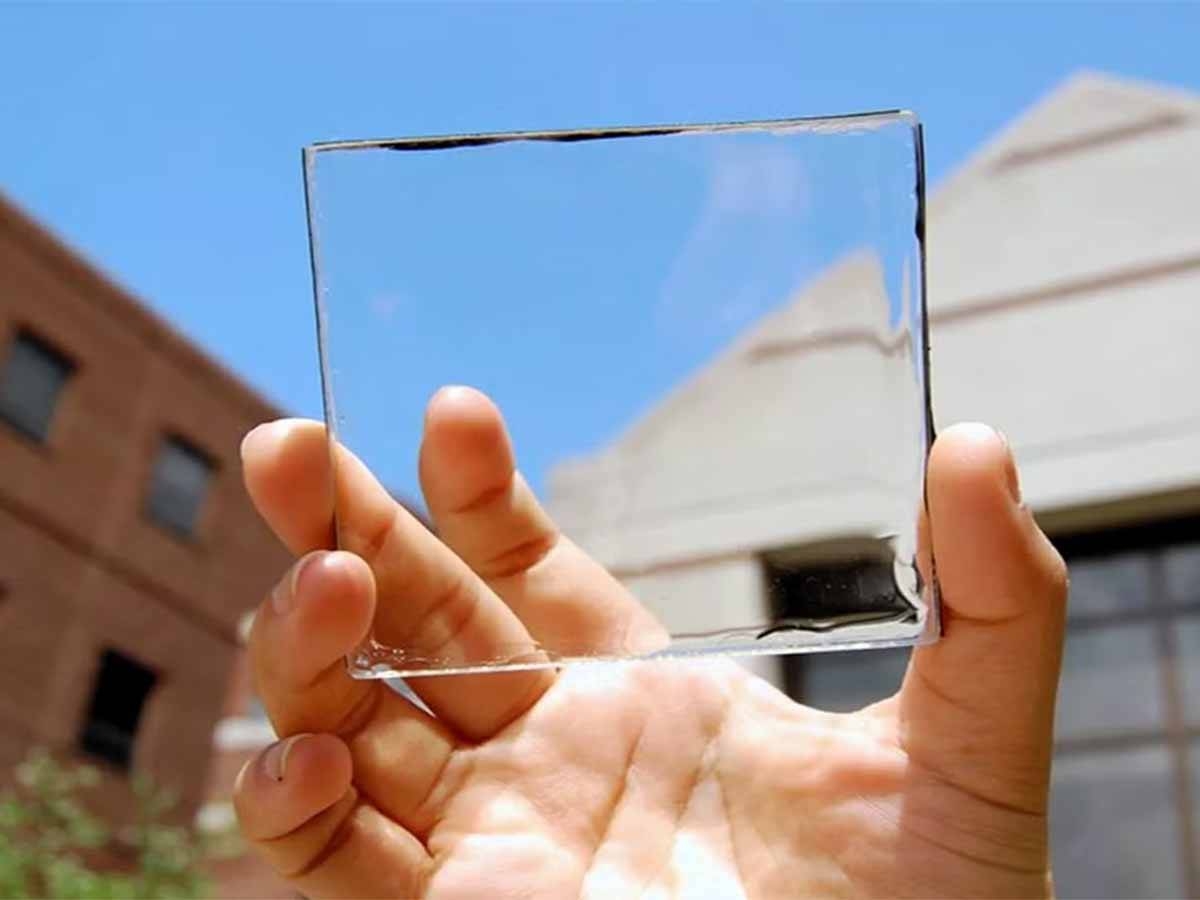
أعلنت شركة «نورنيكل» الروسية تطوير نماذج لأول خلايا شمسية شبه شفافة في روسيا، بالتعاون مع جامعة «ميسيس» الروسية للبحوث التكنولوجية، في خطوة تمثل ابتكارا نوعيا في دمج الطاقة الشمسية ضمن المباني.
وتعرف التقنية باسم BIPV (الطاقة الكهروضوئية المدمجة في المباني)، إذ تتحول العناصر المعمارية إلى مصادر للكهرباء، وتتيح الألواح المدمجة مرور ضوء النهار إلى الداخل، كما توفر حماية من الحرارة الزائدة عبر عكس الإشعاع الحراري.
وتعتمد هذه التقنية على أغشية البيروفسكايت الهجينة التي يقل سمكها عن ميكرون واحد، ويتم تركيبها بالأسطح باستخدام الطباعة، مع استبدال الأقطاب الكهربائية المعدنية المعتمة بأقطاب شفافة متعددة الطبقات.
وأوضحت آنا ستافيتسكايا، رئيسة مشاريع مركز تكنولوجيا البلاديوم في نورنيكل، أنه لضمان مقاومة الأكسدة والمتانة، تستخدم الشركة طبقة نانوية من البيلاديوم على الأقطاب الكهربائية والتي بدورها تعزز الموثوقية وتحمي المكونات من الأكسدة وتطيل عمر الخلايا، مما يجعل هذه التقنية قادرة على التطبيق في ظروف التشغيل الفعلية وليس في المختبر فقط.
يذكر أن هذه التقنية الجديدة ستفتح آفاقا واسعة لتطوير المباني الذكية المستدامة، مع إمكانية تقليل استهلاك الطاقة وزيادة الاعتماد على المصادر المتجددة.
The Russian company "Nornickel" announced the development of models for the first semi-transparent solar cells in Russia, in collaboration with the Russian Technological University "Misis," in a step that represents a qualitative innovation in integrating solar energy into buildings.
This technology is known as BIPV (Building-Integrated Photovoltaics), where architectural elements are transformed into sources of electricity, allowing integrated panels to let daylight into the interior while providing protection from excess heat by reflecting thermal radiation.
This technology relies on hybrid perovskite films that are less than one micron thick, which are installed on surfaces using printing, replacing opaque metallic electrodes with transparent multilayer electrodes.
Anna Stavitskaya, head of projects at the Palladium Technology Center in Nornickel, explained that to ensure oxidation resistance and durability, the company uses a nanolayer of palladium on the electrodes, which in turn enhances reliability and protects components from oxidation, extending the lifespan of the cells, making this technology applicable in real operating conditions and not just in the laboratory.
It is worth mentioning that this new technology will open wide horizons for the development of sustainable smart buildings, with the potential to reduce energy consumption and increase reliance on renewable sources.