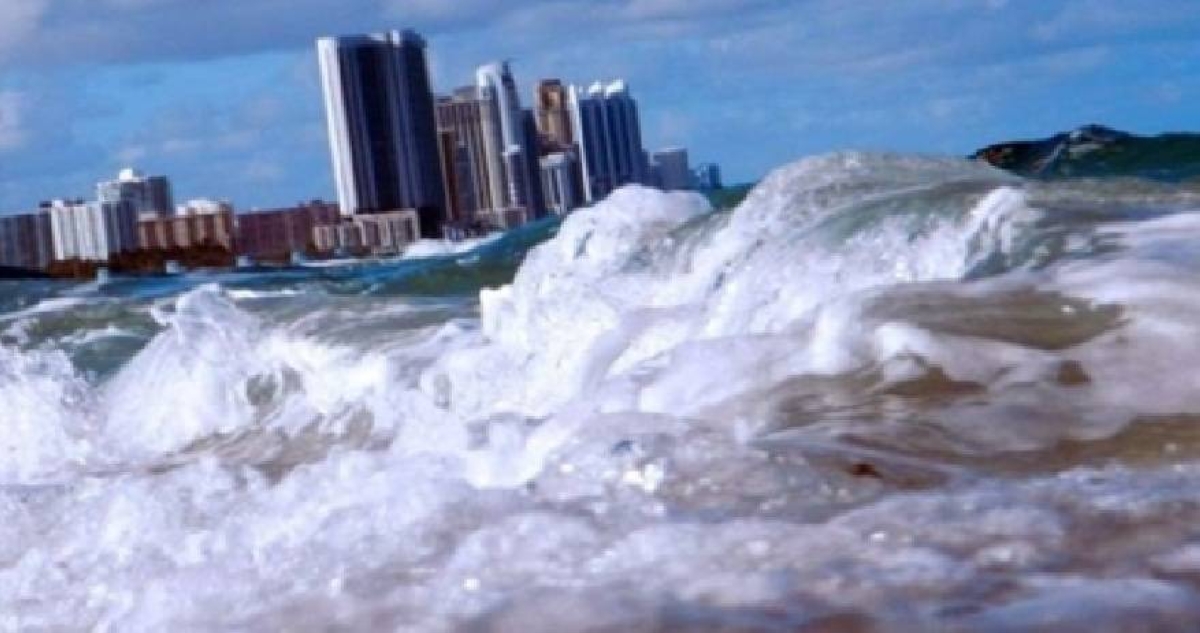
أطلقت جامعة ماكغيل الكندية إنذاراً علمياً خطيراً حذّرت فيه من أن أكثر من 100 مليون مبنى في دول الجنوب العالمي مهددة بالفيضانات المتكررة خلال القرون القادمة، إذا لم يتوقف العالم عن سباقه مع الوقود الأحفوري.
مدّ لا يمكن وقفه
الدراسة المنشورة في مجلة علمية مرموقة، ونقلها موقع Interesting Engineering، تؤكد أن الخطر لا يقتصر على الشواطئ الحالية فقط، بل يمتد إلى مدن ومجتمعات كاملة تعتمد على البنية التحتية الساحلية في أفريقيا وجنوب شرق آسيا وأمريكا اللاتينية.
شاركت البروفيسورة ناتاليا غوميز في إعداد الدراسة، وقالت إن «ارتفاع مستوى سطح البحر عملية بطيئة، لكنها لا يمكن إيقافها، والحديث عن متر واحد من الارتفاع يبدو متفائلاً جداً، فالواقع قد يكون أسوأ بكثير».
أرقام صادمة
باستخدام بيانات الأقمار الصناعية وخرائط الارتفاع، حاكى الباحثون سيناريوهات لارتفاع البحر بين نصف متر إلى 20 متراً.
وحتى في أكثر الفرضيات تفاؤلاً، سيُغمر ما لا يقل عن 3 ملايين مبنى، بينما يصل العدد إلى 100 مليون في حال استمرار الانبعاثات دون قيود. وقال مشارك آخر في إعداد الدراسة هو البروفيسور جيف كارديل: «فوجئنا بحجم التهديد، فحتى الارتفاع الطفيف سيغيّر وجه الأرض كما نعرفه».
خريطة الغرق
الدراسة أطلقت خريطة تفاعلية عبر «غوغل إيرث» تمكّن صانعي القرار من تتبع النقاط المهددة بالغمر بدقة مذهلة، لتساعد الحكومات على التخطيط لمستقبل مدنها قبل أن تبتلعها الأمواج.
اقتصاد تحت الماء
وحذّرت الباحثة مايا ويلارد ستيبان من أن التأثير لن يكون بيئياً فقط، بل اقتصادياً عالمياً، إذ تقع أهم الموانئ وسلاسل الإمداد في مناطق منخفضة معرضة للغرق، ما يعني أن العالم كله سيدفع الثمن إذا لم يتحرك بسرعة.
McGill University in Canada has issued a serious scientific alert warning that more than 100 million buildings in the Global South are threatened by recurring floods in the coming centuries if the world does not stop its race with fossil fuels.
An Unstoppable Tide
The study published in a prestigious scientific journal and reported by Interesting Engineering confirms that the danger is not limited to current coastlines only, but extends to entire cities and communities that rely on coastal infrastructure in Africa, Southeast Asia, and Latin America.
Professor Natalia Gomez, who participated in the study, stated that "sea level rise is a slow process, but it cannot be stopped, and talking about a one-meter rise seems very optimistic; the reality could be much worse."
Shocking Numbers
Using satellite data and elevation maps, researchers simulated scenarios for sea level rise ranging from half a meter to 20 meters.
Even in the most optimistic scenarios, at least 3 million buildings will be submerged, while the number could reach 100 million if emissions continue unchecked. Another participant in the study, Professor Jeff Cardiel, said, "We were shocked by the magnitude of the threat; even a slight rise will change the face of the Earth as we know it."
The Drowning Map
The study launched an interactive map via "Google Earth" that enables decision-makers to track threatened points with astonishing accuracy, helping governments plan for the future of their cities before they are swallowed by the waves.
Economy Underwater
Researcher Maya Willard Stepan warned that the impact will not only be environmental but also globally economic, as the most important ports and supply chains are located in low-lying areas at risk of flooding, meaning that the whole world will pay the price if action is not taken swiftly.