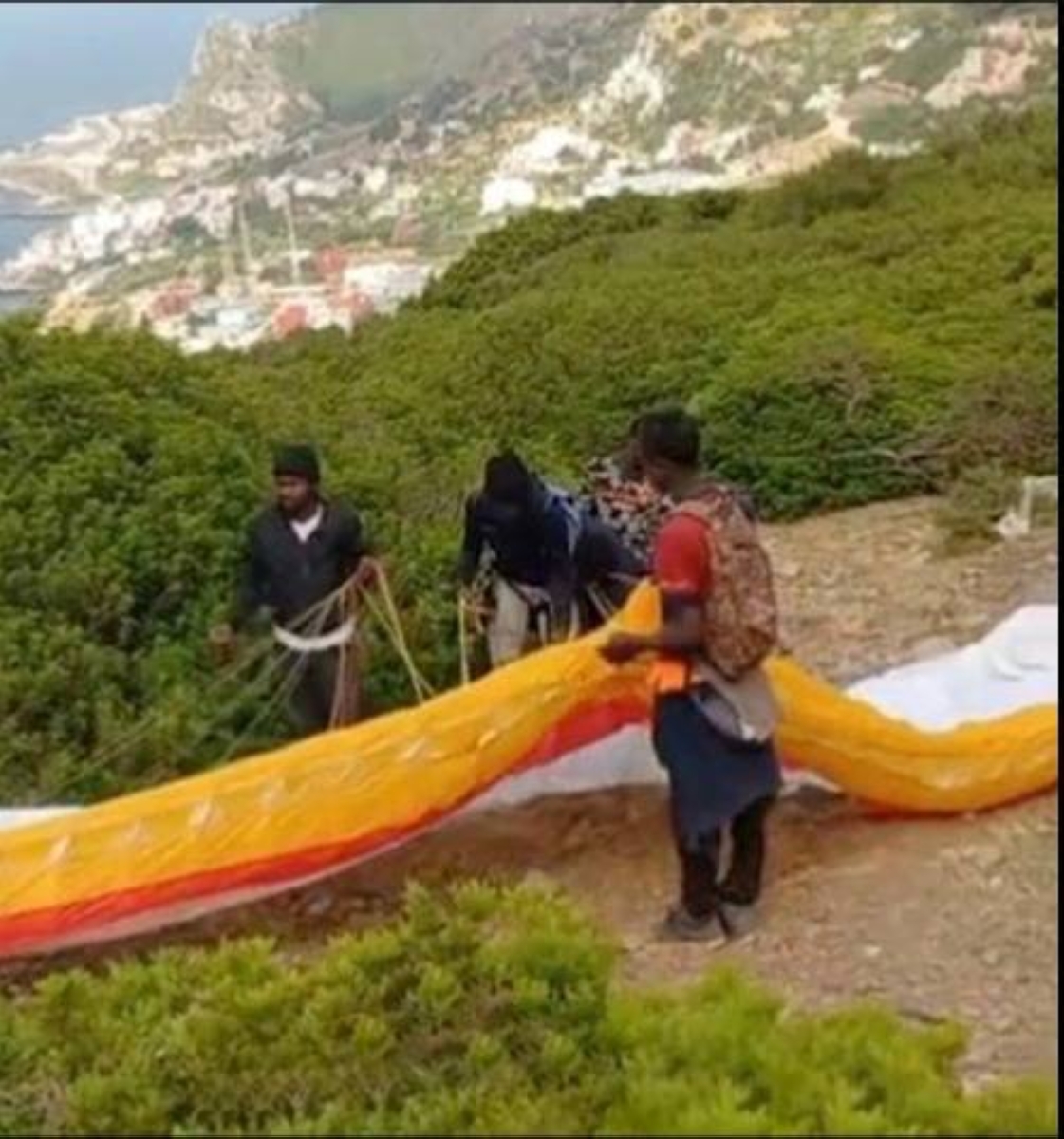
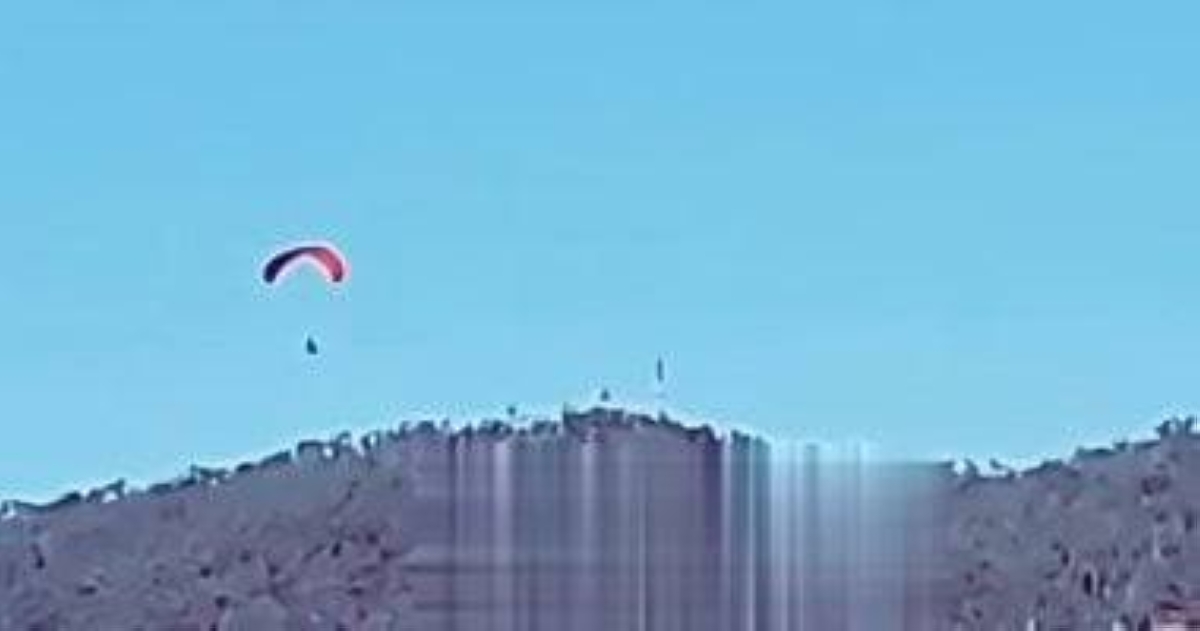
شهدت الحدود بين المغرب وجيب سبتة الإسباني، واقعة غير مسبوقة أثارت دهشة السلطات الأمنية، حيث تمكن مهاجر غير شرعي من عبور السياج الحدودي عبر التحليق بمظلة شراعية (باراغليدينغ) من جبل موسى في المغرب إلى منطقة سيدي إبراهيم داخل سبتة، وهي منطقة سياحية شهيرة بركوب الدراجات الجبلية والتنزه.
ورصدت كاميرات المراقبة الإسبانية العملية الجريئة التي نُفذت في وضح النهار، لكن المهاجر نجح في الاختفاء قبل وصول دوريات الحرس المدني الإسباني، الذين عثروا فقط على المظلة الملونة الكبيرة ملقاة في الغابات، ما يجعلها أول حالة عبور جوي ناجحة من نوعها في سبتة، رغم حوادث مشابهة سابقة في مليلية المجاورة عام 2022.
وأطلقت السلطات تحقيقاً لتحديد هوية المهاجر، الذي يُعتقد أنه في العشرينات من عمره، وقد يكون من أصل مغربي أو أفريقي جنوب الصحراء، وسط تكهنات بتوقيت العملية مع نقل روتيني للمهاجرين من مركز الاستقبال في سبتة إلى البر الإسباني الرئيسي.
وأكد الحرس المدني الإسباني أن العملية كانت احترافية، إذ انطلق المهاجر من جبل موسى الذي يطل على سبتة، مستغلاً التضاريس الجبلية للطيران فوق السياج الحدودي المزدوج بارتفاع 12 متراً المزود بأجهزة استشعار وأسلاك شائكة، بتمويل أوروبي عبر وكالة «فرونتكس» بتكلفة 66 مليون يورو.
وانتشرت فيديوهات اللحظة على وسائل التواصل، ما أثار نقاشات حول فعالية الإجراءات الأمنية في مواجهة الابتكارات الجديدة للمهاجرين، الذين بدأوا في تبادل «دليل إرشادي» عبر «TikTok» يشرح مسارات الطيران الآمنة ونقاط الضعف في السياج.
وتأتي هذه الواقعة في سياق صيف 2025 الذي شهد زيادة في محاولات العبور، إذ سجلت إسبانيا 1452 دخولاً برياً غير شرعي إلى سبتة من يناير إلى يوليو، بنسبة ارتفاع 7% عن 2024، مع انتشار فيديوهات لمهاجرين يتدربون على المظلات الشراعية قرب الحدود.
وتُعد سبتة ومليلية (الجيبان الإسبانيان في شمال أفريقيا) الحدود البرية الوحيدة بين الاتحاد الأوروبي وأفريقيا، ما يجعلهما هدفاً رئيسياً لآلاف المهاجرين الذين يفرون من الفقر والنزاعات في المغرب ودول أفريقيا جنوب الصحراء. ويعترض المغرب على سيادة إسبانيا على سبتة ومليلية، مطالباً باسترجاعهما عبر الأمم المتحدة، بينما تعتمد إسبانيا على اتفاقيات ثنائية لإعادة المهاجرين.
The border between Morocco and the Spanish enclave of Ceuta witnessed an unprecedented incident that astonished security authorities, as an illegal migrant managed to cross the border fence by paragliding from Mount Musa in Morocco to the Sidi Ibrahim area within Ceuta, a popular tourist area known for mountain biking and hiking.
Spanish surveillance cameras captured the bold operation carried out in broad daylight, but the migrant succeeded in disappearing before the arrival of the Spanish Civil Guard patrols, who only found the large, colorful parachute abandoned in the forests, making it the first successful aerial crossing of its kind in Ceuta, despite similar incidents in the neighboring Melilla in 2022.
The authorities launched an investigation to identify the migrant, who is believed to be in his twenties and may be of Moroccan or Sub-Saharan African origin, amid speculation about the timing of the operation coinciding with the routine transfer of migrants from the reception center in Ceuta to mainland Spain.
The Spanish Civil Guard confirmed that the operation was professional, as the migrant launched from Mount Musa overlooking Ceuta, taking advantage of the mountainous terrain to fly over the double border fence, which is 12 meters high and equipped with sensors and barbed wire, funded by the European Union through the Frontex agency at a cost of 66 million euros.
Videos of the moment spread on social media, sparking discussions about the effectiveness of security measures in facing new innovations from migrants, who have begun sharing a "guideline" on TikTok explaining safe flight paths and vulnerabilities in the fence.
This incident comes in the context of the summer of 2025, which saw an increase in crossing attempts, as Spain recorded 1,452 illegal land entries into Ceuta from January to July, a 7% increase compared to 2024, along with videos of migrants training on paragliders near the border.
Ceuta and Melilla (the Spanish enclaves in North Africa) are the only land borders between the European Union and Africa, making them a primary target for thousands of migrants fleeing poverty and conflicts in Morocco and Sub-Saharan African countries. Morocco contests Spain's sovereignty over Ceuta and Melilla, demanding their return through the United Nations, while Spain relies on bilateral agreements to repatriate migrants.