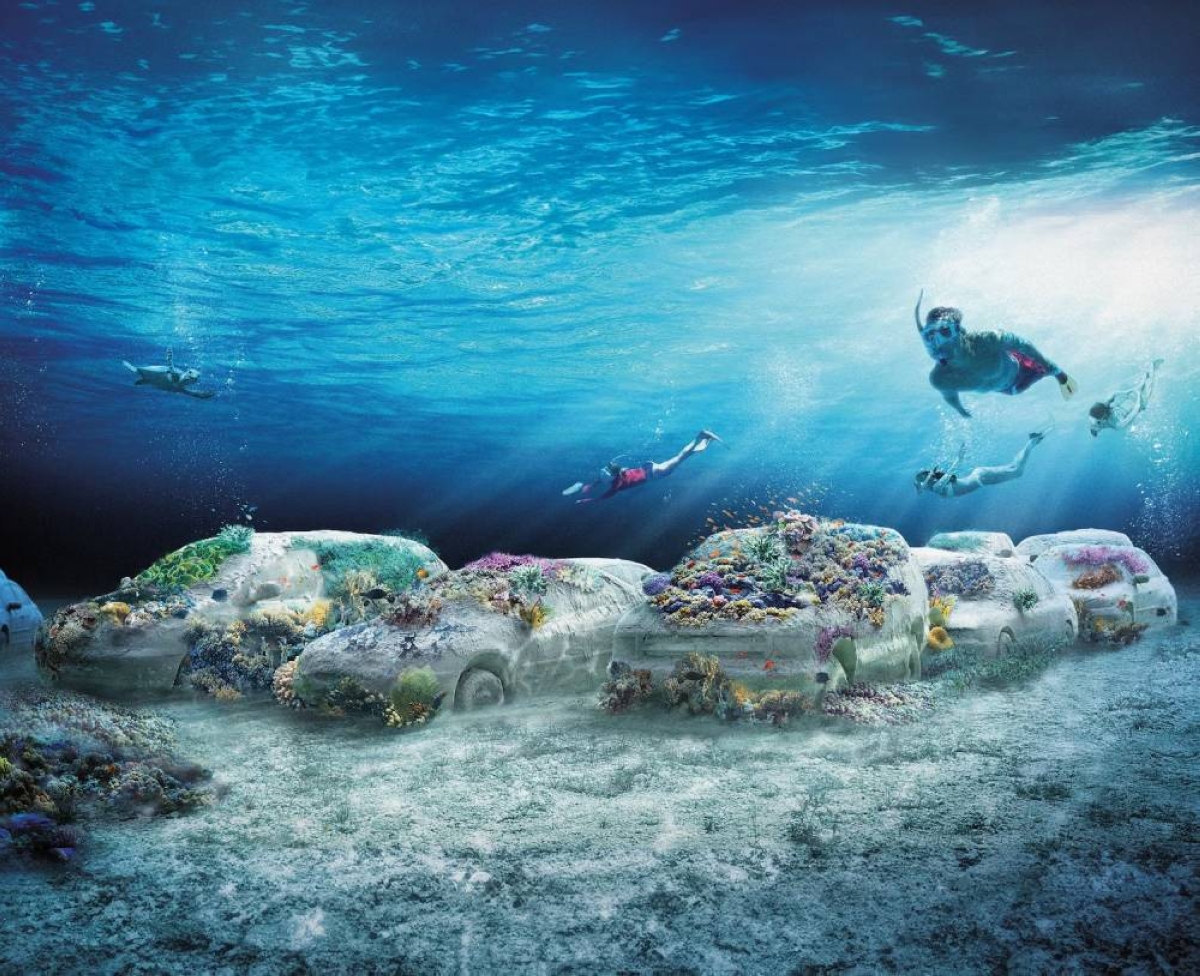
كشف الفنان الأرجنتيني لياندرو إرليش عن غمر 22 سيارة خرسانية ضمن مشروع «Concrete Coral» قبالة ساحل ميامي بيتش، كجزء من مبادرة «The Reefline» لإنقاذ الشعاب المرجانية المتدهورة في فلوريدا، وإعادة بناء نظام الشعاب المرجانية في تلك المنطقة.
ووفقا لوسائل إعلام أمريكية صُنعت هذه السيارات من خرسانة بحرية منخفضة الانبعاثات، وستُزرع بالمرجان الحي لتصبح موطنا للأسماك والكائنات البحرية، مع إتاحة السباحة والغوص حولها بدءا من نوفمبر القادم.
وأكدت زيمينا كامينوس، مؤسسة المبادرة، أن العمل يحمل رسالة بيئية قوية، حيث تحول السيارات، رمز انبعاثات الكربون، إلى هياكل تدعم الحياة في مواجهة تغير المناخ.
ويأتي المشروع وسط تهديدات بيئية خطيرة تواجه الشعاب المرجانية، التي تضررت بسبب الحرارة البحرية والتلوث، فيما تهدف مبادرة «The Reefline» إلى زراعة المرجان وتعزيز السياحة البيئية.
وتعتبر المبادرة الأمريكية بمثابة «مشروع بيئي» يهدف إلى إنشاء حديقة فنية تحت الماء تمتد لـ7 أميال قبالة ساحل ميامي بيتش، تجمع بين التماثيل الفنية والهياكل الهجينة للشعاب المرجانية لتعزيز التنوع البيولوجي ومكافحة تآكل الشواطئ وارتفاع مستوى سطح البحر.
وصنعت السيارات بقوالب مطبوعة ثلاثيا الأبعاد من خرسانة منخفضة الانبعاثات، مع نظام لزراعة المرجان، لتصبح حاجزا طبيعيا وموطنا للسمك والكائنات البحرية، معتمدة على نجاح تجارب سابقة أظهرت «استعمارا كاملا» للحياة.
يأتي هذا في سياق تدهور شعاب فلوريدا، الذي يواجه موجات حرارية بحرية (مثل عام 2023 التي أدت إلى تبييض واسع النطاق)، وتلوثا وأنشطة بشرية، ما يهدد التنوع البيولوجي والسياحة.
The Argentine artist Leandro Erlich has revealed the submergence of 22 concrete cars as part of the "Concrete Coral" project off the coast of Miami Beach, as part of the "The Reefline" initiative to save the deteriorating coral reefs in Florida and rebuild the reef system in that area.
According to American media, these cars are made from low-emission marine concrete and will be planted with live coral to become a habitat for fish and marine creatures, with swimming and diving around them available starting next November.
Jimena Caminos, the founder of the initiative, confirmed that the work carries a strong environmental message, as the cars, a symbol of carbon emissions, are transformed into structures that support life in the face of climate change.
The project comes amid serious environmental threats facing coral reefs, which have been damaged by marine heat and pollution, while the "The Reefline" initiative aims to cultivate coral and promote eco-tourism.
The American initiative is considered an "environmental project" aimed at creating an underwater art park that extends 7 miles off the coast of Miami Beach, combining artistic sculptures and hybrid coral structures to enhance biodiversity and combat beach erosion and rising sea levels.
The cars were made using 3D-printed molds from low-emission concrete, with a coral cultivation system, to become a natural barrier and habitat for fish and marine creatures, relying on the success of previous experiments that showed "complete colonization" of life.
This comes in the context of the deterioration of Florida's reefs, which face marine heat waves (like in 2023 that led to widespread bleaching), pollution, and human activities, threatening biodiversity and tourism.