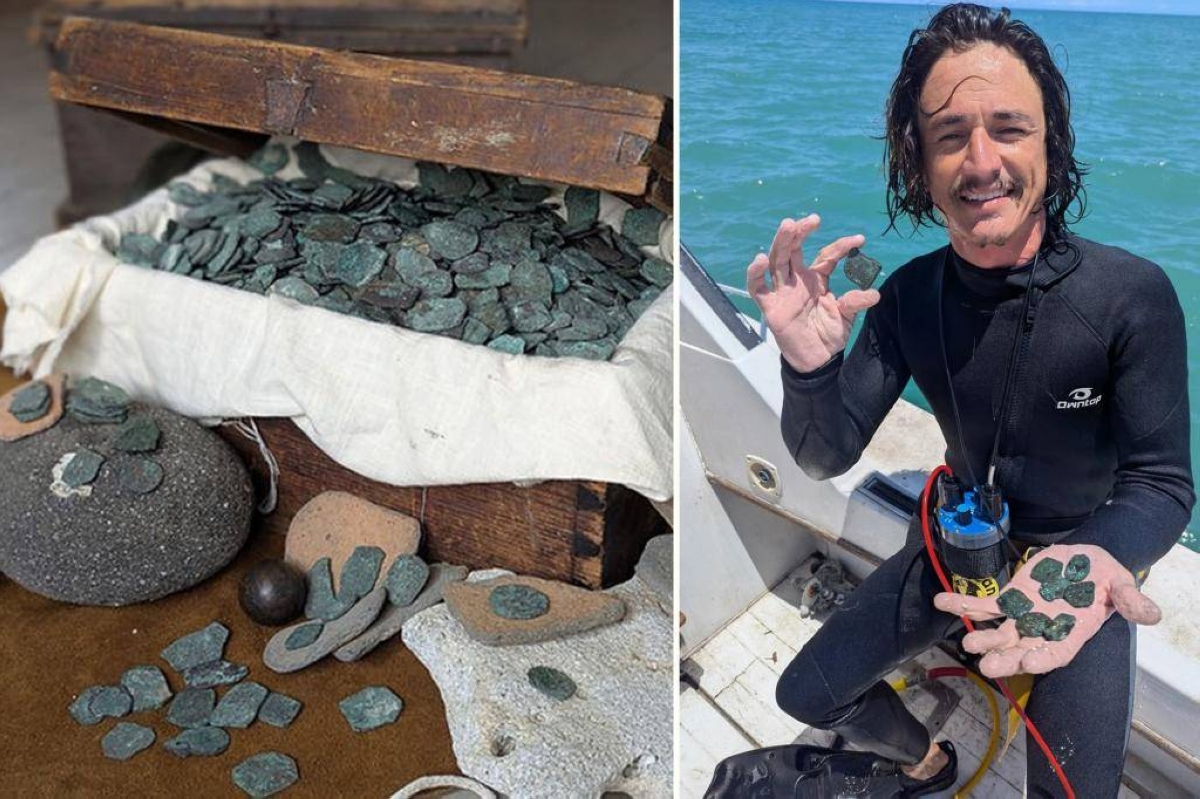
في اكتشاف أثري مثير، عثر فريق من الغواصين على حطام سفينة «سان فرناندو»، إحدى سفن أسطول الكنز الإسباني الشهير لعام 1715، قبالة ساحل فلوريدا المعروف باسم «ساحل الكنز» على بعد حوالي 300 متر من الشاطئ بالقرب من فورت بيرس، في مياه ضحلة بعمق 4.5 متر فقط، مما يجعله أحد أكثر حطام السفن اكتمالاً التي تم العثور عليها من هذا الأسطول في السنوات الأخيرة.
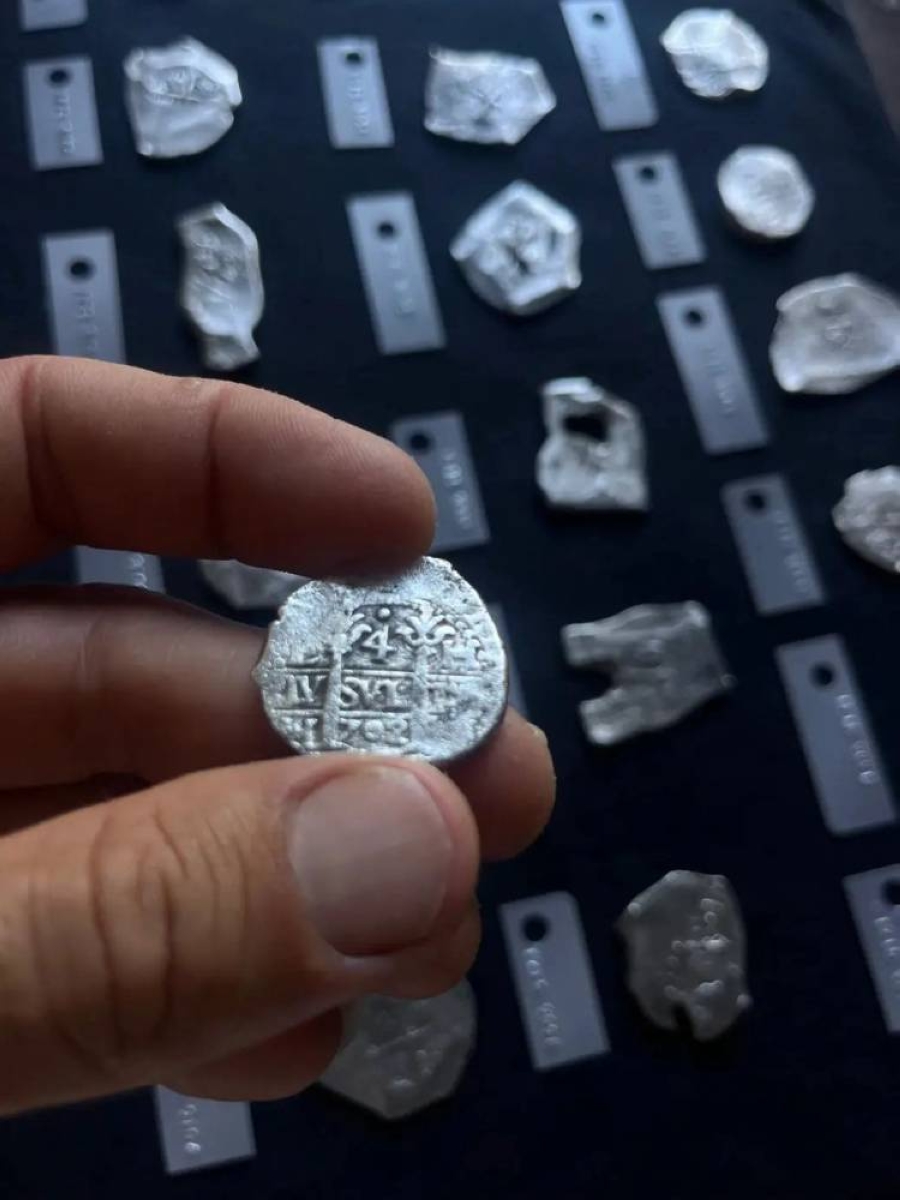
وكشف الاكتشاف، الذي قامت به شركة «سالتي ساندز إكسبلوريشن» التي تمتلك حقوق التنقيب الحصرية في المنطقة، عن كنوز وآثار بحرية تعود إلى القرن الثامن عشر، بما في ذلك كرات مدافع ومرساة ونقود فضية نادرة تُعرف باسم «كوب»، صُنعت في مكسيكو سيتي بين عامي 1692 و1733.
وتتطابق هذه الاكتشافات مع السجلات التاريخية لسفينة سان فرناندو، التي كانت جزءًا من أسطول مكون من 11 سفينة محملة بالذهب والفضة والكنوز الأخرى، في طريقها من العالم الجديد إلى إسبانيا.
في 31 يوليو 1715، ضرب إعصار مدمر الأسطول الإسباني قبالة ساحل فلوريدا، مما أدى إلى غرق معظم سفنه وفقدان الآلاف من الأرواح وحمولات ثمينة قدرت قيمتها بملايين الدولارات في ذلك الوقت، وكان هذا الحدث بمثابة ضربة اقتصادية قاسية لإسبانيا، التي كانت تعتمد على هذه الكنوز لتمويل اقتصادها.
ويوفر حطام سان فرناندو، الذي يُعتقد أنه اقترب من الشاطئ أثناء محاولة السفن تفادي الإعصار، لمحة نادرة عن التجارة البحرية في العصر الاستعماري.
تعمل إدارة الموارد التاريخية في فلوريدا وهيئة حماية الحياة البرية والبحرية في الولاية على توثيق الموقع وحمايته، مع خطط لمواصلة التنقيب للكشف عن المزيد من الآثار، يتم الاحتفاظ بالقطع الأثرية المستردة في منشأة آمنة للدراسة، مع احتمال عرضها للجمهور في المستقبل.
ويُعد هذا الاكتشاف إضافة مهمة لفهمنا لتاريخ الملاحة البحرية والتجارة في العالم الجديد، ويعزز مكانة ساحل فلوريدا كوجهة رئيسية لعشاق التاريخ والباحثين عن الكنوز.
وكان هذا الأسطول جزءًا من نظام الشحن الإسباني الذي نقل الثروات من مستعمرات أمريكا اللاتينية إلى إسبانيا خلال القرنين السادس عشر والسابع عشر، حيث كانت السفن محملة بالذهب والفضة والأحجار الكريمة من مناجم المكسيك وبيرو وكولومبيا.
كان الأسطول يبحر عادةً في قوافل لحمايتها من القراصنة، لكن الظروف الجوية القاسية، مثل الإعصار الذي ضرب عام 1715، جعلت هذه الرحلات محفوفة بالمخاطر.
ويُطلق على المنطقة الممتدة من فورت بيرس إلى سيباستيان في فلوريدا اسم «ساحل الكنز» بسبب حطام السفن العديدة من أسطول 1715 التي غرقت هناك، منذ القرن الثامن عشر، جذبت هذه المنطقة صيادي الكنوز، وأدت الاكتشافات المتكررة إلى إنشاء قوانين صارمة لحماية المواقع الأثرية.
ويوفر حطام السفن مثل سان فرناندو معلومات قيمة عن الحياة البحرية، تقنيات بناء السفن، والاقتصاد العالمي في العصر الاستعماري، النقود والأدوات المستردة تساعد العلماء على فهم شبكات التجارة وأنماط الحياة في تلك الفترة.
In an exciting archaeological discovery, a team of divers found the wreck of the "San Fernando," one of the ships from the famous Spanish treasure fleet of 1715, off the coast of Florida known as the "Treasure Coast," about 300 meters from the shore near Fort Pierce, in shallow waters only 4.5 meters deep, making it one of the most intact shipwrecks found from this fleet in recent years.
The discovery, made by "Salty Sands Exploration," which holds exclusive excavation rights in the area, revealed treasures and maritime artifacts dating back to the 18th century, including cannonballs, an anchor, and rare silver coins known as "cobs," minted in Mexico City between 1692 and 1733.
These discoveries match the historical records of the San Fernando, which was part of a fleet of 11 ships loaded with gold, silver, and other treasures, on their way from the New World to Spain.
On July 31, 1715, a devastating hurricane struck the Spanish fleet off the coast of Florida, sinking most of its ships and resulting in the loss of thousands of lives and valuable cargo estimated to be worth millions of dollars at the time. This event was a harsh economic blow to Spain, which relied on these treasures to fund its economy.
The San Fernando wreck, believed to have come close to shore while the ships were trying to avoid the hurricane, provides a rare glimpse into maritime trade during the colonial era.
The Florida Division of Historical Resources and the state's Fish and Wildlife Conservation Commission are working to document and protect the site, with plans to continue excavating to uncover more artifacts. The recovered artifacts are being kept in a secure facility for study, with the possibility of being displayed to the public in the future.
This discovery is an important addition to our understanding of maritime navigation and trade in the New World, enhancing Florida's Treasure Coast's status as a major destination for history enthusiasts and treasure seekers.
This fleet was part of the Spanish shipping system that transported wealth from Latin American colonies to Spain during the 16th and 17th centuries, with ships loaded with gold, silver, and gemstones from the mines of Mexico, Peru, and Colombia.
The fleet typically sailed in convoys to protect themselves from pirates, but harsh weather conditions, such as the hurricane that struck in 1715, made these voyages perilous.
The area stretching from Fort Pierce to Sebastian in Florida is known as the "Treasure Coast" due to the numerous shipwrecks from the 1715 fleet that sank there. Since the 18th century, this area has attracted treasure hunters, and repeated discoveries have led to the establishment of strict laws to protect archaeological sites.
Shipwrecks like the San Fernando provide valuable information about marine life, shipbuilding techniques, and the global economy during the colonial era. The recovered coins and tools help scientists understand trade networks and lifestyles during that period.