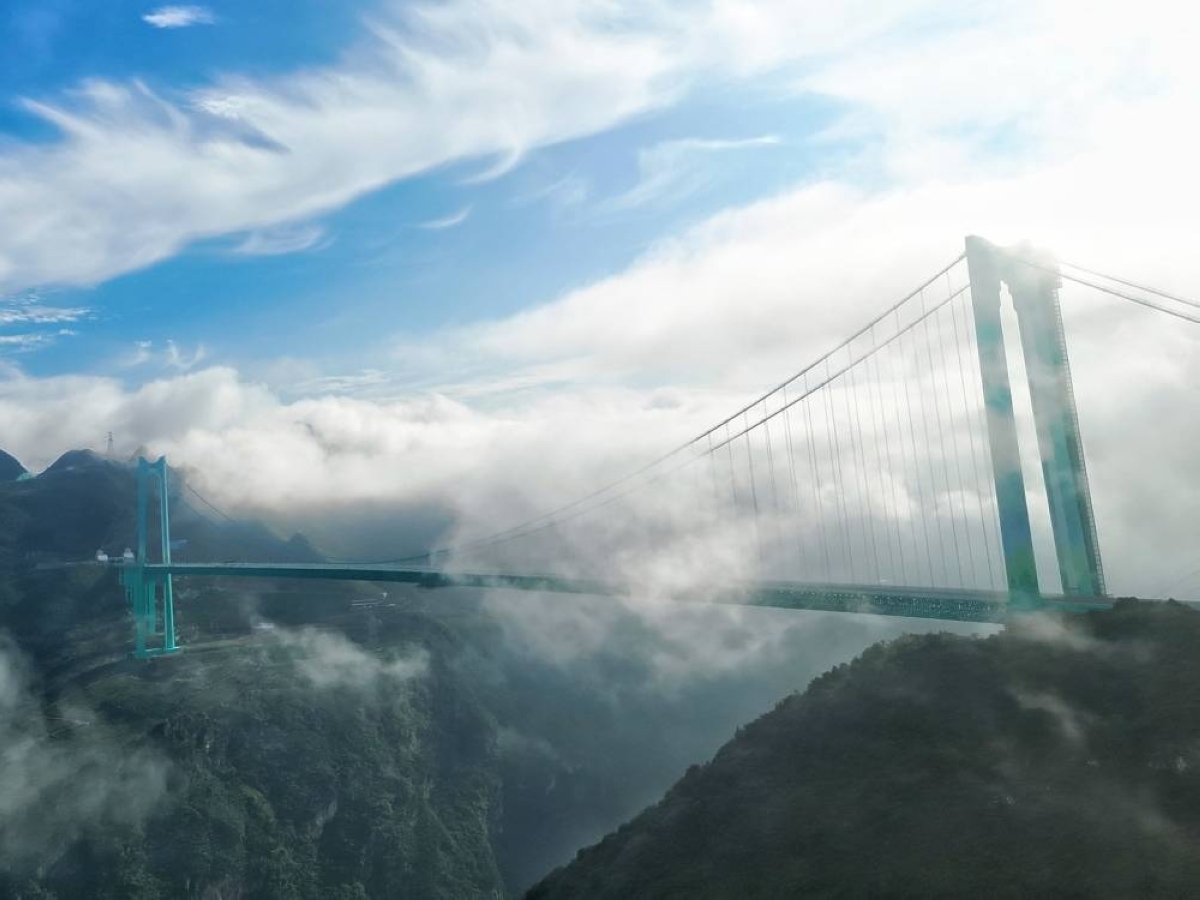
افتتحت الصين أعلى جسر معلق فولاذي في العالم بمقاطعة قويتشو جنوب غرب البلاد، بارتفاع 625 متراً فوق نهر بييبان، ليختصر وقت العبور عبر كانيون هواجيانغ الكبير من ساعات إلى دقائق، في حدث يعكس قوة الابتكار الصيني في مواجهة الطبيعة الوعرة.
**media[]**
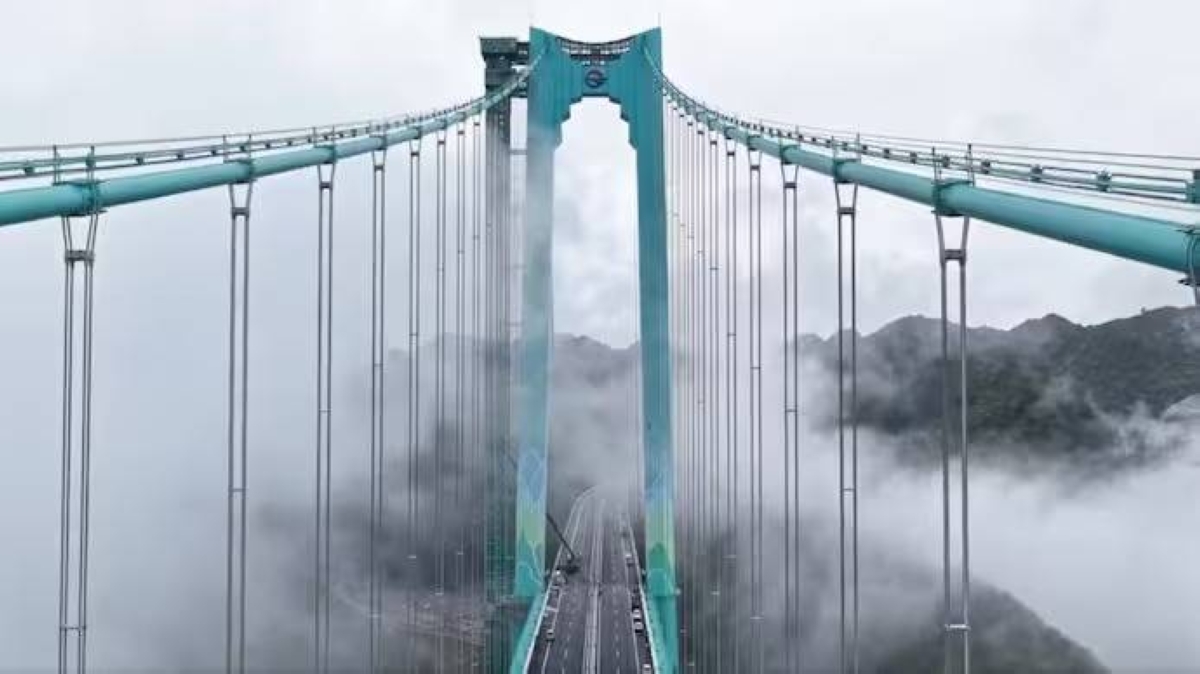
ويعد الجسر الذي يمتد لمسافة إجمالية 2,890 متراً مع فتحة رئيسية تبلغ 1,420 متراً، يحمل الطريق السريع Guizhou S57 الذي يربط بين منطقتي ليوزي وأنلونغ الخاصتين، إنجازاً هندسياً يتجاوز الجسر السابق الحائز على الرقم القياسي، جسر بييبانجيانغ، الذي يبلغ ارتفاعه 565.4 متر، ويقع على بعد نحو 100 كيلومتر فقط.
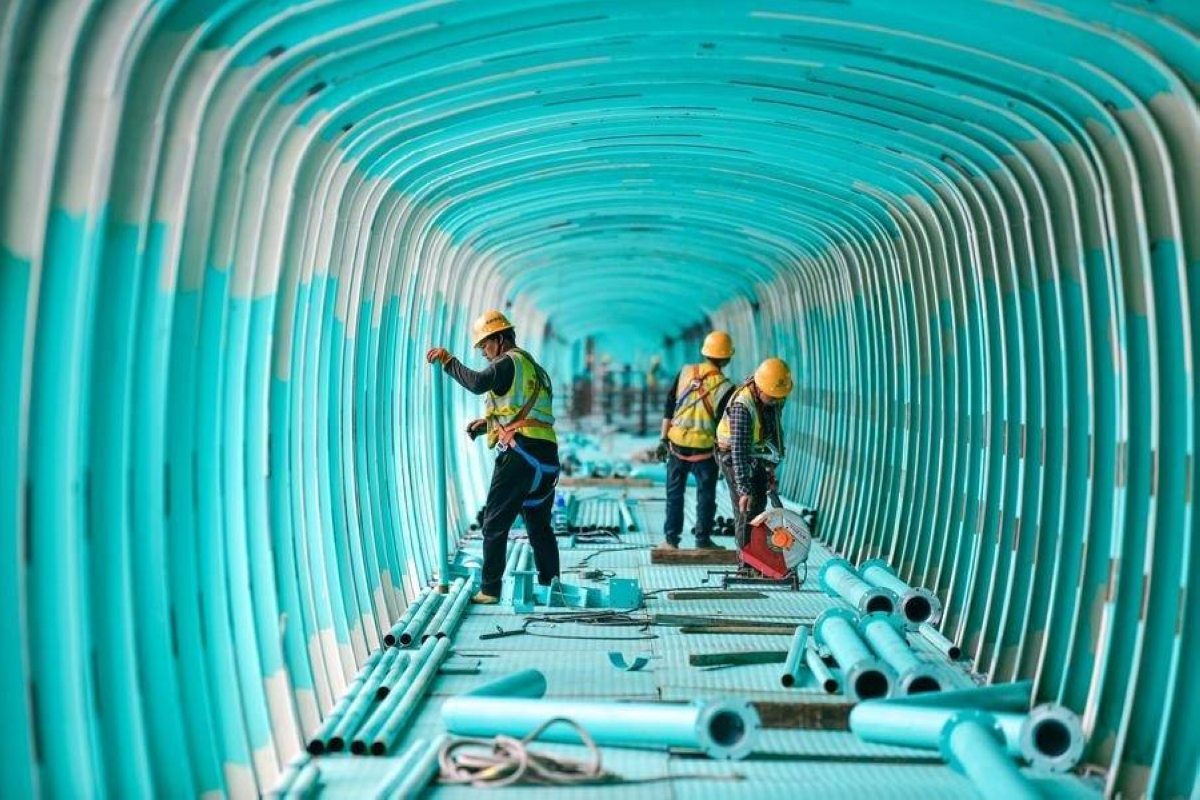
بدأ بناء الجسر في عام 2022، واستغرق أكثر من 3 سنوات ليكتمل، مستفيداً من تقنيات متقدمة في مقاومة الرياح والإنشاءات عالية الارتفاع، ما أدى إلى تسجيل 21 براءة اختراع، ودمج إنجازاته في المعايير الوطنية لإنشاء الجسور.
ووفقاً لإعلان الحكومة المحلية، يقطع الجسر وقت العبور عبر كانيون هواجيانغ العميق من ساعتين كاملتين عبر الطرق الجبلية المتعرجة إلى دقيقتين فقط، مما يُحدث ثورة في التنقل اليومي للسكان المحليين ويفتح أبواباً جديدة للسياحة في المنطقة الريفية المنعزلة سابقاً.
وخلال حفل الافتتاح، شهد الحضور اختباراً مذهلاً لستار الماء، حيث اندمج رذاذ المياه مع أشعة الشمس ليخلق قوس قزح ساحراً فوق الكانيون، كما أظهر مقطع فيديو انتشر على وسائل التواصل الاجتماعي.
وقال رئيس إدارة النقل في المقاطعة زانغ يين: «الجسر ليس مجرد هيكل معدني، بل رابط حياة يربط بين المستقبل والحاضر، ويُعزز التنمية الريفية في قويتشو»، وأضاف أن الجسر سيساهم في إنشاء مركز للرياضات المتطرفة في قاع الكانيون، ما يجذب السياح العالميين ويُعزز الاقتصاد المحلي الذي يعاني من الفقر النسبي بسبب التضاريس الصعبة.
ويعد الجسر، الذي يرتفع إلى ارتفاع يقارب برج شنغهاي، الإضافة الأحدث إلى شبكة الجسور الضخمة في قويتشو، التي تضم الآن نصف الجسور العالمية الأعلى، ويُبرز النهج الصيني في بناء الجسور في المناطق الجبلية، ومع ارتفاع أبراجه الرئيسية إلى 332 متراً يُشكل الجسر معجزة هندسية تجمع بين الفولاذ والحكمة، كما وصفته الحكومة المحلية في قصيدة احتفالية: «فولاذ كشبكة، وحكمة كمراسٍ، تحت السماء المقوسة يمتد جسر أخضر».
وتقع مقاطعة قويتشو في جنوب غرب الصين وهي إحدى أفقر المقاطعات في البلاد، وتتميز بتضاريسها الجبلية الوعرة وكارستية المناظر الطبيعية، ما يجعل الاتصالات بين المناطق الريفية تحدياً كبيراً تاريخياً، ومع ذلك، شهدت قويتشو طفرة هائلة في البنية التحتية خلال العقود الأخيرة، حيث أصبحت تُلقب بـ«متحف الجسور العالمي»، إذ تضم حالياً أكثر من 32 ألف جسر مكتمل أو قيد الإنشاء، وتشمل نصف عدد الجسور الـ100 الأعلى في العالم.
وبدأت هذه الثورة في الثمانينات، حيث تضاعف عدد الجسور 10 مرات، مدعومة بتقنيات متقدمة مثل الذكاء الاصطناعي والطائرات بدون طيار للرصد، وتهدف إلى إحياء المناطق الريفية، وتعزيز السياحة، وتقليل الفقر من خلال تسهيل التجارة والتنقل.
China has opened the world's highest steel suspension bridge in Guizhou Province, southwest of the country, standing 625 meters above the Beipan River, reducing the crossing time through the Huajiang Grand Canyon from hours to minutes, in an event that reflects the strength of Chinese innovation in the face of rugged nature.
**media[]**
The bridge, which spans a total length of 2,890 meters with a main span of 1,420 meters, carries the Guizhou S57 highway connecting the special regions of Liuzhi and Anlong, is an engineering achievement that surpasses the previous record-holding bridge, the Beipanjiang Bridge, which stands at 565.4 meters and is located just about 100 kilometers away.
Construction of the bridge began in 2022 and took more than 3 years to complete, utilizing advanced technologies in wind resistance and high-altitude construction, resulting in the registration of 21 patents and integrating its achievements into national standards for bridge construction.
According to a local government announcement, the bridge cuts the crossing time through the deep Huajiang Canyon from a full two hours via winding mountain roads to just two minutes, revolutionizing the daily commute for local residents and opening new doors for tourism in the previously isolated rural area.
During the opening ceremony, attendees witnessed a stunning water curtain test, where the spray of water merged with sunlight to create a magical rainbow over the canyon, as shown in a video that circulated on social media.
The head of the provincial transportation department, Zhang Yin, stated, "The bridge is not just a metal structure, but a lifeline connecting the future and the present, enhancing rural development in Guizhou." He added that the bridge will contribute to the establishment of an extreme sports center at the bottom of the canyon, attracting global tourists and boosting the local economy, which suffers from relative poverty due to the challenging terrain.
The bridge, which rises to a height comparable to the Shanghai Tower, is the latest addition to Guizhou's massive network of bridges, which now includes half of the world's highest bridges, highlighting the Chinese approach to building bridges in mountainous areas. With its main towers reaching 332 meters, the bridge is an engineering marvel that combines steel and wisdom, as described by the local government in a celebratory poem: "Steel like a net, wisdom like anchors, under the arched sky extends a green bridge."
Guizhou Province, located in southwest China, is one of the poorest provinces in the country, characterized by its rugged mountainous terrain and karst landscapes, making communication between rural areas a significant historical challenge. However, Guizhou has witnessed a tremendous infrastructure boom in recent decades, earning the nickname "Museum of Global Bridges," as it currently boasts more than 32,000 completed or under-construction bridges, including half of the top 100 bridges in the world.
This revolution began in the 1980s, with the number of bridges increasing tenfold, supported by advanced technologies such as artificial intelligence and drones for monitoring, aimed at revitalizing rural areas, boosting tourism, and reducing poverty by facilitating trade and mobility.