منذ أن خطف ضوء الشاشات أَلَقَ النجوم، تغيّر وجه الليل. ما كان واحة سكينة ووقتاً للتأمل والراحة، صار سوقاً صاخبة للأحاديث المتقطعة والتنبيهات المضيئة، وحلبة لمعارك (السوشال ميديا). الليل لم يعد حارساً لأسرار النوم، بل صار مستضيفاً لماراثون السهر وسباق التحديق في الشاشات حتى ساعات متأخرة.
وفقاً لدراسة جديدة من جامعة بورتسموث البريطانية، يبدو أن الذين يفضلون السهر هم الأكثر عرضة للدخول في علاقة مضطربة مع هواتفهم الذكية ووسائل التواصل الاجتماعي. ويظهر هذا الاضطراب في القلق عند الابتعاد عن الهاتف، وإهمال المسؤوليات اليومية لصالح التصفح، والتحقق القهري من الإشعارات. الدراسة تميّز كذلك بين إدمان الهاتف وإدمان وسائل التواصل الاجتماعي؛ فالأول يتجلّى في التعلّق بالأداة نفسها، أما الثاني في الاستخدام المفرط وغير المنضبط للتطبيقات بشكل يخلّ بالتوازن اليومي.
الأمر لا يتعلق بوقت الشاشة فحسب، إذ يبيّن البحث أن الوحدة والقلق هما عاملان وسيطان يفاقمان هذه السلوكيات. وبالنسبة للشباب بين 8 و25 عاماً، فإن السهر يجعلهم يلجأون للهواتف كوسيلة للتأقلم مع مشاعرهم، لكن المفارقة أن هذا (العلاج) يزيد الضيق ويعمّق العزلة.
الباحثة الدكتورة آنا ستينا والينهيمو، وصفت هذه الظاهرة بأنها «حلقة مفرغة»؛ فالشباب الذين ينشطون ليلاً غالباً ما يشعرون بأنهم غير منسجمين اجتماعياً، ما يدفعهم أكثر نحو الشاشات. المفارقة القاسية أن هذه الشاشات لا تقدم دفئاً حقيقياً بل تُفاقم مشاعر العزلة. ومع وصول القلق والاكتئاب إلى أعلى مستوياتهما بين الشباب عالمياً، يحذّر الباحثون من تجاهل هذا المؤشر النفسي الخطير.
الرسالة من الدراسة أِوضحت أنه لا يكفي الحديث عن «تقليل وقت الشاشة» كحلّ، بل يجب أن تتوجه إستراتيجيات الوقاية إلى تحسين الصحة العاطفية والرفاه النفسي، خصوصاً لأولئك الذين ينتمون إلى (عالم الليل). ربما السؤال الذي ينبغي أن يطرحه كل (ليلي) على نفسه قبل منتصف الليل «هل أطفئ النور لأربح يوماً أقلّ قلقاً غداً؟».
دراسة: «الليليون».. يدفعون ثمن السهر !
26 سبتمبر 2025 - 01:22
|
آخر تحديث 26 سبتمبر 2025 - 01:22
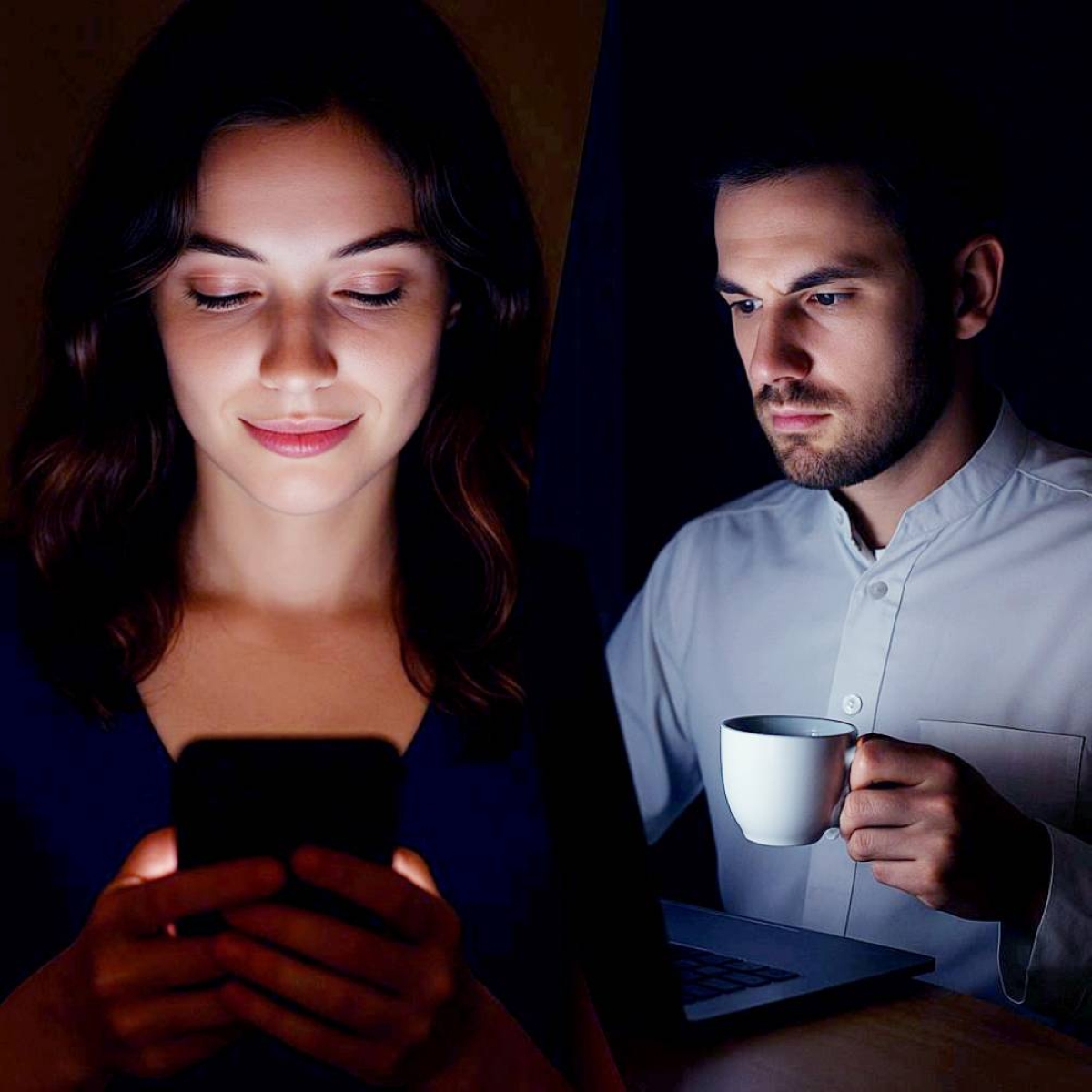
صورة تعبيرية بواسطة. (AI)


تابع قناة عكاظ على الواتساب
«عكاظ» (جدة) OKAZ_online@
Since the light of screens has stolen the glow of stars, the face of the night has changed. What was once an oasis of tranquility and a time for reflection and rest has become a bustling market of fragmented conversations and glowing notifications, and an arena for battles on social media. The night is no longer a guardian of the secrets of sleep; it has become a host for a marathon of wakefulness and a race to stare at screens until the late hours.
According to a new study from the University of Portsmouth in the UK, those who prefer staying up late are more likely to develop a troubled relationship with their smartphones and social media. This disturbance manifests as anxiety when away from the phone, neglecting daily responsibilities in favor of browsing, and compulsively checking notifications. The study also distinguishes between phone addiction and social media addiction; the former is reflected in attachment to the device itself, while the latter is characterized by excessive and unregulated use of applications in a way that disrupts daily balance.
It's not just about screen time; the research shows that loneliness and anxiety are mediating factors that exacerbate these behaviors. For young people aged 8 to 25, staying up late leads them to turn to their phones as a way to cope with their feelings, but the paradox is that this "treatment" increases distress and deepens isolation.
Researcher Dr. Anna Stina Wallenheim described this phenomenon as a "vicious cycle"; young people who are active at night often feel socially disconnected, which drives them further towards screens. The harsh irony is that these screens do not provide real warmth but rather exacerbate feelings of isolation. With anxiety and depression reaching their highest levels among youth globally, researchers warn against ignoring this dangerous psychological indicator.
The message from the study clarified that it is not enough to talk about "reducing screen time" as a solution; prevention strategies must focus on improving emotional health and psychological well-being, especially for those who belong to the "world of the night." Perhaps the question that every "night owl" should ask themselves before midnight is, "Should I turn off the light to gain a less anxious day tomorrow?"
According to a new study from the University of Portsmouth in the UK, those who prefer staying up late are more likely to develop a troubled relationship with their smartphones and social media. This disturbance manifests as anxiety when away from the phone, neglecting daily responsibilities in favor of browsing, and compulsively checking notifications. The study also distinguishes between phone addiction and social media addiction; the former is reflected in attachment to the device itself, while the latter is characterized by excessive and unregulated use of applications in a way that disrupts daily balance.
It's not just about screen time; the research shows that loneliness and anxiety are mediating factors that exacerbate these behaviors. For young people aged 8 to 25, staying up late leads them to turn to their phones as a way to cope with their feelings, but the paradox is that this "treatment" increases distress and deepens isolation.
Researcher Dr. Anna Stina Wallenheim described this phenomenon as a "vicious cycle"; young people who are active at night often feel socially disconnected, which drives them further towards screens. The harsh irony is that these screens do not provide real warmth but rather exacerbate feelings of isolation. With anxiety and depression reaching their highest levels among youth globally, researchers warn against ignoring this dangerous psychological indicator.
The message from the study clarified that it is not enough to talk about "reducing screen time" as a solution; prevention strategies must focus on improving emotional health and psychological well-being, especially for those who belong to the "world of the night." Perhaps the question that every "night owl" should ask themselves before midnight is, "Should I turn off the light to gain a less anxious day tomorrow?"