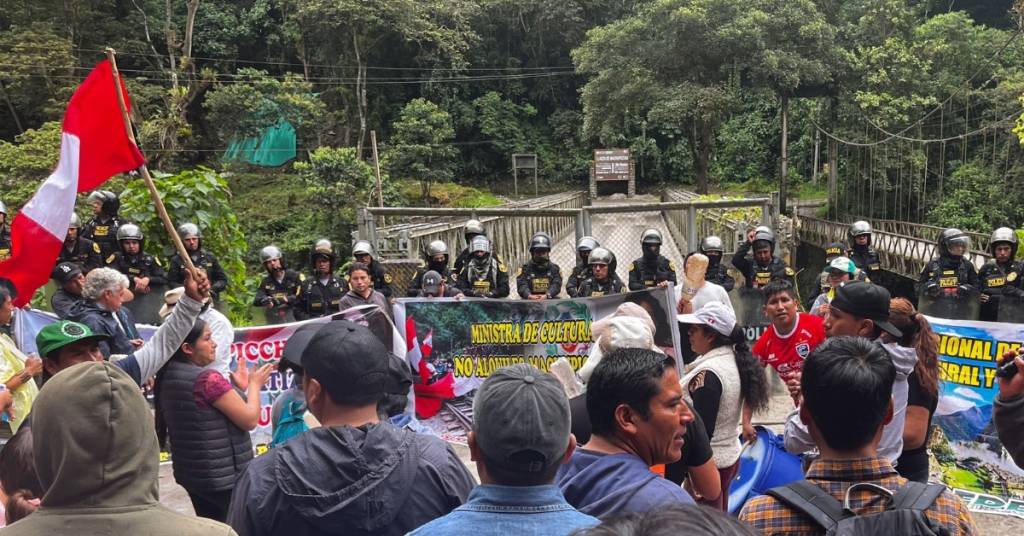
شهدت بلدة «أغواس كالينتيس»، البوابة الرئيسية لموقع ماتشو بيتشو الأثري في بيرو، اضطرابات واسعة بعدما سمحت الحكومة بانتهاء عقد شركة الحافلات القديمة «Consettur» ومنح الامتياز لشركة جديدة من منطقة مجاورة.
أثار القرار غضب السكان المحليين الذين خرجوا في احتجاجات عارمة شلت حركة النقل نحو الموقع السياحي الأشهر في البلاد.
قطارات متوقفة وسيّاح عالقون
لجأ المحتجون إلى قطع خطوط السكك الحديدية عبر وضع الصخور وحفر أجزاء من المسار، ما دفع شركة «بيرو ريل» لتعليق خدماتها بالكامل.
وأدى ذلك إلى إجلاء نحو 1,400 سائح، بينما بقي حوالى 900 آخرين عالقين في «أغواس كالينتيس»، بعضهم اضطر للمبيت في العراء بانتظار وسيلة إنقاذ.
تهديد لمكانة «أعجوبة العالم»
منظمة New7Wonders التي منحت ماتشو بيتشو لقب «إحدى عجائب الدنيا السبع الجديدة»، حذّرت السلطات البيروفية من أن استمرار الأزمة قد يضر بسمعة الموقع عالمياً.
السكان من جهتهم يؤكدون أن احتجاجاتهم ليست سوى صرخة للمطالبة بشفافية وعدالة في توزيع عوائد السياحة، التي تمثّل شريان حياتهم الاقتصادي.
The town of "Aguas Calientes," the main gateway to the Machu Picchu archaeological site in Peru, witnessed widespread unrest after the government allowed the contract of the old bus company "Consettur" to expire and granted the franchise to a new company from a neighboring area.
The decision sparked anger among local residents who took to the streets in massive protests that paralyzed transportation to the country's most famous tourist site.
Stopped Trains and Stranded Tourists
Protesters resorted to blocking railway lines by placing rocks and digging parts of the track, prompting "Peru Rail" to suspend all its services.
This led to the evacuation of about 1,400 tourists, while around 900 others remained stranded in "Aguas Calientes," some of whom were forced to sleep outdoors while waiting for a means of rescue.
Threat to the Status of a "Wonder of the World"
The New7Wonders organization, which awarded Machu Picchu the title of "One of the New Seven Wonders of the World," warned Peruvian authorities that the continuation of the crisis could harm the site's global reputation.
Residents, for their part, assert that their protests are nothing more than a cry for transparency and fairness in the distribution of tourism revenues, which represent the lifeblood of their economy.