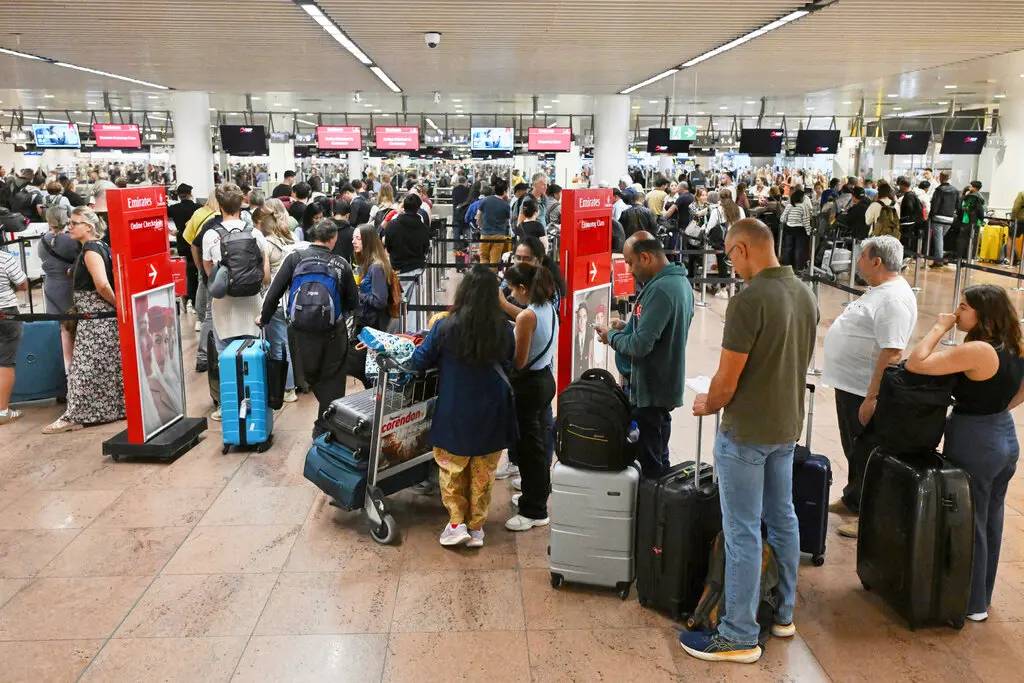
دخل مطار بروكسل يومه الثالث من الاضطراب، بعدما أجبر هجوم إلكتروني أنظمة تسجيل الوصول والصعود إلى الطائرات على التوقف، ما دفع إدارة المطار إلى إلغاء نحو 140 رحلة من أصل 276 كانت مقررة اليوم (الإثنين).
الفوضى لم تقتصر على بروكسل، إذ أعلنت مطارات برلين براندنبورغ، دبلن، وهيثرو تأثرها بالهجوم الذي استهدف أنظمة شركة كولينز إيروسبيس الأمريكية، المزود الرئيسي لتقنيات معالجة بيانات الركاب.
ركاب عالقون وتحذيرات مسبقة
دعا مطار بروكسل المسافرين إلى التحقق من حالة رحلاتهم قبل التوجه إلى المطار، مؤكداً أنه غير قادر حتى الآن على ضمان استعادة أمان برامجه بالكامل.
وتحولت الإجراءات إلى تسجيل يدوي، ما تسبب في طوابير طويلة وتأخيرات وصلت في مطار هيثرو إلى أكثر من ساعة، وفي دبلن إلى نحو 35 دقيقة.
شركات التقنية تحت المجهر
شركة RTX المالكة لكولينز أوضحت أن الهجوم أصاب برنامجها الأساسي MUSE المستخدم من قبل 300 شركة طيران في 100 مطار حول العالم، مشيرة إلى أن الفرق التقنية تعمل على استعادة الأنظمة «بأسرع وقت ممكن».
ورغم إمكانية الاعتماد على الحلول اليدوية مؤقتاً، إلا أن الحادثة كشفت هشاشة أنظمة الطيران أمام الهجمات السيبرانية، وأعادت للأذهان هجمات مشابهة أصابت شركات طيران وجامعات في الشهور الماضية.
Brussels Airport entered its third day of disruption after a cyberattack forced check-in and boarding systems to stop, prompting the airport management to cancel about 140 flights out of 276 scheduled for today (Monday).
The chaos was not limited to Brussels, as Berlin Brandenburg, Dublin, and Heathrow airports announced they were affected by the attack targeting the systems of American company Collins Aerospace, the main provider of passenger data processing technologies.
Stranded Passengers and Advance Warnings
Brussels Airport urged travelers to check the status of their flights before heading to the airport, confirming that it is still unable to guarantee the full restoration of its programs' security.
The procedures turned into manual check-ins, causing long queues and delays that reached over an hour at Heathrow and about 35 minutes in Dublin.
Tech Companies Under Scrutiny
RTX, the parent company of Collins, clarified that the attack affected its core program MUSE, used by 300 airlines in 100 airports worldwide, noting that technical teams are working to restore the systems "as quickly as possible."
Although it is possible to rely on manual solutions temporarily, the incident revealed the vulnerability of aviation systems to cyberattacks, reminding many of similar attacks that affected airlines and universities in recent months.