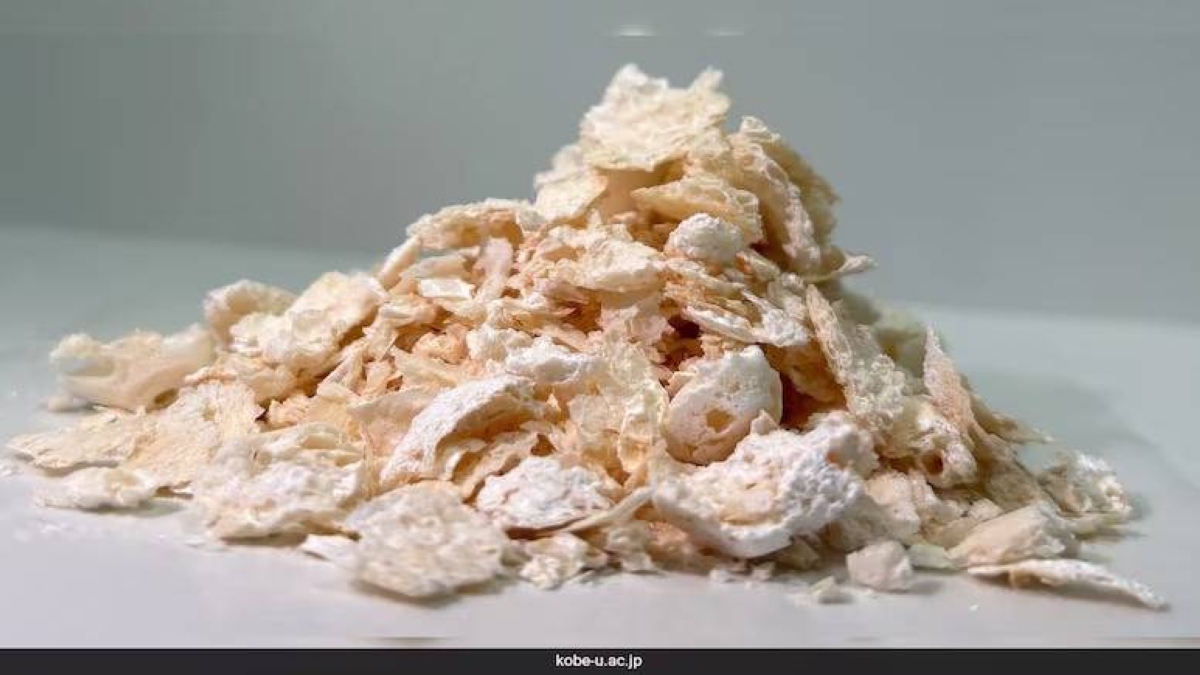
في خطوة قد تغير وجه صناعة البلاستيك العالمية، أعلنت جامعة كوبه اليابانية عن ابتكار بيولوجي ثوري يعتمد على بكتيريا معدلة وراثيا لإنتاج مركب يُدعى حمض البيريدين ثنائي الكربوكسيل، وهو بديل مستدام وقابل للتحلل الحيوي عن البترول في تصنيع المنتجات البلاستيكية.
ويأتي هذا الاكتشاف، الذي نشرته مجلة «Metabolic Engineering» كحل لأزمة التلوث البلاستيكي العالمية، إذ ينتج العالم أكثر من 400 مليون طن من البلاستيك سنويا، معظمها مشتق من البترول وغير قابل للتحلل، مما يهدد المحيطات والحياة البرية.
ويعتمد إنتاج البلاستيك التقليدي، خصوصا بولي إيثيلين تيرفثالات المستخدم في الزجاجات والملابس والتعبئة، على حمض التيريفتاليك المشتق من البترول، وهذا الاعتماد يجعل الصناعة عرضة لتقلبات أسعار الوقود الأحفوري، ويولد نفايات سامة وغازات دفيئة تساهم في تغير المناخ.
ووفقا لتقارير الأمم المتحدة، يتراكم 8 ملايين طن من البلاستيك في المحيطات سنويا، مما يهدد بموت 1 مليون طائر بحري و100 ألف حيوان بحري بحلول عام 2050.
وفي اليابان، التي تواجه ضغوطا بيئية كبيرة بسبب كثافتها السكانية، أصبحت الابتكارات المستدامة أولوية وطنية، مدعومة بميزانية بحثية تصل إلى مليارات الدولارات من خلال وكالة العلوم والتكنولوجيا اليابانية.
20
بكتيريا تحول الجلوكوز إلى بلاستيك أخضر
قاد الابتكار فريق من الباحثين في جامعة كوبه، بقيادة الأستاذ تسوتومو تاناكا، الذي قال: «معظم الإستراتيجيات الحيوية تركز على الجزيئات المكونة من الكربون والأكسجين والهيدروجين، لكن الابتكار الجديد يدمج النيتروجين، مما يمنحه خصائص فيزيائية تفوق بالولي إيثيلين في بعض الجوانب، مثل القوة والمرونة».
وتعتمد العملية في الابتكار الياباني الجديد على بكتيريا الإشريكية القولونية المعدلة وراثيا لتحويل الجلوكوز -مصدر سكري طبيعي- إلى حمض البيريدين ثنائي الكربوكسيل عبر مسار أيضي يشمل إنزيمات من عملية التمثيل الغذائي للنيتروجين، إذ في السابق، كان إنتاج مادة البيريدين محدودا بسبب انخفاض الكفاءة وتكوين مركبات ملوثة مثل بيروكسيد الهيدروجين، الذي يدمر الإنزيمات.
نجاح اقتصادي وكيميائي
نجح الفريق الياباني في تجاوز هذه العقبات بإضافة جزيئات «مضادة للأكسدة» لإزالة السموم، وتعديل ظروف الزراعة في المفاعلات الحيوية، حتى كانت النتيجة إنتاج يصل إلى 7 أضعاف السابق دون أي نفايات سامة، مما يجعل العملية فعالة اقتصاديا وصديقة للبيئة، مما يقلل الاعتماد على الطاقة العالية المستخدمة في الطرق الكيميائية التقليدية.
ويخطط الفريق لتجارب ميدانية في السنوات القادمة، مع شراكات محتملة مع شركات مثل تويوتا أو سوني لدمج مادة الابتكار في المنتجات الاستهلاكية، وإذا نجح، قد يقلل هذا الابتكار من انبعاثات الكربون بنسبة 50% في صناعة البلاستيك، ويفتح أسواقا جديدة للمواد الحيوية بقيمة تصل إلى 100 مليار دولار بحلول 2030.
In a move that could change the face of the global plastic industry, Kobe University in Japan has announced a revolutionary biological innovation that relies on genetically modified bacteria to produce a compound called 2,5-pyridine dicarboxylic acid, which is a sustainable and biodegradable alternative to petroleum in the manufacturing of plastic products.
This discovery, published in the journal "Metabolic Engineering," comes as a solution to the global plastic pollution crisis, as the world produces more than 400 million tons of plastic annually, most of which is derived from petroleum and is non-biodegradable, threatening oceans and wildlife.
Traditional plastic production, especially polyethylene terephthalate used in bottles, clothing, and packaging, relies on terephthalic acid derived from petroleum. This dependency makes the industry susceptible to fluctuations in fossil fuel prices and generates toxic waste and greenhouse gases that contribute to climate change.
According to United Nations reports, 8 million tons of plastic accumulate in the oceans each year, threatening the lives of 1 million seabirds and 100,000 marine animals by 2050.
In Japan, which faces significant environmental pressures due to its population density, sustainable innovations have become a national priority, supported by a research budget reaching billions of dollars through the Japan Science and Technology Agency.
20
Bacteria that Convert Glucose into Green Plastic
The innovation is led by a team of researchers at Kobe University, headed by Professor Tsutomu Tanaka, who stated: "Most biotechnological strategies focus on molecules composed of carbon, oxygen, and hydrogen, but the new innovation incorporates nitrogen, giving it physical properties that surpass polyethylene in some aspects, such as strength and flexibility."
The process in this new Japanese innovation relies on genetically modified Escherichia coli bacteria to convert glucose—a natural sugar source—into 2,5-pyridine dicarboxylic acid through a metabolic pathway involving enzymes from nitrogen metabolism. Previously, the production of pyridine was limited due to low efficiency and the formation of polluting compounds such as hydrogen peroxide, which destroys enzymes.
Economic and Chemical Success
The Japanese team succeeded in overcoming these obstacles by adding "antioxidant" molecules to detoxify and modifying the cultivation conditions in bioreactors, resulting in production that reaches up to 7 times the previous amount without any toxic waste, making the process economically efficient and environmentally friendly, thereby reducing reliance on the high energy used in traditional chemical methods.
The team plans to conduct field trials in the coming years, with potential partnerships with companies like Toyota or Sony to integrate the innovative material into consumer products. If successful, this innovation could reduce carbon emissions by 50% in the plastic industry and open new markets for bio-based materials worth up to $100 billion by 2030.