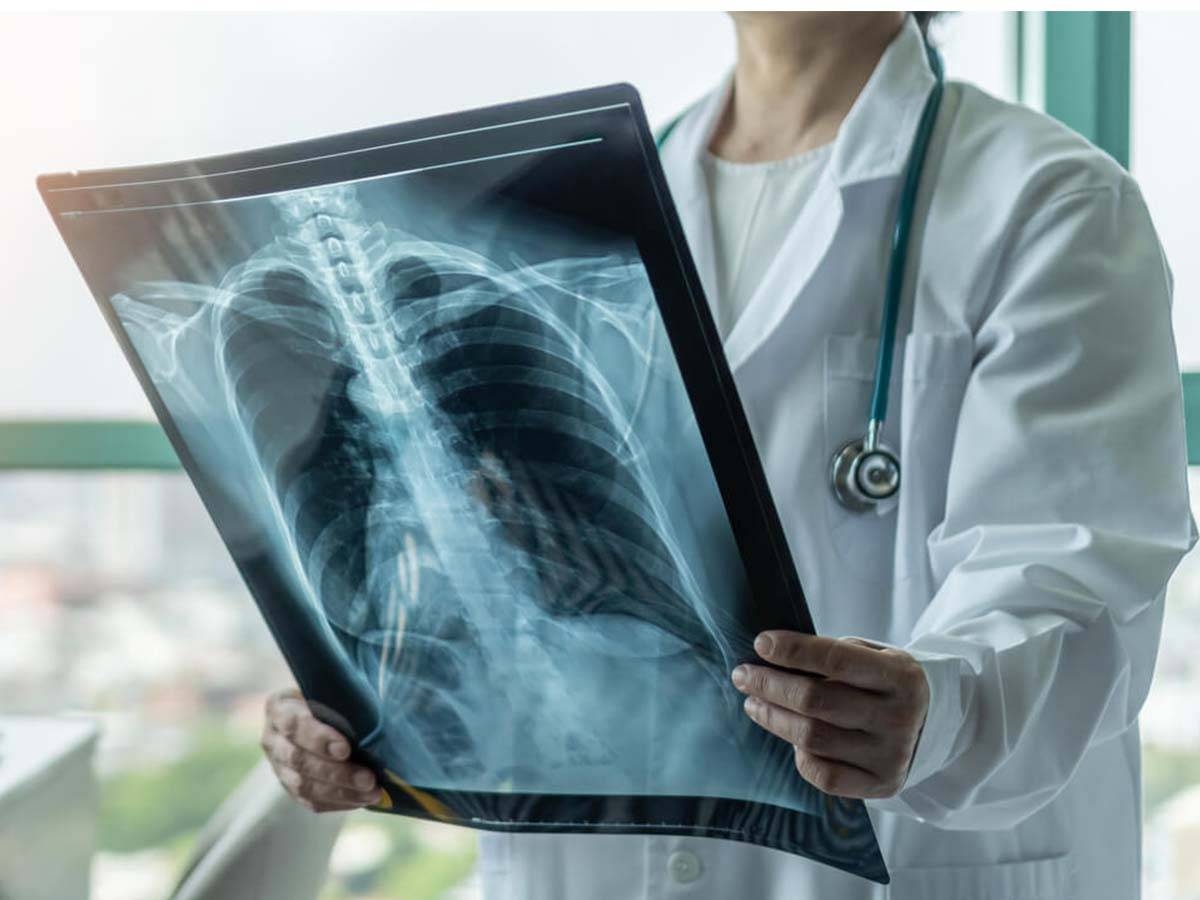
نجح علماء روس من جامعة بيلغورود، في تطوير جهاز أشعة سينية بحجم الهاتف الذكي، وقد حددوا الشروط التي تضمن استقرار الجهاز المحمول ومتانته.
ويعود الحجم الكبير لأجهزة الأشعة السينية الطبية والصناعية إلى ضخامة مكوناتها الداخلية: أنبوب الأشعة السينية، الذي يولد الإشعاع عند تطبيق جهد عال، والكاشف الموضوع داخل غلاف واقٍ.
وقالت الجامعة إن هذا يصعب نقل هذه الأجهزة لضخامتها، ويستهلك كميات كبيرة من الكهرباء، وتتيح زيادة حجم الأنبوب زيادة قوة الأشعة السينية وقدرتها على الاختراق، بينما يمكن الكاشف من التقاط إشارات أكثر والحصول على صورة دقيقة للجسم المراد فحصه، ومع ذلك، في العديد من تطبيقات التشخيص الطبي وتحليل المواد، لا حاجة لتحسين هذه الخصائص، كما أشار أندريه أولينيك الأستاذ المشارك في قسم الفيزياء النظرية والتجريبية في جامعة بيلغورود الحكومية.
وحدد العلماء الظروف التي تمكن بلورة تانتالات الليثيوم (LiTaO3) ذات قطر 1 سم من توليد أشعة سينية بشكل مستقر وقابل للتكرار، بطاقة كافية للأغراض الطبية، عند رفع درجة الحرارة بمقدار 10 إلى 20 درجة مئوية في الفراغ، تصبح هذه البلورات مصادر لحقل كهربائي قوي، ما يؤدي إلى توليد الأشعة السينية.
وأضاف أولينيك: «لقد وجدنا العامل المسؤول عن نجاحنا، قانون التغير الدوري في درجة حرارة البلورة، الذي يشبه شكل الجيب، يسمح هذا القانون بتغييرات سلسة في سعة المجال المولد، ويقلل بشكل كبير من احتمالية حدوث أعطال كهربائية، والتي قد تؤدي إلى عدم الاستقرار، إن الضبط الدقيق للهندسة التجريبية، وضغط الغاز المتبقي، وقانون تغير درجة الحرارة يسمح لنا بتحقيق تشغيل مستقر، أو على العكس، الانزلاق إلى حالة عدم استقرار».
وأشار إلى أنه قبل نحو 20 عاما، طرح مصدر أشعة سينية مشابه، والذي أثار ضجة قصيرة نظرا لوظيفته، ومصدر طاقته من بطارية 9 فولت، وحجمه الذي يفوق علبة الثقاب بقليل، ومع ذلك، وبسبب عدم استقرار الإشعاع، توقف إنتاج هذه المصادر بعد بضع سنوات، ولم يحاول أحد إنتاج مصادر كهربائية حرارية أخرى، معتبرا إياها غير فعالة وغير قابلة للتحكم.
وتابع أولينيك: «لقد وضعنا لأنفسنا هدفا يتمثل في القضاء على أسباب عدم استقرار توليد الجسيمات، وقد نجحنا في ذلك. لكننا الآن بحاجة إلى تحويل هذه المبادئ إلى شكل مدمج للاستخدام العملي خارج المختبر، يمكن أن تكون هذه الأجهزة ركيزة أساسية في سيارات الإسعاف، وغرف الطوارئ، ومسابك الصلب، وحتى في صناعة المجوهرات».
Russian scientists from Belgorod University have succeeded in developing a smartphone-sized X-ray device, and they have identified the conditions that ensure the stability and durability of the portable device.
The large size of medical and industrial X-ray machines is due to the bulk of their internal components: the X-ray tube, which generates radiation when a high voltage is applied, and the detector placed inside a protective casing.
The university stated that this makes it difficult to transport these devices due to their size, and they consume large amounts of electricity. Increasing the size of the tube enhances the power of the X-rays and their penetration capability, while the detector allows for capturing more signals and obtaining an accurate image of the body to be examined. However, in many applications of medical diagnostics and material analysis, there is no need to improve these properties, as noted by Andrei Olinnik, an associate professor in the Department of Theoretical and Experimental Physics at Belgorod State University.
The scientists identified the conditions that enable lithium tantalate (LiTaO3) crystals with a diameter of 1 cm to generate X-rays in a stable and repeatable manner, with sufficient energy for medical purposes. When the temperature is raised by 10 to 20 degrees Celsius in a vacuum, these crystals become sources of a strong electric field, leading to the generation of X-rays.
Olinnik added, “We found the factor responsible for our success, the law of periodic temperature change in the crystal, which resembles a sinusoidal shape. This law allows for smooth changes in the generated field's capacity and significantly reduces the likelihood of electrical failures, which could lead to instability. The precise tuning of the experimental setup, the residual gas pressure, and the temperature change law allow us to achieve stable operation, or conversely, to slip into a state of instability.”
He pointed out that about 20 years ago, a similar X-ray source was proposed, which caused a brief stir due to its functionality, powered by a 9-volt battery and slightly larger than a matchbox. However, due to the instability of the radiation, the production of these sources ceased after a few years, and no one attempted to produce other thermal electric sources, considering them ineffective and uncontrollable.
Olinnik continued, “We set ourselves the goal of eliminating the causes of instability in particle generation, and we succeeded in that. But now we need to translate these principles into a compact form for practical use outside the laboratory. These devices could be a fundamental pillar in ambulances, emergency rooms, steel foundries, and even in the jewelry industry.”