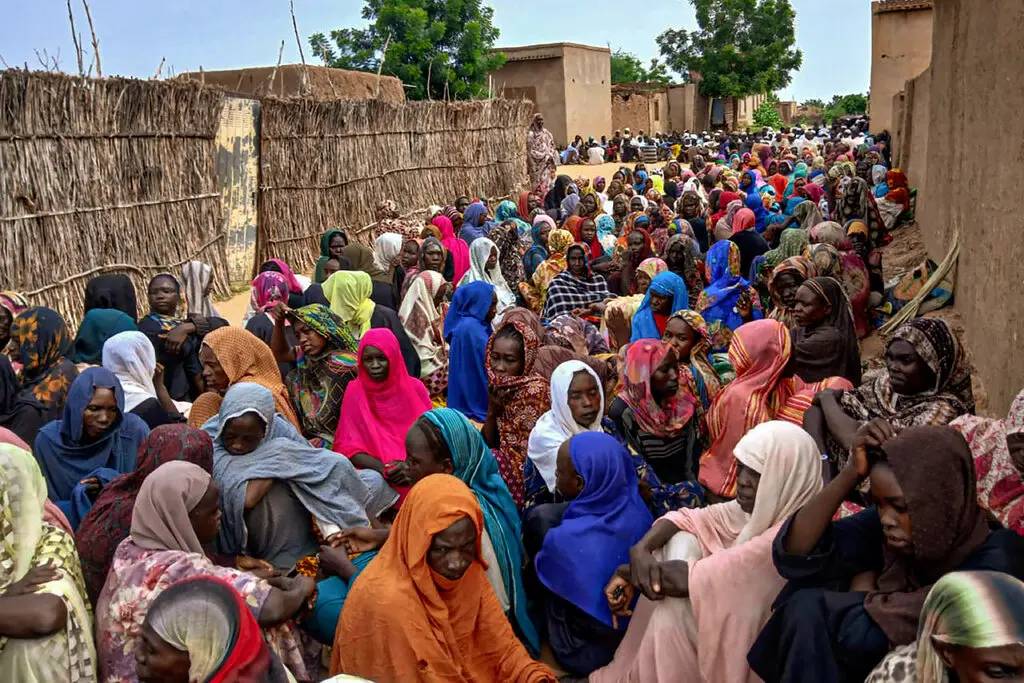
تشهد مدينة الفاشر في إقليم دارفور السوداني واحدة من أسوأ المآسي الإنسانية في العالم. منذ أكثر من عام ونصف العام، يفرض حصار على المدينة، ما أجبر نحو 260 ألف شخص على مواجهة خيار مأساوي: البقاء ومواجهة المجاعة والقصف أو الهروب ومواجهة القتل والاغتصاب.
وقال الدكتور عمر سليلك لصحيفة نيويورك تايمز: «حتى نحن نأكل أعلاف الحيوانات، ولا يوجد بديل»، موضحًا أن الأطفال المصابين بسوء التغذية يصلون إلى المستشفى الأخير في المدينة يوميًا، فيما لا يوجد سوى أعلاف الماشية لإطعامهم.
المستشفيات تحت القصف
من بين نحو 200 مرفق طبي كانت تعمل قبل الحرب، يبقى المستشفى السعودي، وقد تعرض للقصف أكثر من 30 مرة. أسوأ الهجمات كانت في يناير عندما استهدفت طائرة مسيرة جناحًا مزدحمًا، ما أدى إلى مقتل 70 مريضًا وموظفًا.
ويضطر الأطباء الآن إلى العمل في خنادق، ويعتمدون على أعلاف حيوانية تعرف محليًا باسم أمباز، رغم خطورتها لاحتوائها على الفطريات، ما أدى إلى وفاة 18 شخصًا على الأقل في الأسابيع الأخيرة.
معاناة على طرق الهروب
الطريق إلى تويلا، حيث يوجد أكثر من 600 ألف لاجئ، محفوف بالمخاطر. فالشبان الذين يحاولون الفرار عبر الساتر الترابي يتعرضون للقتل والاغتصاب والنهب بحسب مزاعمهم، فيما تنتشر المقابر العشوائية والأجساد المتروكة على الطرقات.
وتستقبل المستشفيات في تويلا نحو 40 ضحية اغتصاب أسبوعيًا، وهو رقم يُرجح أنه أقل بكثير من الواقع الفعلي، بحسب منظمة أطباء بلا حدود.
تدخلات دولية وأزمة غذائية
تسببت الهجمات على قوافل الغذاء التابعة للأمم المتحدة، التي لم تتمكن من الوصول للمدينة منذ أكثر من عام، في تفاقم الأزمة. فالهجمات مستمرة على القوافل، وبعضها باستخدام الطائرات المسيرة، وقد أودت بحياة عدد من عمال الإغاثة ودمرت شاحنات محملة بالطعام.
تحذيرات دولية
ووصفت منظمات حقوق الإنسان ما يحدث في الفاشر بأنها جرائم ضد الإنسانية، في حين تواصل المجاعة والتفشي السريع للأمراض مثل الكوليرا تهديد السكان.
ومن داخل المدينة المحاصرة، قالت سلوى أحمد: «لا نعرف إذا كان زوجي حيًا أو ميتًا، فكل شيء أصبح غامضًا ومرعبًا»، مؤكدة أن السكان يعيشون بين القصف والمجاعة والاغتصاب.
The city of El Fasher in the Sudanese region of Darfur is witnessing one of the worst humanitarian tragedies in the world. For more than a year and a half, a siege has been imposed on the city, forcing about 260,000 people to face a tragic choice: stay and face famine and bombardment or flee and face death and rape.
Dr. Omar Selik told the New York Times, "Even we are eating animal feed, and there is no alternative," explaining that children suffering from malnutrition arrive at the last hospital in the city daily, while there is only livestock feed to feed them.
Hospitals Under Bombardment
Of the nearly 200 medical facilities that were operational before the war, the Saudi hospital remains, having been bombed more than 30 times. The worst attacks occurred in January when a drone targeted a crowded wing, resulting in the deaths of 70 patients and staff.
Doctors are now forced to work in trenches, relying on animal feed known locally as "Ambaz," despite its dangers due to containing fungi, which has led to the deaths of at least 18 people in recent weeks.
Suffering on Escape Routes
The road to Tawila, where more than 600,000 refugees are located, is fraught with danger. Young men attempting to escape through the earthen barrier face killing, rape, and looting according to their claims, while makeshift graves and bodies are left on the roads.
Hospitals in Tawila receive about 40 rape victims weekly, a number that is likely much lower than the actual reality, according to Doctors Without Borders.
International Interventions and Food Crisis
Attacks on United Nations food convoys, which have been unable to reach the city for more than a year, have exacerbated the crisis. Attacks on the convoys continue, some using drones, resulting in the deaths of several relief workers and the destruction of trucks loaded with food.
International Warnings
Human rights organizations have described what is happening in El Fasher as crimes against humanity, while famine and the rapid spread of diseases such as cholera continue to threaten the population.
From within the besieged city, Salwa Ahmed said, "We do not know if my husband is alive or dead; everything has become mysterious and terrifying," confirming that residents live between bombardment, famine, and rape.