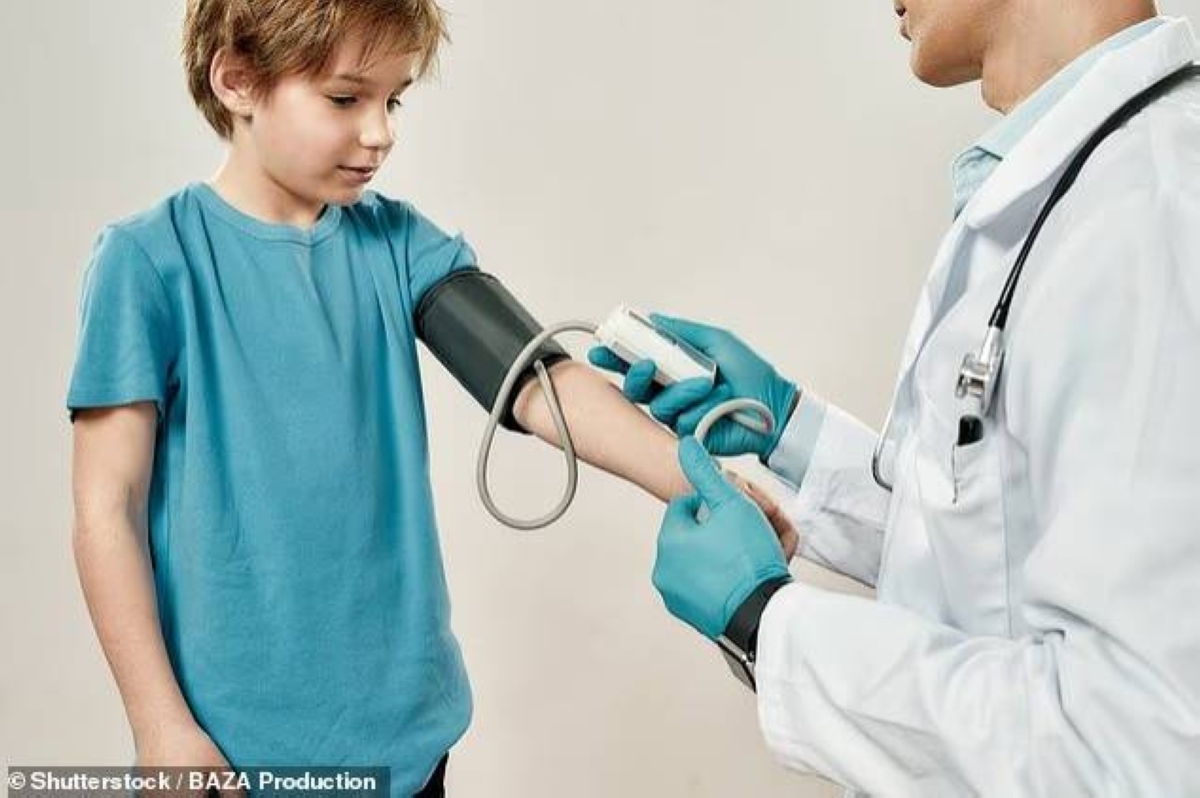
حذّر خبراء من أن الأطفال بحاجة إلى فحص دوري لضغط الدم للوقاية من أمراض القلب الفتاكة في منتصف العمر، إذ كشفت دراسة حديثة عن وجود علاقة بين ارتفاع ضغط الدم لدى الأطفال في سن السابعة وزيادة خطر الوفاة بأمراض القلب والأوعية الدموية بنسبة تصل إلى 50% على مدى الـ50 عاما التالية.
مؤشر لصحة القلب
ونُشرت النتائج في مجلة «JAMA» وقُدمت في جلسات الجمعية الأمريكية للقلب العلمية لارتفاع ضغط الدم 2025 في بالتيمور، فيما علقت البروفيسورة بونيتا فالكنر من جامعة توماس جيفرسون: «تدعم هذه الدراسة أهمية مراقبة ضغط الدم كمؤشر رئيسي لصحة القلب في الطفولة».
وفي المملكة المتحدة لا يتم فحص ضغط الدم للأطفال بشكل روتيني ضمن برنامج فحص وطني، لكن الباحثين أكدوا أن نتائجهم تبرز أهمية مراقبة ضغط الدم لدى الأطفال لتعزيز عادات صحية للقلب منذ الصغر، بحسب صحيفة «ديلي ميل».
38 ألف طفل خضعوا لقياس الضغط
وحلّل الفريق البحثي بيانات 38 ألف طفل خضعوا لقياس ضغط الدم في سن السابعة ضمن دراسة أمريكية طويلة الأمد، وبعد متابعة استمرت 54 عاما في المتوسط، تبين أن الأطفال الذين سجلوا ضغط دم مرتفعا في هذه السن كانوا أكثر عرضة للوفاة المبكرة بأمراض القلب بحلول منتصف الخمسينات، وكان الخطر أعلى لدى الأطفال الذين كانت قياسات ضغط دمهم ضمن أعلى 10% لأعمارهم وجنسهم وطولهم.
وقالت الدكتورة أليكسا فريدمان من جامعة نورثويسترن في شيكاغو: «فوجئنا بأن ارتفاع ضغط الدم في الطفولة مرتبط بمشكلات صحية خطيرة بعد سنوات عديدة، فقد يزيد ارتفاع ضغط الدم لدى الأطفال من مخاطر الوفاة بنسبة 40 إلى 50% خلال العقود الخمسة التالية».
مخاطر أعلى للوفاة
وتدعم هذه النتائج أبحاثا سابقة أظهرت أن الأطفال الأكبر سنا (بمتوسط 12 عاما) الذين يعانون من ارتفاع ضغط الدم لديهم مخاطر أعلى للوفاة بأمراض القلب بحلول سن 46.
وأضافت الدكتورة فريدمان: «حتى في الطفولة، تكون قياسات ضغط الدم مهمة لأن ارتفاعه قد يؤدي إلى عواقب وخيمة طوال الحياة».
وتوصي الأكاديمية الأمريكية لطب الأطفال بفحص ضغط الدم سنويا بدءا من سن الثالثة، بينما في المملكة المتحدة يتم الفحص فقط إذا كان هناك سبب طبي محدد.
ووفقا للجنة الفحص الوطنية في المملكة المتحدة، لا يُوصى حاليا بفحص ضغط الدم للأطفال بسبب ندرة الحالات ونقص الاختبارات الدقيقة، إضافة إلى عدم وضوح كيفية الوقاية من المضاعفات طويلة الأمد.
Experts have warned that children need regular blood pressure checks to prevent fatal heart diseases in middle age, as a recent study revealed a link between high blood pressure in seven-year-old children and an increased risk of dying from cardiovascular diseases by up to 50% over the following 50 years.
Indicator of Heart Health
The results were published in the journal "JAMA" and presented at the American Heart Association's scientific sessions on hypertension 2025 in Baltimore. Professor Bonita Falkner from Thomas Jefferson University commented: "This study supports the importance of monitoring blood pressure as a key indicator of heart health in childhood."
In the United Kingdom, blood pressure is not routinely checked in children as part of a national screening program, but researchers emphasized that their findings highlight the importance of monitoring blood pressure in children to promote healthy heart habits from a young age, according to the "Daily Mail."
38,000 Children Underwent Blood Pressure Measurement
The research team analyzed data from 38,000 children who had their blood pressure measured at the age of seven as part of a long-term American study. After an average follow-up of 54 years, it was found that children who recorded high blood pressure at this age were more likely to die early from heart diseases by their mid-fifties, with the risk being higher among those whose blood pressure measurements were in the highest 10% for their age, gender, and height.
Dr. Alexa Friedman from Northwestern University in Chicago said: "We were surprised that high blood pressure in childhood is linked to serious health problems many years later, as elevated blood pressure in children may increase the risk of death by 40 to 50% over the next five decades."
Higher Risks of Death
These findings support previous research showing that older children (averaging 12 years old) with high blood pressure have a higher risk of dying from heart diseases by age 46.
Dr. Friedman added: "Even in childhood, blood pressure measurements are important because high levels can lead to severe consequences throughout life."
The American Academy of Pediatrics recommends annual blood pressure checks starting at age three, while in the United Kingdom, screening is only conducted if there is a specific medical reason.
According to the National Screening Committee in the UK, blood pressure checks for children are not currently recommended due to the rarity of cases and the lack of accurate tests, as well as the unclear ways to prevent long-term complications.