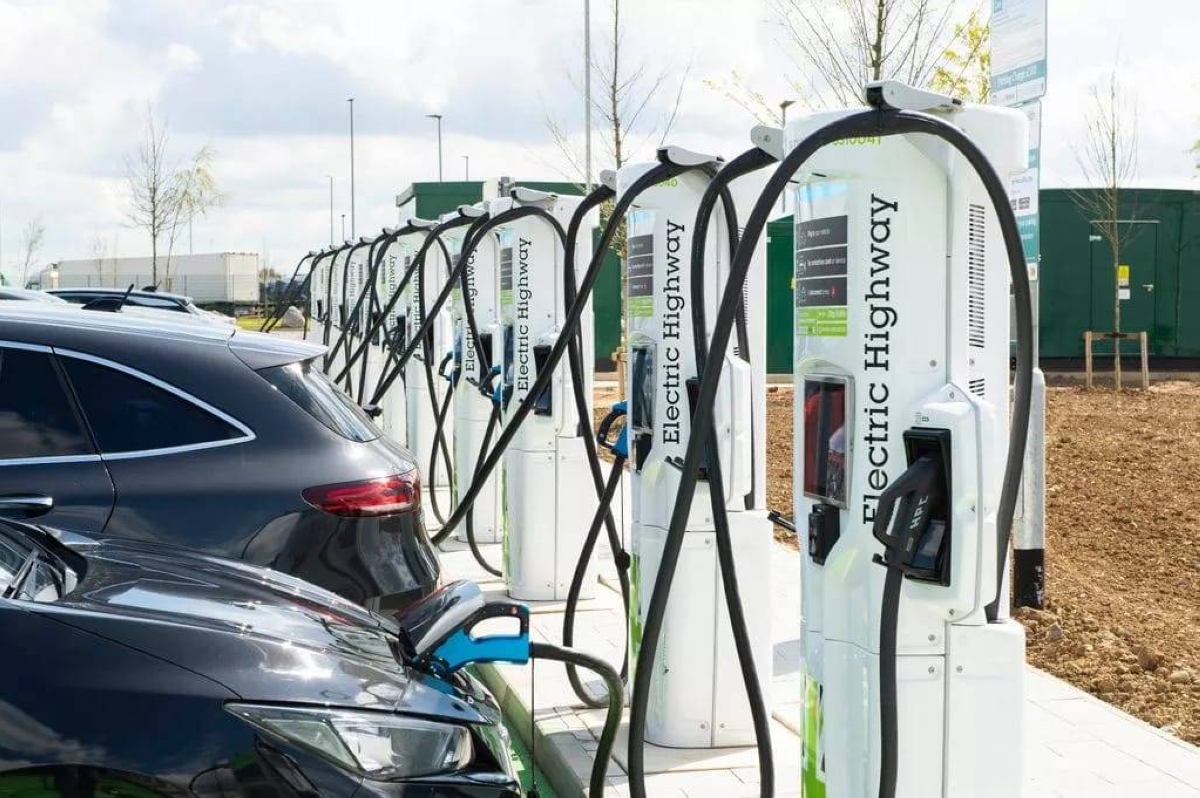
كشفت دراسة أجرتها مجلة «What Car?» البريطانية عن تأثير الحرارة الشديدة على أداء السيارات الكهربائية، إذ أظهرت النتائج انخفاضا في مدى البطارية وصل إلى نحو النصف مقارنة بالأرقام الرسمية. وأُجريت الاختبارات في جنوب إسبانيا خلال موجة حارة راوحت درجاتها بين 32 و44 مئوية، لتسلط الضوء على التحديات التي تواجه السيارات الكهربائية في الظروف المناخية القاسية.
3 سيارات تحت التجربة
شمل الاختبار 3 طرازات شعبية هي: سيتروين e-C3 Max، وكيا EV3 Long Range GT-Line S، وتسلا موديل 3 Long Range Rear-Wheel Drive. وقاد الخبراء السيارات لمسافة تجاوزت 300 كيلومتر عبر مسار انطلق من إشبيلية مرورا بقرطبة ومونتورو وصولا إلى أغوادولسي على الساحل الجنوبي.
وأظهرت النتائج تراجعا في أداء البطاريات بمعدل متوسط بلغ 35%، متفوقا على الانخفاض الذي سجلته اختبارات الطقس البارد (30%). فقد سجلت سيتروين e-C3 انخفاضا بـ29%، بينما تراجعت كيا EV3 بنسبة 32%، وكانت تسلا موديل 3 الأكثر تأثرا بانخفاض 44% عن المدى الرسمي.
الكفاءة في صالح تسلا رغم التراجع
ورغم الخسارة في مدى البطارية، حققت تسلا أفضل معدل كفاءة كهربائية بـ3.0 ميل/كيلوواط ساعة، متفوقة على كيا (2.9) وسيتروين (2.7). وأوضح محرر المراجعات في «What Car?»، ويل نايتنجيل، أن تشغيل التكييف المستمر، خصوصا مع الأسقف الزجاجية كما في تسلا، يزيد من استهلاك الطاقة ويحوّل السيارة إلى ما يشبه «دفيئة» في الأجواء الحارة.
إشكالية الشحن البطيء في الحر
لاحظ فريق الاختبار أن الحرارة المرتفعة تؤخر عملية الشحن، إذ استغرق شحن سيتروين e-C3 من 3% إلى 80% أكثر من ساعة بدلا من 48 دقيقة. وأكد الخبراء أن هذه النتائج، رغم ندرة درجات حرارة تفوق 40 مئوية في بريطانيا، أصبحت ذات أهمية مع تزايد موجات الحر عالميا.
توقعات مستقبلية للتكنولوجيا
أعرب الخبراء عن أملهم في تطوير تقنيات بطاريات أكثر قدرة على مقاومة الظروف المناخية القاسية، بما يضمن كفاءة أكبر للسيارات الكهربائية في مواجهة التحديات البيئية القادمة.
A study conducted by the British magazine "What Car?" revealed the impact of extreme heat on the performance of electric vehicles, showing that the results indicated a reduction in battery range of nearly half compared to official figures. The tests were conducted in southern Spain during a heatwave with temperatures ranging from 32 to 44 degrees Celsius, highlighting the challenges faced by electric cars in extreme weather conditions.
3 Cars Under Test
The test included 3 popular models: Citroën e-C3 Max, Kia EV3 Long Range GT-Line S, and Tesla Model 3 Long Range Rear-Wheel Drive. Experts drove the cars over a distance of more than 300 kilometers along a route that started from Seville, passing through Córdoba and Montoro, reaching Aguadulce on the southern coast.
The results showed a decline in battery performance with an average drop of 35%, surpassing the decrease recorded in cold weather tests (30%). The Citroën e-C3 recorded a decrease of 29%, while the Kia EV3 fell by 32%, and the Tesla Model 3 was the most affected with a drop of 44% from the official range.
Efficiency in Favor of Tesla Despite the Decline
Despite the loss in battery range, Tesla achieved the best electric efficiency rate of 3.0 miles/kWh, outperforming Kia (2.9) and Citroën (2.7). Will Nightingale, the reviews editor at "What Car?", explained that continuous air conditioning, especially with glass roofs as in Tesla, increases energy consumption and turns the car into something resembling a "greenhouse" in hot weather.
The Issue of Slow Charging in Heat
The test team noted that high temperatures delay the charging process, with charging the Citroën e-C3 from 3% to 80% taking over an hour instead of 48 minutes. Experts confirmed that these results, despite the rarity of temperatures exceeding 40 degrees Celsius in Britain, have become significant with the increasing global heatwaves.
Future Predictions for Technology
Experts expressed hope for the development of battery technologies that are more capable of withstanding extreme weather conditions, ensuring greater efficiency for electric vehicles in facing upcoming environmental challenges.