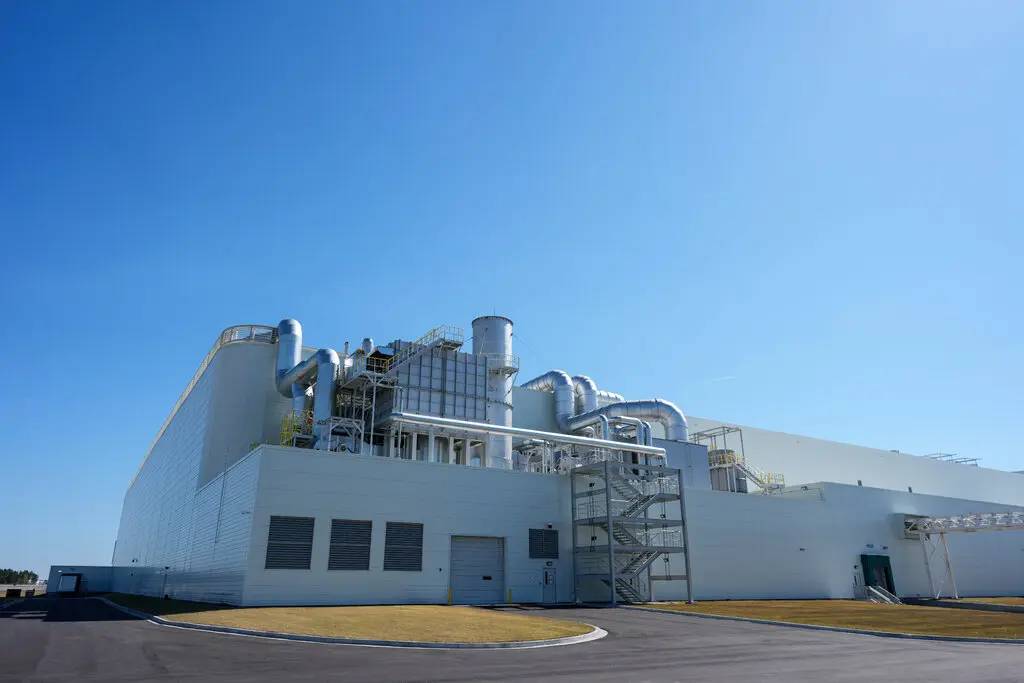
أثارت السلطات الأمريكية جدلاً واسعاً بعد مداهمة موقع إنشاء مصنع مشترك لشركتي هيونداي وإل جي في إلابيل جورجيا، واعتقال 475 مواطناً كوريّاً جنوبياً بزعم وجودهم بشكل غير قانوني أو عملهم بدون تصاريح مناسبة.
وبحسب صحيفة نيويورك تايمز، فإن الموظفين معظمهم عاملون عبر مقاولين فرعيين للمساعدة في بناء مصنع بطاريات السيارات الكهربائية، بينما أكدت الشركتان أن موظفيهما المباشرين لم يكونوا بين المعتقلين، باستثناء 47 موظفًا من إل جي كانوا في مهام تقنية قانونية.
ردود فعل كوريا الجنوبية
أرسلت الحكومة الكورية دبلوماسيين إلى الموقع، وأبدى وزير الخارجية تشو هيون قلقه البالغ، مؤكداً أنه قد يسافر إلى واشنطن إذا لزم الأمر لمتابعة القضية. ووصفت الصحف المحلية المداهمة بأنها صادمة وقد تؤثر على استثمارات الشركات الكورية في الولايات المتحدة.
وتأتي الحادثة في وقت حساس من العلاقات التجارية بين البلدين، بعد توقيع الرئيس لي جاي-ميونغ والرئيس الأمريكي اتفاقية تجارة واسعة، واستثمار كوري بقيمة مئات مليارات الدولارات في مشاريع أمريكية، في حين تفرض الإدارة الأمريكية قيوداً صارمة على التأشيرات وتزيد الرسوم الجمركية.
The U.S. authorities sparked widespread controversy after raiding the site of a joint factory being established by Hyundai and LG in Ellaville, Georgia, and arresting 475 South Korean citizens on the grounds of their illegal presence or working without proper permits.
According to the New York Times, most of the employees were working through subcontractors to assist in building the electric vehicle battery factory, while the two companies confirmed that their direct employees were not among those arrested, except for 47 LG employees who were on legitimate technical assignments.
Reactions from South Korea
The South Korean government sent diplomats to the site, and Foreign Minister Park Jin expressed his deep concern, stating that he may travel to Washington if necessary to follow up on the case. Local newspapers described the raid as shocking and noted that it could affect Korean companies' investments in the United States.
This incident comes at a sensitive time in trade relations between the two countries, following the signing of a broad trade agreement between President Yoon Suk-yeol and the U.S. president, and a South Korean investment worth hundreds of billions of dollars in American projects, while the U.S. administration imposes strict visa restrictions and increases tariffs.