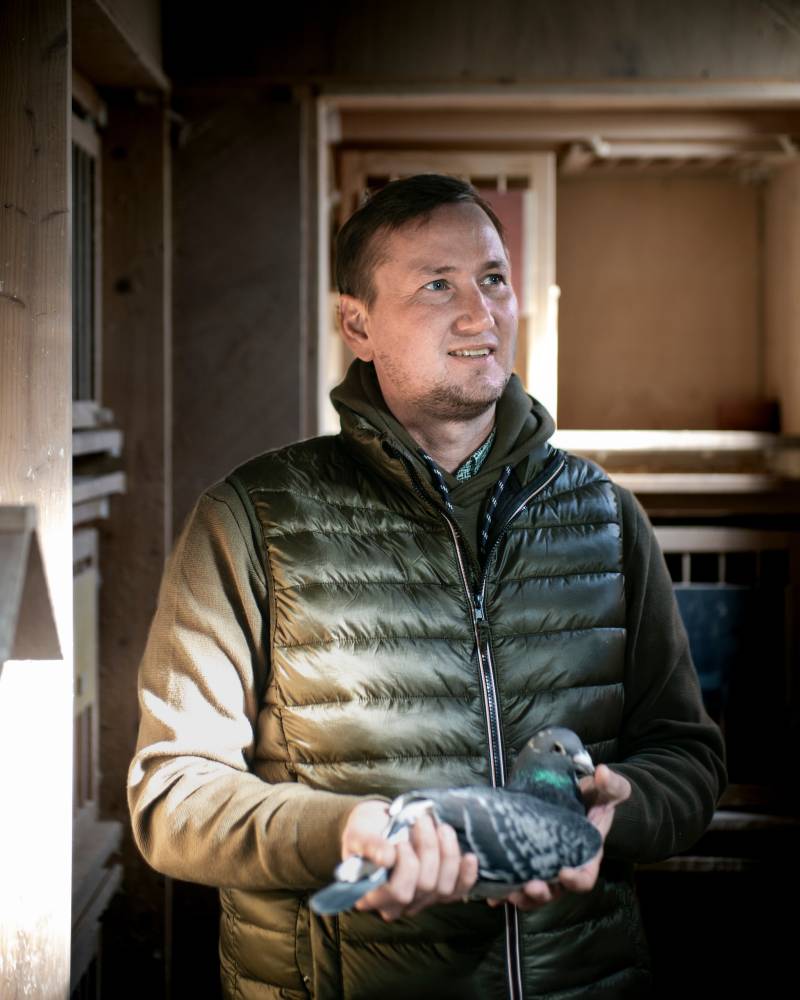
في الريف البلجيكي، اجتمع عشاق الحمام الزاجل لممارسة هوايتهم التي تحولت أخيرا إلى تجارة مربحة للغاية. توماس فان جافر يربي حمام منذ طفولته، وكان يمتلك أحد أسرع الحمام في البلاد، ويعتبر أحد أبرز هواة السباقات الوطنية. لكن شعبيته بين المستثمرين الأثرياء من الصين جعلت حمامه الأكثر تميزًا (فين) هدفًا مرغوبًا ومكلفًا للغاية.
بدأت الأزمة في 2019، عندما دفع رجال أعمال صينيون ملايين الدولارات لشراء أفضل الحمام البلجيكي. وفي غضون سنوات تحولت السباقات إلى رموز للثروة والترف في المدن الصينية، مع جوائز مالية تتجاوز 100 مليون دولار، لتصبح هواية بسيطة مصدرًا للربح العالمي.
ثم حدثت الجرائم وفقا لصحيفة واشنطن بوست: ففي نوفمبر اقتحم مجهولون منازل مربي الحمام في بلجيكا وهولندا، واستهدفوا بعناية الحمام الأفضل، وسرقوا مئات الطيور. وكان أحد هذه الطيور (فين)، محبوبا للغاية لدى فان جافر، ولم يتم العثور عليه حتى الآن.وكشفت التحقيقات أن جزءًا من هذه السرقات كان داخليًا، إذ أعطى بعض هواة السباقات الضوء الأخضر للعصابات. ومع انتشار عمليات البيع غير القانونية في آسيا، أصبح من الصعب تتبع الطيور المسروقة. وفي مارس، ألقت الشرطة البلجيكية القبض على دورو أيونيكا، المتورط في السرقات، واستعادت 69 طائرًا في رومانيا. ومع ذلك، يبقى العديد من الحمام المفقود، ويأمل فان جافر بأن تتذكر الطيور طريقها إلى منازلها الأصلية.
وتوضح هذه القضية كيف يمكن لهواية بريئة أن تتحول إلى تجارة دولية معقدة، حيث يمتزج الترف بالجرائم المنظمة، وسط صمت أو تجاهل السلطات أحيانًا.
In the Belgian countryside, pigeon enthusiasts gathered to practice their hobby, which has finally turned into a highly profitable business. Thomas Van Gaver has been raising pigeons since his childhood and owned one of the fastest pigeons in the country, making him one of the prominent national racing enthusiasts. However, his popularity among wealthy investors from China made his most distinguished pigeon (Vin) a highly sought-after and extremely expensive target.
The crisis began in 2019 when Chinese businessmen paid millions of dollars to buy the best Belgian pigeons. Within years, racing became a symbol of wealth and luxury in Chinese cities, with prize money exceeding $100 million, transforming a simple hobby into a source of global profit.
Then the crimes occurred, according to the Washington Post: In November, unknown assailants broke into the homes of pigeon breeders in Belgium and the Netherlands, carefully targeting the best pigeons and stealing hundreds of birds. One of these birds, (Vin), was very dear to Van Gaver and has not been found yet. Investigations revealed that part of these thefts was internal, as some racing enthusiasts gave the green light to the gangs. With the spread of illegal sales in Asia, tracking stolen birds became difficult. In March, Belgian police arrested Doru Ionica, involved in the thefts, and recovered 69 birds in Romania. However, many pigeons remain missing, and Van Gaver hopes that the birds will remember their way back to their original homes.
This case illustrates how an innocent hobby can turn into a complex international trade, where luxury intertwines with organized crime, amid the silence or occasional neglect of the authorities.