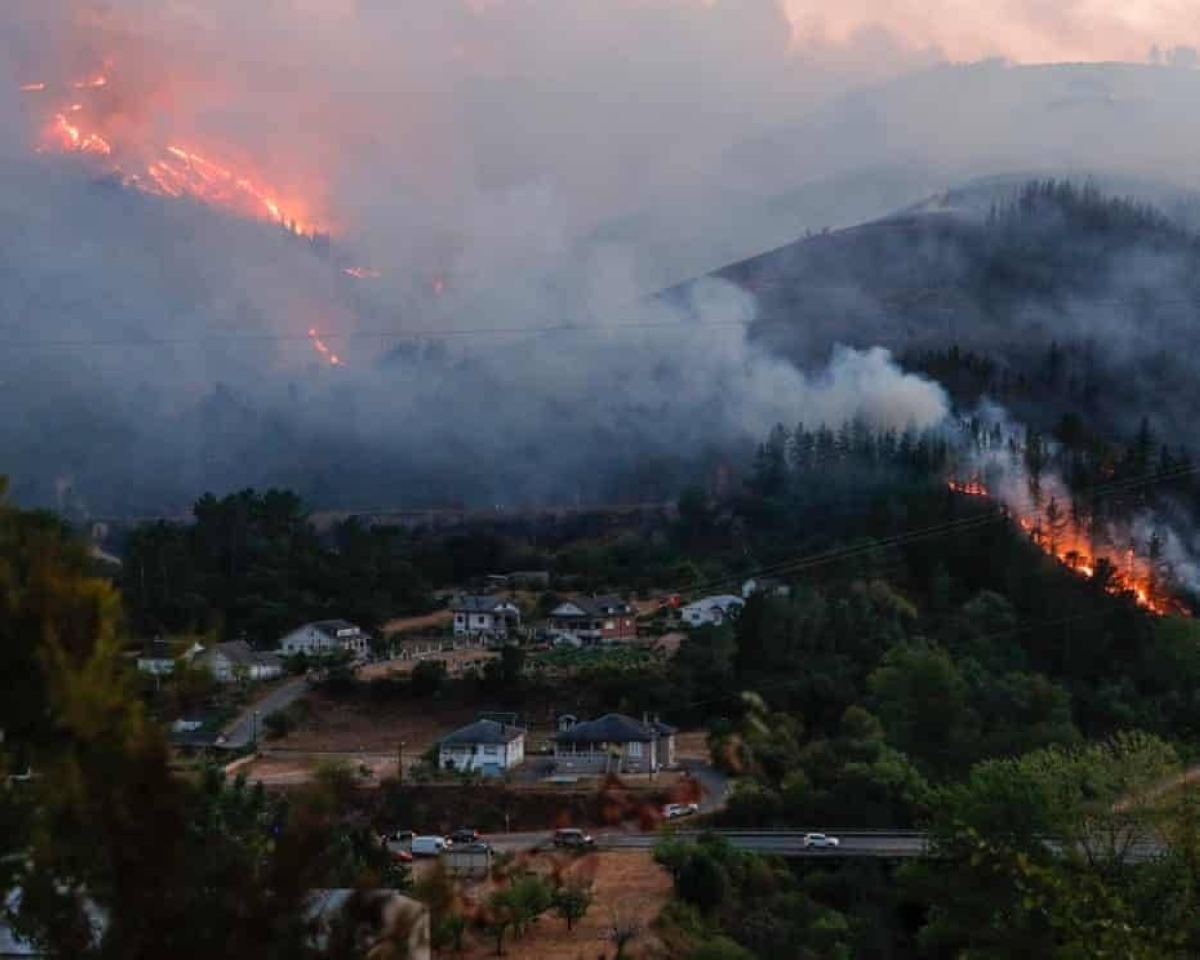
كشفت دراسة أولية أجراها فريق شبكة الإسناد الجوي العالمي، أن الظروف الجوية المتطرفة التي أشعلت حرائق برية عبر إسبانيا والبرتغال الشهر الماضي كانت أكثر احتمالية بـ40 مرة بسبب التغير المناخي.
واجتاحت هذه الحرائق، التي التهمت نحو 500 ألف هكتار (1.2 مليون فدان) من شبه الجزيرة الأيبيرية في غضون أسابيع، مناطق واسعة، وكانت أكثر شدة بنسبة 30% مما كان متوقعًا في عالم خالٍ من التغير المناخي.
وأوضحت كلير بارنز، عالمة المناخ في إمبريال كوليدج لندن ومشاركة في الدراسة، أن الحجم الهائل لهذه الحرائق كان صادمًا، مشيرة إلى أن الظروف الحارة والجافة والقابلة للاشتعال أصبحت أكثر حدة مع التغير المناخي، مما أدى إلى حرائق ذات كثافة غير مسبوقة.
ووفقا لصحيفة «الغارديان»، أظهرت الدراسة أن مثل هذه الظروف كانت ستحدث مرة واحدة كل 500 عام في المناخ ما قبل الصناعة، لكنها أصبحت الآن متوقعة كل 15 عامًا في عالم ارتفعت فيه درجات الحرارة بسبب انبعاثات الوقود الأحفوري.
كما وجد الباحثون أن موجات الحر المتطرفة التي استمرت 10 أيام الشهر الماضي كانت متوقعة مرة كل 2500 عام، بينما أصبحت الآن تحدث كل 13 عامًا.
واعتمدت الدراسة، التي لم تُخضع بعد للمراجعة العلمية، على ملاحظات الطقس بدلاً من تحليل نماذج المناخ التقليدية.
وكانت دراسة سابقة للفريق حول حرائق تركيا واليونان قد أظهرت أن التغير المناخي جعل الظروف الجوية المتطرفة أكثر احتمالية بـ10 مرات.
وأشار ديفيد غارسيا، عالم رياضيات تطبيقية في جامعة أليكانتي، إلى أن النقاش العام في إسبانيا ركز على تراجع الأنشطة الريفية وزيادة النباتات الجافة، لكنه أكد أن تأثير التغير المناخي على هذه الحرائق كان هائلاً ولم يُناقش بالقدر الكافي.
في سياق متصل، أعلن رئيس الوزراء الإسباني بيدرو سانشيز، خطة مناخية من 10 نقاط لمواجهة الطقس المتطرف المتزايد.
A preliminary study conducted by the Global Climate Network revealed that the extreme weather conditions that ignited wildfires across Spain and Portugal last month were 40 times more likely due to climate change.
These wildfires, which consumed about 500,000 hectares (1.2 million acres) of the Iberian Peninsula within weeks, swept through vast areas and were 30% more intense than expected in a world without climate change.
Claire Barnes, a climate scientist at Imperial College London and a participant in the study, stated that the sheer scale of these fires was shocking, noting that hot, dry, and flammable conditions have become more severe with climate change, leading to unprecedented fire intensity.
According to The Guardian, the study showed that such conditions would have occurred once every 500 years in pre-industrial climate, but they are now expected every 15 years in a world where temperatures have risen due to fossil fuel emissions.
The researchers also found that the extreme heatwaves lasting 10 days last month were expected once every 2,500 years, whereas they now occur every 13 years.
The study, which has not yet undergone peer review, relied on weather observations rather than traditional climate model analysis.
A previous study by the team on wildfires in Turkey and Greece showed that climate change made extreme weather conditions 10 times more likely.
David Garcia, an applied mathematician at the University of Alicante, pointed out that public discussion in Spain has focused on the decline of rural activities and the increase of dry vegetation, but he emphasized that the impact of climate change on these fires has been enormous and has not been discussed sufficiently.
In a related context, Spanish Prime Minister Pedro Sánchez announced a 10-point climate plan to tackle the increasing extreme weather.