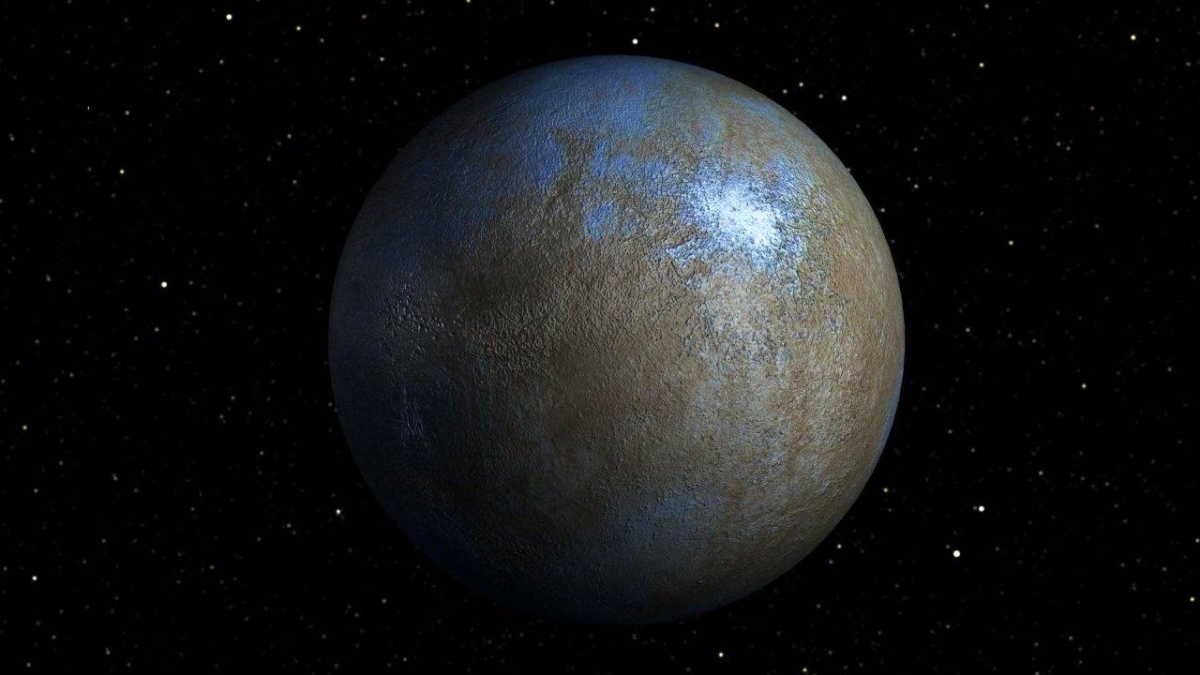
كشفت دراسة حديثة أجراها علماء من جامعة أريزونا الأمريكية أن كوكب سيريس القزمي كان يمتلك في الماضي الظروف اللازمة لوجود الحياة.
وجاء هذا الاكتشاف باستخدام مسبار «داون» الفضائي التابع لوكالة «ناسا» الذي اكتشف بقعا على الكوكب القزم حددها العلماء على أنها رواسب ملحية، ومصدر للحرارة.
واعتقد علماء الفلك حول العالم لعقود من الزمن، أن كوكب سيريس، أصغر الكواكب القزمة في النظام الشمسي، كان مجرد تجمع من الصخور والجليد، ورغم احتوائه على الماء، لم يكن معروفا مصدر الطاقة على هذا الكوكب.
وباستخدام نموذج محاكاة حاسوبي، وجد العلماء أنه قبل 2.5 إلى 4 مليارات سنة، كان من الممكن أن يولّد التحلل الإشعاعي في النواة الصخرية حرارة كافية للحفاظ على النشاط الحراري المائي على الكوكب، ما يشير إلى أن حياة ميكروبية بسيطة ربما كانت موجودة على سيريس.
وبحسب الدراسة، فإن المياه التي كانت موجودة داخل الكوكب شكلت «غذاء» كيميائيا للميكروبات التي ربما كانت تعيش على سيريس.
ووفقا لصمويل كورفيل، قائد الدراسة: فإن الماء والطاقة المتوافرة في أعماق سيريس من المرجح أنهما وفرا الظروف اللازمة لوجود الكائنات الحية.
وأشار إلى احتمال وجود ظروف مشابهة للحياة على أقمار كوكبي أورانوس وزحل، والتي كانت تعتبر لعقود خالية من الحياة.
A recent study conducted by scientists from the University of Arizona has revealed that the dwarf planet Ceres once had the necessary conditions for life.
This discovery was made using the Dawn spacecraft from NASA, which identified spots on the dwarf planet that scientists have classified as salt deposits and a source of heat.
For decades, astronomers around the world believed that Ceres, the smallest dwarf planet in the solar system, was merely a collection of rocks and ice. Despite containing water, the source of energy on this planet was unknown.
Using a computer simulation model, scientists found that between 2.5 to 4 billion years ago, radioactive decay in the rocky core could have generated enough heat to maintain hydrothermal activity on the planet, suggesting that simple microbial life may have existed on Ceres.
According to the study, the water that was present inside the planet formed a chemical "food" for the microbes that may have lived on Ceres.
According to Samuel Corneille, the study leader, the water and energy available deep within Ceres likely provided the necessary conditions for the existence of living organisms.
He pointed out the possibility of similar life-sustaining conditions on the moons of the planets Uranus and Saturn, which have been considered lifeless for decades.