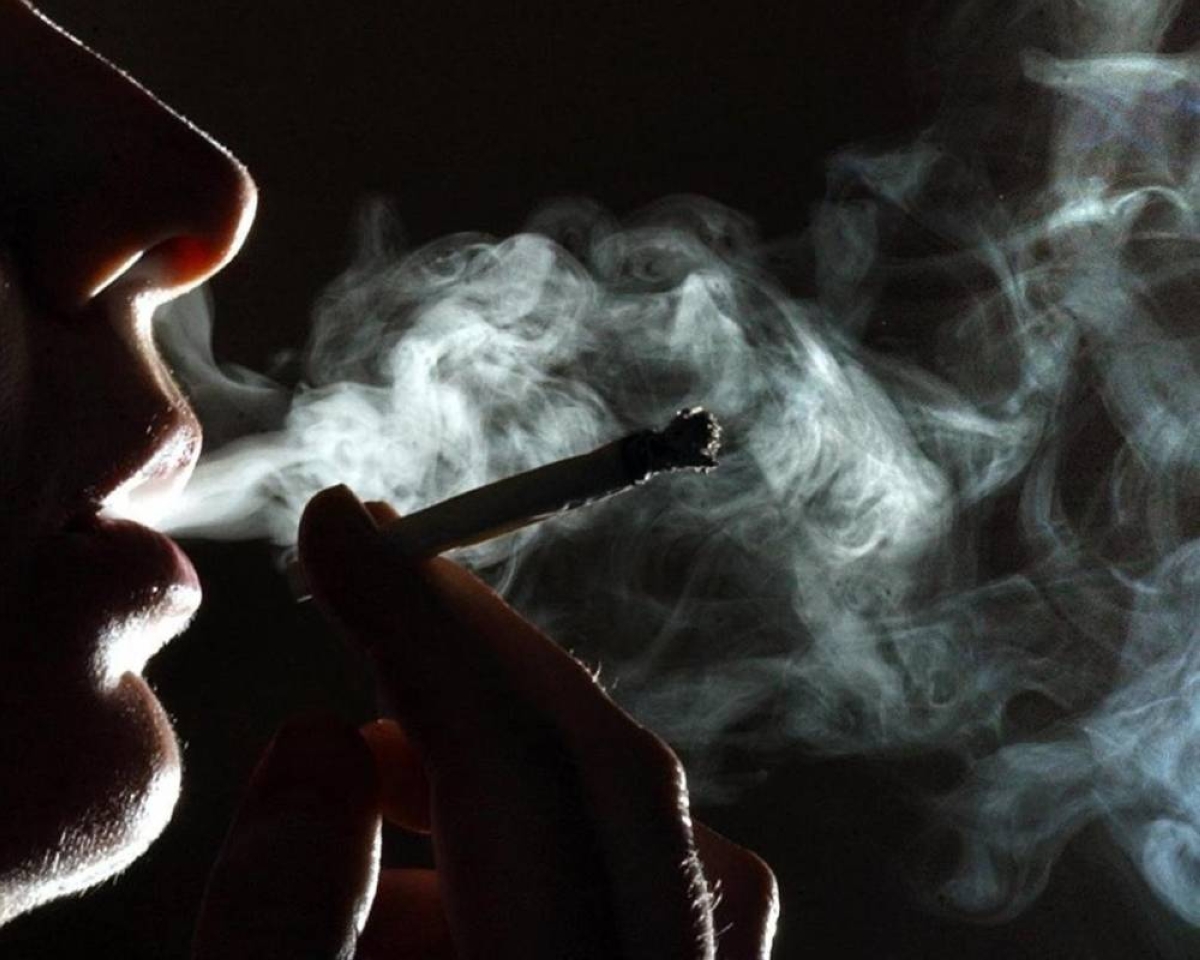
كشفت دراسة حديثة أن الأشخاص الذين يلجؤون إلى تدخين القنب لتخفيف الألم أو القلق أو الاكتئاب معرضون بشكل أكبر للإصابة بالبارانويا مقارنة بمن يستخدمونه لأغراض ترفيهية.
أجريت الدراسة على 3,389 شخصًا من مستخدمي القنب الحاليين والسابقين، تزيد أعمارهم عن 18 عامًا، ولا يعانون من تاريخ إكلينيكي للذهان، وشاركوا في استبيان «Cannabis&Me».
نشرت الدراسة في المجلة الطبية البريطانية بقيادة باحثين من كلية كينغز لندن، ووجدت أن الأشخاص الذين بدأوا باستخدام القنب لعلاج حالات مثل الألم أو القلق أو الاكتئاب، ويعانون من أعراض ذهانية طفيفة، سجلوا درجات أعلى في مقياس البارانويا، وفي المقابل كانت الدرجات الأقل لدى من استخدموا القنب بدافع التسلية أو الفضول.
وأظهر الاستبيان أن متوسط استهلاك المستجيبين بلغ 206 وحدات أسبوعيًا من مادة التتراهيدروكانابينول (THC)، المكون النشط في القنب، وهو ما يعادل 10 إلى 17 سيجارة قنب، لكن الأشخاص الذين استخدموا القنب للقلق أو الاكتئاب سجلوا استهلاكًا أعلى، بمعدل 248 و254.7 وحدة على التوالي.
وفي إنجلترا، يقتصر وصف القنب الطبي عبر الخدمة الصحية الوطنية (NHS) على حالات نادرة مثل الصرع الحاد، والغثيان الناتج عن العلاج الكيميائي، وبعض مرضى التصلب المتعدد.
وقال البروفيسور روبن موراي، أستاذ الأبحاث النفسية في كلية كينغز لندن: «الكثيرون يعتقدون أن القنب لا يسبب الذهان لهم لأنهم مختلفون، لكن هذا غير صحيح».
كما أظهرت الدراسة أن تأثير القنب مشابه لتأثير الكحول أو الطعام، فكلما زاد الاستهلاك، زادت المشكلات، وعلى عكس ما يُروج له على الإنترنت، القنب ليس دواءً. هناك 40 عيادة خاصة في بريطانيا توزع القنب علاجًا، خصوصاً للألم والقلق والاكتئاب، وهي بالضبط الحالات التي تزيد من مخاطر البارانويا.
وأضافت الدكتورة إميلي فينش، رئيسة كلية الأطباء النفسيين الملكية في مجال الإدمان، أن الدراسة تؤكد الأدلة على الأضرار النفسية للقنب.
وأوضحت أن حوالى ثلث مستخدمي القنب في المملكة المتحدة يواجهون مشكلات إدمان، مشابهة لنسبة الإدمان على الكحول، وأشارت إلى أن الاستخدام اليومي للقنب عالي الفعالية يزيد من مخاطر الإصابة بالاضطرابات الذهانية بما يقرب من 5 أضعاف، خصوصاً بين المراهقين.
ودعت الحكومة البريطانية إلى تعزيز الدعم لخدمات علاج الإدمان والصحة النفسية، مع التركيز على التدخل المبكر للأطفال والشباب.
وفي دراسة منفصلة نُشرت في مجلة «Psychological Medicine»، وجد أن 52% من مستخدمي القنب عانوا من صدمات طفولة، وكانت درجات البارانويا لدى من تعرضوا للإساءة الجسدية أو العاطفية أعلى بنسبة 35-40%، بينما سجل الأشخاص الذين تعرضوا للإساءة الجنسية استهلاكًا أعلى لمادة THC.
A recent study revealed that individuals who resort to smoking cannabis to alleviate pain, anxiety, or depression are at a greater risk of developing paranoia compared to those who use it for recreational purposes.
The study was conducted on 3,389 current and former cannabis users, aged over 18, with no clinical history of psychosis, who participated in the "Cannabis&Me" survey.
The study, published in the British Medical Journal and led by researchers from King's College London, found that individuals who began using cannabis to treat conditions such as pain, anxiety, or depression, and who experience mild psychotic symptoms, scored higher on the paranoia scale. In contrast, those who used cannabis for fun or curiosity had lower scores.
The survey showed that the average consumption among respondents was 206 units per week of tetrahydrocannabinol (THC), the active ingredient in cannabis, which is equivalent to 10 to 17 cannabis cigarettes. However, individuals who used cannabis for anxiety or depression reported higher consumption, averaging 248 and 254.7 units, respectively.
In England, the prescription of medical cannabis through the National Health Service (NHS) is limited to rare cases such as severe epilepsy, chemotherapy-induced nausea, and some multiple sclerosis patients.
Professor Robin Murray, a professor of psychiatric research at King's College London, stated, "Many believe that cannabis does not cause psychosis for them because they are different, but this is not true."
The study also showed that the effects of cannabis are similar to those of alcohol or food; the more consumption increases, the more problems arise. Contrary to what is promoted online, cannabis is not a medicine. There are 40 private clinics in Britain distributing cannabis as treatment, particularly for pain, anxiety, and depression, which are precisely the conditions that increase the risks of paranoia.
Dr. Emily Finch, president of the Royal College of Psychiatrists in the field of addiction, added that the study reinforces the evidence of the psychological harms of cannabis.
She explained that about one-third of cannabis users in the UK face addiction issues, similar to the rate of alcohol addiction, and noted that daily use of high-potency cannabis increases the risk of developing psychotic disorders by nearly five times, especially among teenagers.
The British government has been urged to enhance support for addiction treatment and mental health services, focusing on early intervention for children and young people.
In a separate study published in the journal "Psychological Medicine," it was found that 52% of cannabis users experienced childhood trauma, and the paranoia scores among those who suffered physical or emotional abuse were 35-40% higher, while individuals who experienced sexual abuse reported higher consumption of THC.