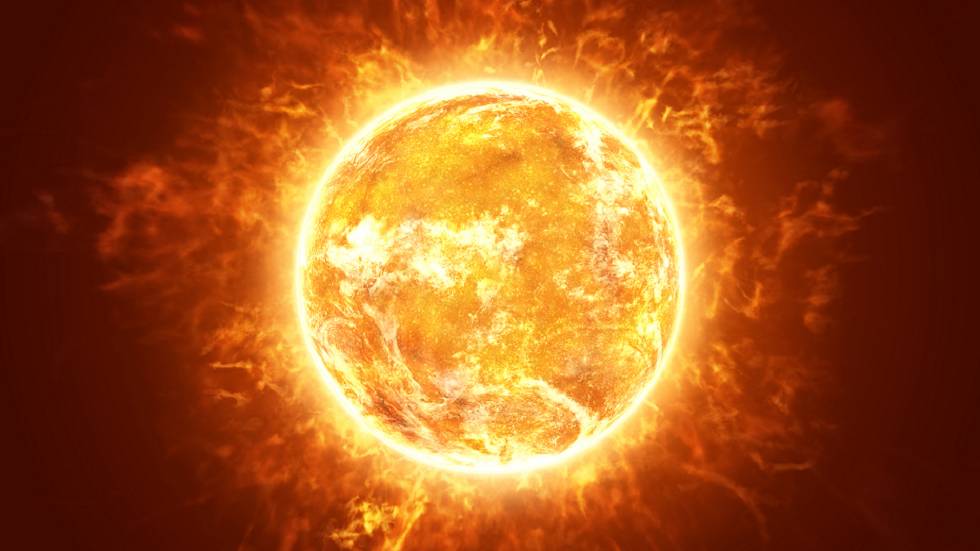
رصد علماء مختبر علم الفلك الشمسي التابع لأكاديمية العلوم الروسية أقوى توهج شمسي منذ نحو شهرين، إذ بلغت شدته الفئة M4، اليوم (الإثنين) عند الساعة 08:24 صباحاً بتوقيت موسكو.
وأوضح بيان المختبر أن انبعاثات البلازما الناتجة عن التوهج لا تزال بعيدة عن الأرض حاليّاً، لكن من الممكن أن يتغيّر مسارها خلال الساعات الـ24 المقبلة، ما قد يؤدي إلى تأثيرات مباشرة على كوكبنا.
ويتوقع الخبراء وصول بعض هذه الانبعاثات مساء اليوم، مع تسجيل التأثير الأكبر في النصف الثاني من يوم غدٍ (الثلاثاء).
وتصنف التوهجات الشمسية إلى خمس درجات بحسب قوة الأشعة السينية المنبعثة: A وB وC وM وX، وتزداد شدة الإشعاع تدريجيّاً، إذ تمثل الفئة A0.0 أضعفها، وتزداد 10 أضعاف مع كل فئة أعلى.
ويحذّر العلماء من أن التوهجات الشمسية قد تؤثر على أنظمة الاتصالات والملاحة الفضائية، وقد تسبّب انقطاعات في خدمات الإنترنت والاتصالات في بعض المناطق، داعين إلى متابعة التقارير العلمية والتوجيهات الصادرة عن الجهات المختصة.
Scientists at the Solar Astronomy Laboratory of the Russian Academy of Sciences have detected the strongest solar flare in about two months, with an intensity classified as M4, today (Monday) at 08:24 AM Moscow time.
The laboratory's statement explained that the plasma emissions resulting from the flare are currently still far from Earth, but their trajectory may change in the next 24 hours, which could lead to direct effects on our planet.
Experts expect some of these emissions to arrive this evening, with the greatest impact recorded in the second half of tomorrow (Tuesday).
Solar flares are classified into five categories based on the intensity of the emitted X-rays: A, B, C, M, and X, with radiation intensity increasing gradually, where category A0.0 represents the weakest, increasing tenfold with each higher category.
Scientists warn that solar flares may affect communication and navigation systems, and could cause disruptions in internet and communication services in some areas, urging the public to follow scientific reports and guidance from relevant authorities.