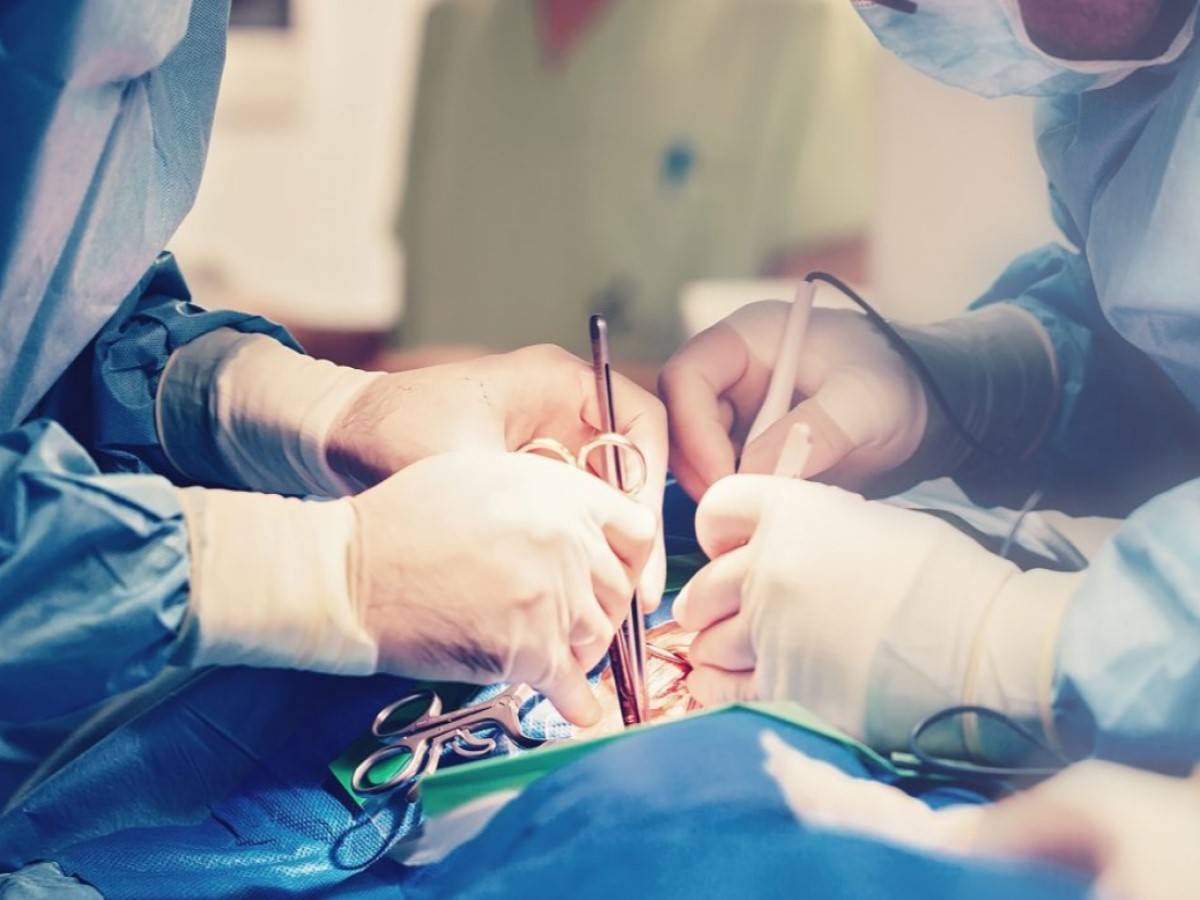
ابتكر علماء من مستشفى زيورخ الجامعي في سويسرا رقعة قلبية اصطناعية مطبوعة بتقنية الطباعة ثلاثية الأبعاد تعمل على تغطية المناطق المتضررة في القلب والمساهمة في ترميم أنسجته.
ووفقاً للبيان الصحفي الصادر عن المستشفى، يعاني القلب بعد احتشاء عضلة القلب من فقدان جزء من قوته نتيجة انقطاع تدفق الدم وعدم حصول الأنسجة على الأكسجين، كما تتوقف المناطق المتضررة عن أداء وظائفها الطبيعية.
ويستخدم الجراحون حالياً رقعاً مصنوعة من أغشية قلوب الثيران، إلا أنها لا تندمج مع الأنسجة البشرية، ما قد يسبب التهابات أو جلطات دموية أو تكلسات، كما أن خلايا القلب لا تنمو داخلها، فلا يتعافى النسيج بالكامل.
واحتوت الرقعة الجديدة على 3 عناصر رئيسية: شبكة رقيقة لتغطية المنطقة المصابة، إطار بوليمري مطبوع بتقنية ثلاثية الأبعاد، وهلام يحتوي على خلايا حية من عضلة القلب. ويتميز الإطار ببنية شبكية تمنحه الصلابة لتحمل ضغط الدم، ويتحلل تدريجياً مع الوقت، بينما تنمو الخلايا الحية في الهيدروجيل تدريجياً مع أنسجة القلب، بحيث لا يتبقى أي أثر للقاعدة الاصطناعية بعد اكتمال العملية.
وأثبتت التجارب على الحيوانات نجاح الرقعة في استعادة وظائف القلب، إذ صمدت أمام الأحمال الواقعية وساعدت في سد العيوب الاصطناعية في جدار البطين الأيسر، وأوقفت النزيف، وحافظت على شكلها تحت الضغط.
Scientists from Zurich University Hospital in Switzerland have developed a 3D-printed artificial heart patch that covers damaged areas of the heart and contributes to the repair of its tissues.
According to the press release from the hospital, the heart suffers from a loss of part of its strength after a myocardial infarction due to the interruption of blood flow and the lack of oxygen to the tissues, causing the affected areas to stop performing their normal functions.
Surgeons currently use patches made from bull heart membranes, but these do not integrate with human tissues, which can lead to infections, blood clots, or calcifications. Additionally, heart cells do not grow within them, so the tissue does not fully recover.
The new patch contains three main components: a thin mesh to cover the affected area, a 3D-printed polymer frame, and a gel containing live heart muscle cells. The frame features a mesh structure that provides rigidity to withstand blood pressure, and it gradually degrades over time, while the live cells in the hydrogel grow gradually with the heart tissues, leaving no trace of the artificial base after the process is complete.
Experiments on animals have demonstrated the patch's success in restoring heart functions, as it withstood realistic loads, helped close artificial defects in the left ventricle wall, stopped bleeding, and maintained its shape under pressure.