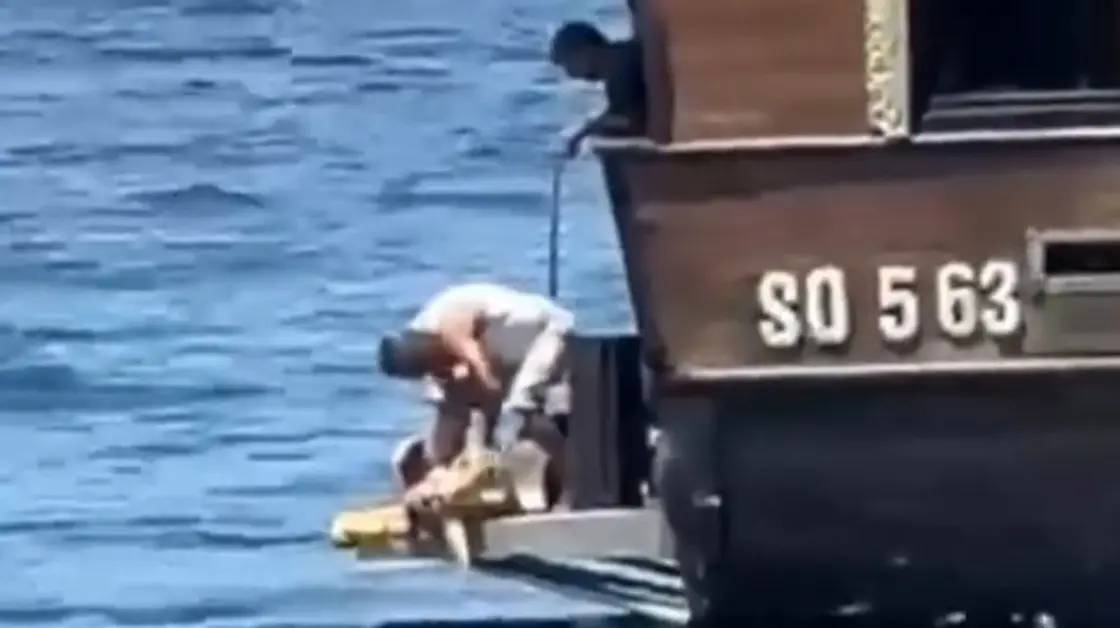
أثار مقطع فيديو متداول على مواقع التواصل الاجتماعي موجة من الغضب في تونس، بعد توثيقه لحظة اصطياد وذبح سلحفاة بحرية مهددة بالانقراض على متن مركب سياحي قرب جزيرة قوريا في ولاية المنستير.
وأظهر الفيديو الرجل المسؤول عن المركب وهو يقوم بسلخ السلحفاة الكبيرة وتنظيفها، بهدف الاستفادة من لحمها للبيع أو الاستهلاك الشخصي، وسط اعتقاد شعبي خاطئ بفوائد طبية للسلحفاة.
وصف ناشطون بيئيون الواقعة بـ«الجريمة البشعة» و«العمل غير الإنساني». وأكدوا أن قانون حماية الحياة البحرية في تونس يحظر صيد السلاحف ويعاقب المخالفين.
تجاوباً مع الحدث، سحبت السلطات المحلية ترخيص المركب السياحي وفتحت تحقيقاً مع مالكه، في خطوة تعكس حزم الدولة في تطبيق القانون وحماية الأنواع المهددة بالانقراض.
وأكد الناشط البيئي معز الحداد أن خسارة سلحفاة واحدة تعني إضعاف حلقة مهمة في المنظومة البيئية البحرية. وأشار إلى تراجع أعداد نوع «كاريتا كاريتا» بسبب الصيد الجائر والتلوث وإتلاف الأعشاش. وأضاف أن غياب هذه السلاحف ساهم هذا الصيف في انتشار أعداد أكبر من القناديل البحرية.
ويعاقب القانون التونسي على صيد السلاحف البحرية أو الاحتفاظ بها أو التجارة بها بأي شكل، مع فرض غرامات مالية على المخالفين.
A video circulating on social media has sparked a wave of anger in Tunisia after documenting the moment a threatened sea turtle was caught and slaughtered aboard a tourist boat near the island of Kuriya in the Monastir governorate.
The video showed the man responsible for the boat skinning and cleaning the large turtle, with the intention of benefiting from its meat for sale or personal consumption, amidst a widespread but misguided belief in the medicinal benefits of turtles.
Environmental activists described the incident as a "heinous crime" and "inhumane act." They emphasized that the law protecting marine life in Tunisia prohibits the hunting of turtles and punishes violators.
In response to the incident, local authorities revoked the tourist boat's license and opened an investigation into its owner, in a move that reflects the state's determination to enforce the law and protect endangered species.
Environmental activist Moaz Haddad confirmed that the loss of a single turtle weakens an important link in the marine ecosystem. He noted the decline in the numbers of the "Caretta caretta" species due to overfishing, pollution, and the destruction of nests. He added that the absence of these turtles contributed to a larger spread of jellyfish this summer.
Tunisian law penalizes the hunting of sea turtles, keeping them, or trading them in any form, imposing financial fines on violators.