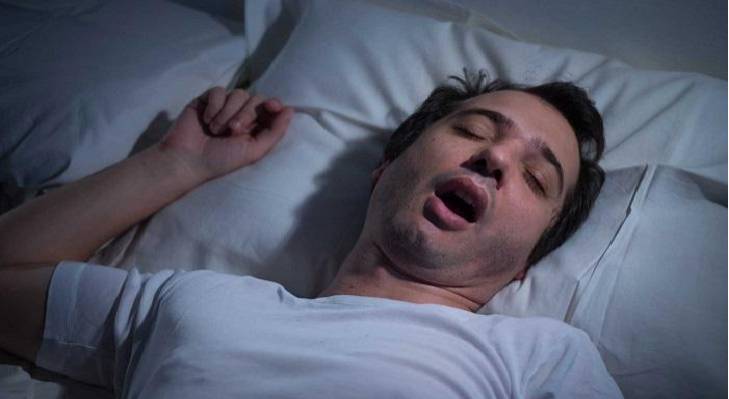
يحدث التكلم أثناء النوم لدى نسبة كبيرة من البشر، إذ تشير التقديرات إلى أن ما بين 3 و30% من الأشخاص يتحدثون أثناء النوم بشكل معتاد، بينما 65% من الناس تحدثوا مرة واحدة على الأقل خلال حياتهم. وتشير الدراسات إلى أن الظاهرة أكثر شيوعاً لدى الأطفال وقد تستمر حتى مرحلة البلوغ.
أخصائي علم النفس بجامعة سابينزا في روما الباحث لويجي دي جينارو وصف التكلم أثناء النوم بأنه من أكثر سلوكيات النوم شيوعاً، ويراوح من همهمات غير مفهومة إلى عبارات واضحة، وحتى السب. ويشير إلى أن أغلب الناس لا يدرون أنهم يتحدثون أثناء النوم إلا إذا أبلغهم شخص آخر بذلك، كما أنهم لا يتذكرون ما قالوه ولا يقيمون مدلولاته.
وأظهرت دراسة باحثة علم النفس ديدري باريت من جامعة هارفارد أن الكلام أثناء النوم يعبر عن مشاعر سلبية أكثر مقارنة بالحديث أثناء اليقظة، ويتضمن أحياناً ألفاظ سباب، مع شيوع استخدام كلمات النفي والاستفهام. وأوضحت أن الكلام يحدث في جميع مراحل النوم، لكنه أكثر شيوعاً في مراحل نوم حركة العين غير السريعة، بينما يكون الكلام في مرحلة حركة العين السريعة أطول وأسهل فهماً، وفي بعض الحالات النادرة يمكن أن يشارك النائم في محادثة شبه واعية.
وترتبط الظاهرة غالباً باضطرابات النوم والتوتر والحرمان من النوم، كما قد تلعب الجينات والعوامل الوراثية دوراً في احتمالية حدوثها. ويشير الباحثون إلى أن الكلام أثناء النوم لا يمثل خطراً صحياً، ولا يستدعي زيارة الطبيب إلا في الحالات المتطرفة التي تؤثر على النوم أو العلاقات اليومية.
Sleep talking occurs in a significant percentage of humans, with estimates suggesting that between 3% and 30% of people talk in their sleep regularly, while 65% of people have talked at least once during their lifetime. Studies indicate that the phenomenon is more common in children and may continue into adulthood.
Luigi De Gennaro, a psychology specialist at Sapienza University in Rome, described sleep talking as one of the most common sleep behaviors, ranging from unintelligible mumbling to clear phrases, and even cursing. He notes that most people are unaware they are talking in their sleep unless someone else informs them, and they do not remember what they said or assess its implications.
A study by psychologist Deirdre Barrett from Harvard University showed that sleep talking expresses more negative emotions compared to talking while awake, and it sometimes includes curse words, with a common use of negation and questioning words. She explained that talking occurs in all stages of sleep, but it is more common in non-rapid eye movement sleep stages, while speech during rapid eye movement sleep is longer and easier to understand; in some rare cases, the sleeper may engage in a semi-conscious conversation.
The phenomenon is often associated with sleep disorders, stress, and sleep deprivation, and genetic and hereditary factors may play a role in its likelihood. Researchers indicate that sleep talking does not pose a health risk and does not require a doctor's visit except in extreme cases that affect sleep or daily relationships.