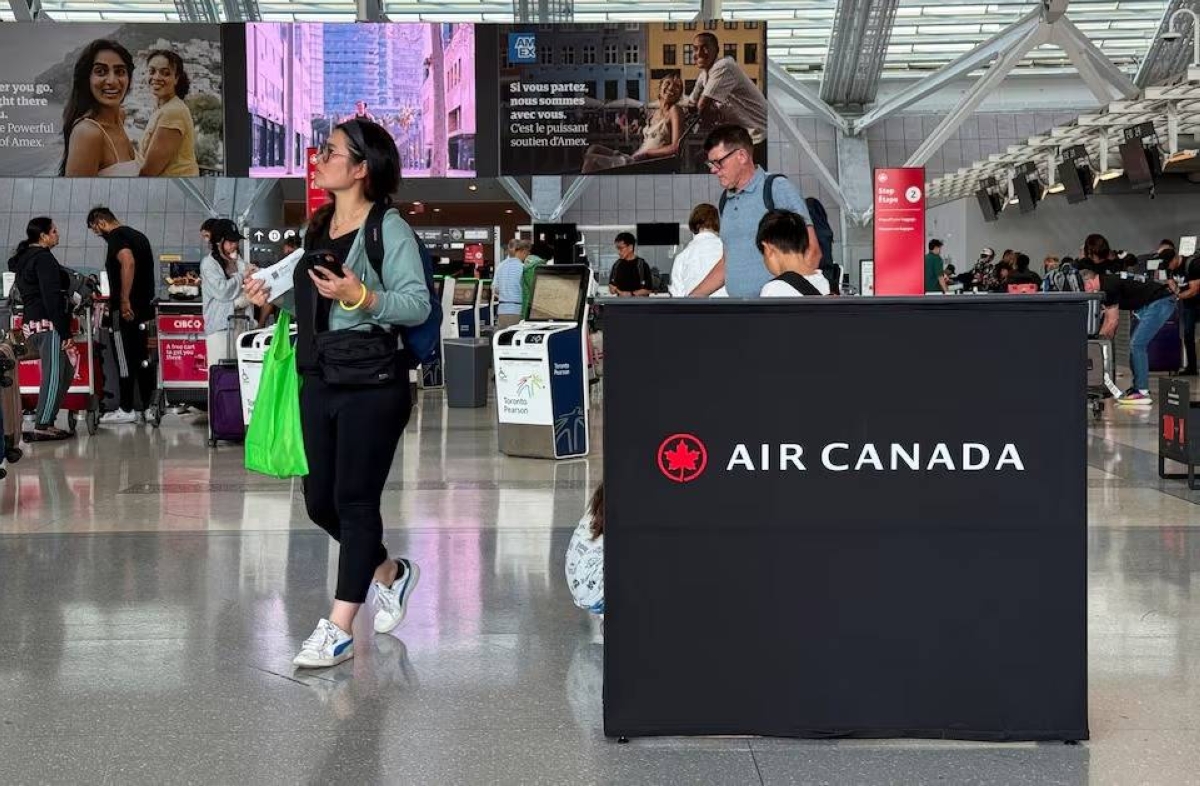
استمرت طائرات شركة الخطوط الجوية الكندية «إير كندا» في التوقف عن الطيران صباح اليوم (الإثنين)، بعد أن رفض مضيفو الطيران المضربون أمراً مدعوماً من الحكومة الكندية بالعودة إلى العمل، مطالبين الشركة بالعودة إلى طاولة المفاوضات.
وكانت الشركة، التي تنقل عادةً 130 ألف مسافر يوميًا وتُعد جزءاً من تحالف «ستار ألاينس» العالمي، قد خططت لاستئناف عملياتها تدريجياً مساء أمس (الأحد)، بعد أن أصدر مجلس العلاقات العمالية أمراً للنقابة بالعودة إلى العمل والبدء في التحكيم الملزم.
ورفضت النقابة هذا الأمر، ما أدى إلى مواجهة غير مسبوقة تقريباً مع الحكومة الكندية التي طلبت الأمر بالعودة إلى العمل.
وتسعى نقابة موظفي القطاع العام الكندي (CUPE)، التي تمثل 10 آلاف من أطقم الخدمة الجوية في «إير كندا»، إلى التوصل إلى حل تفاوضي، معتبرة أن التحكيم الملزم سيخفف الضغط عن الشركة.
ويضرب المضيفون للمطالبة بأجور أفضل وتسوية مسألة الأجور عن العمل الأرضي، مثل صعود الركاب إلى الطائرة، حيث لا يتقاضون حالياً أجوراً إلا عندما تكون الطائرة في الجو. وقد حظيت هذه القضية بدعم شعبي كبير عبر وسائل التواصل الاجتماعي في كندا.
ودعت النقابة شركة «إير كندا» إلى العودة للتفاوض من أجل تسوية عادلة، واصفة أمر إنهاء الإضراب بأنه غير دستوري.
من جانبها، أعلنت الشركة تأجيل خططها لاستئناف العمليات من الأحد إلى مساء الإثنين، ووصفت موقف النقابة بأنه تحدٍ غير قانوني لقرار مجلس العلاقات العمالية.
وتواجه الحكومة الكندية الآن خيارات محدودة لإنهاء الإضراب، تشمل طلب تدخل المحاكم لفرض الأمر بالعودة إلى العمل، أو السعي لعقد جلسة استماع عاجلة.
كما يمكن للحكومة الأقلية أن تحاول تمرير تشريع يتطلب دعم الأحزاب السياسية المنافسة وموافقة مجلسي البرلمان، اللذين يتواجدان في عطلة حتى 15 سبتمبر.
وأوضحت ديون بوهلر، أستاذة حل النزاعات في كلية العلاقات الصناعية والعمالية بجامعة كورنيل، أن الحكومة ستكون حذرة من استخدام إجراءات قاسية، حيث قضت المحكمة العليا الكندية بضرورة توخي الحذر عند تقييد حق الإضراب، حتى بالنسبة للعاملين في القطاع العام الذين يُعتبرون أساسيين.
وأضافت أن أحد الخيارات هو تشجيع التفاوض، ولم ترد الحكومة على طلبات التعليق.
في الوقت نفسه، أبقى قاضٍ أمريكي على قرار منع خطة الرئيس دونالد ترمب لشراء عقود الموظفين الفيدراليين.
ويوم السبت تحركت حكومة رئيس الوزراء مارك كارني الليبرالية لإنهاء الإضراب عبر طلب من مجلس العلاقات العمالية الكندي بفرض التحكيم الملزم، وهو ما دعمته «إير كندا» ورفضته النقابة.
ويُعد رفض النقابة لهذا الأمر سابقة نادرة عند تطبيق القواعد المعروفة باسم القسم 107 من قانون العمل الكندي.
وأعرب المسافرون في مطار تورونتو بيرسون الدولي خلال عطلة نهاية الأسبوع عن إحباطهم وارتباكهم بشأن موعد استئناف رحلاتهم.
وتتمحور الخلافات بين أطقم الخدمة الجوية و«إير كندا» حول طريقة تعويض المضيفين، حيث تقليدياً لا تدفع الشركة إلا عندما تكون الطائرة في الجو.
وفي المفاوضات الأخيرة، طالب مضيفو الطيران في كندا والولايات المتحدة بالحصول على أجور عن جميع ساعات العمل، بما في ذلك مهمات مثل صعود الركاب.
وفي الولايات المتحدة، تتطلب الاتفاقيات العمالية الجديدة في شركات مثل أمريكان إيرلاينز وألاسكا إيرلاينز بدء احتساب الأجور عند صعود الركاب، بينما يحصل مضيفو أمريكان إيرلاينز الآن أيضاً على تعويض عن بعض الساعات بين الرحلات.
كما رفضت أطقم شركة يونايتد إيرلاينز اتفاقية مبدئية الشهر الماضي، مطالبين بأحكام مماثلة.
Air Canada flights continued to be grounded this morning (Monday), after striking flight attendants rejected a government-backed order to return to work, demanding that the company return to the negotiating table.
The airline, which typically transports 130,000 passengers daily and is part of the global Star Alliance, had planned to gradually resume operations last night (Sunday) after the Labor Relations Board issued an order for the union to return to work and begin binding arbitration.
The union rejected this order, leading to an almost unprecedented confrontation with the Canadian government, which requested the order to return to work.
The Canadian Union of Public Employees (CUPE), representing 10,000 flight attendants at Air Canada, is seeking a negotiated solution, believing that binding arbitration would relieve pressure on the company.
The flight attendants are striking to demand better wages and to settle the issue of pay for ground work, such as boarding passengers, for which they currently receive no pay unless the plane is in the air. This issue has garnered significant public support across social media in Canada.
The union has called on Air Canada to return to negotiations for a fair settlement, describing the order to end the strike as unconstitutional.
For its part, the company announced a postponement of its plans to resume operations from Sunday to Monday evening, describing the union's stance as an illegal challenge to the Labor Relations Board's decision.
The Canadian government now faces limited options to end the strike, including seeking court intervention to enforce the order to return to work, or pursuing an urgent hearing.
The minority government may also attempt to pass legislation that would require support from competing political parties and approval from both houses of Parliament, which are on recess until September 15.
Dionne Beaulieu, a conflict resolution professor at Cornell University's School of Industrial and Labor Relations, explained that the government would be cautious about using harsh measures, as the Supreme Court of Canada has ruled that care must be taken when restricting the right to strike, even for public sector workers deemed essential.
She added that one option is to encourage negotiations, and the government has not responded to requests for comment.
Meanwhile, a U.S. judge upheld a decision blocking President Donald Trump's plan to purchase federal employee contracts.
On Saturday, Prime Minister Mark Carney's liberal government moved to end the strike by requesting the Canadian Labor Relations Board to impose binding arbitration, which was supported by Air Canada and rejected by the union.
The union's rejection of this order is a rare precedent in the application of the rules known as Section 107 of the Canadian Labor Code.
Travelers at Toronto Pearson International Airport expressed their frustration and confusion over when their flights would resume during the weekend.
The disputes between the flight crews and Air Canada center around how attendants are compensated, as traditionally the company only pays when the plane is in the air.
In recent negotiations, flight attendants in Canada and the United States have demanded pay for all hours worked, including tasks such as boarding passengers.
In the United States, new labor agreements at companies like American Airlines and Alaska Airlines require wages to start being calculated when passengers board, while American Airlines attendants are now also compensated for some hours between flights.
United Airlines crews also rejected a preliminary agreement last month, demanding similar provisions.