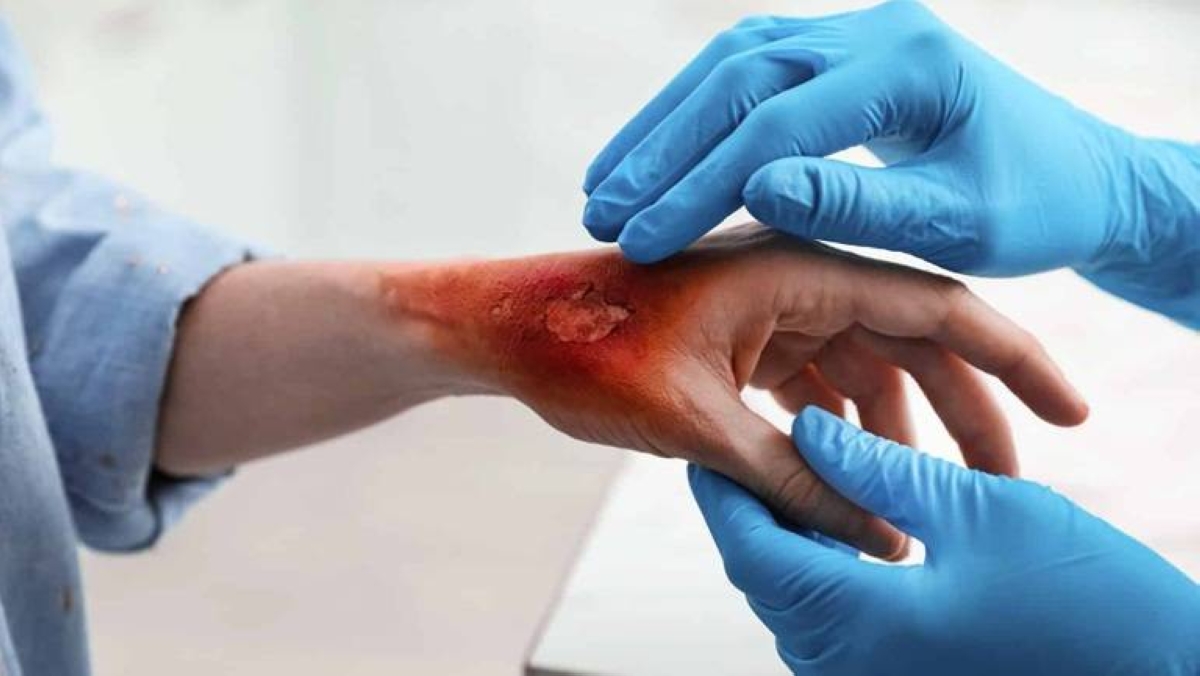
تمكن فريق من الباحثين السويديين من تطوير تقنية مبتكرة لصنع جلد اصطناعي باستخدام الطباعة الثلاثية الأبعاد، ما يفتح آفاقًا جديدة لعلاج الحروق والجروح الكبيرة التي كانت تتطلب سابقًا عمليات زراعة معقدة.
أجرى الدراسة باحثون من مركز طب الكوارث والصدمات وجامعة لينكوبينغ بالسويد، ونشرت نتائجها في مجلة Advanced Healthcare Materials، كما تناولها موقع «يوريك أليرت». وتهدف التقنية إلى تمكين الجسم من استعادة طبقة الجلد الأدمة الحيوية، التي تحتوي على أوعية دموية وأعصاب وبصيلات شعر، بدل الاكتفاء بزراعة البشرة فقط، ما يقلل من الندوب ويحسن مرونة الجلد بعد العلاج.
تقليديًا، تُعالج الحروق الكبيرة بزراعة البشرة العليا فقط، والتي تتكون من نوع واحد من الخلايا ما يؤدي غالبًا إلى ندوب شديدة، بينما الأدمة الأكثر سمكًا وتعقيدًا لا تُزرع عادة بسبب صعوبة الاستفادة منها في المختبر وترك جروح كبيرة.
بينما تعتمد التقنية الجديدة على خلايا النسيج الضام أو الخلايا الليفية الأكثر شيوعًا في الأدمة، والتي يمكن تنميتها في المختبر وتحويلها إلى مكونات أساسية للجلد. وقال الباحث في المركز السويدي وأستاذ جراحة التجميل يوهان يونكر: «نزرع مكونات الأدمة الأساسية، ونترك الجسم ليكمل تكوين الأدمة بنفسه، ما يتيح إنتاج جلد وظيفي يقلل من الندوب».
A team of Swedish researchers has developed an innovative technique for creating artificial skin using 3D printing, opening new horizons for the treatment of burns and large wounds that previously required complex grafting procedures.
The study was conducted by researchers from the Center for Disaster and Trauma Medicine and Linköping University in Sweden, and its results were published in the journal Advanced Healthcare Materials, as well as covered by the website "EurekAlert." The technique aims to enable the body to restore the vital dermal layer of skin, which contains blood vessels, nerves, and hair follicles, instead of merely grafting the epidermis, thus reducing scarring and improving skin elasticity after treatment.
Traditionally, large burns are treated by grafting only the upper skin layer, which consists of a single type of cell, often leading to severe scarring, while the thicker and more complex dermis is usually not grafted due to the difficulty of utilizing it in the lab, leaving large wounds.
In contrast, the new technique relies on connective tissue cells or fibroblasts, which are more common in the dermis and can be cultivated in the lab and transformed into essential skin components. Johan Junker, a researcher at the Swedish center and a professor of plastic surgery, stated: "We cultivate the essential dermal components and let the body complete the formation of the dermis itself, allowing for the production of functional skin that reduces scarring."