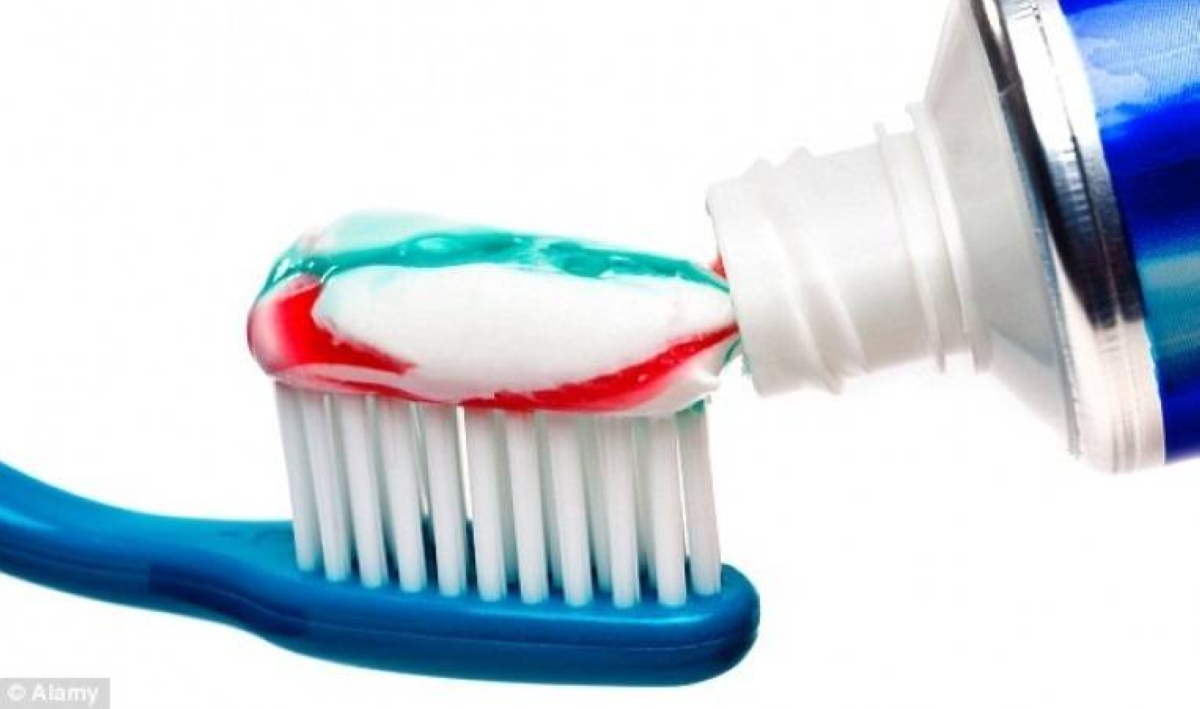
توصل باحثون من كلية كينغز كوليدج لندن إلى ابتكار معجون أسنان جديد يعتمد على بروتين الكيراتين المستخلص من الشعر، في محاولة لتقديم حماية أقوى للأسنان مقارنة بالمعاجين التقليدية المعززة بالفلورايد.
وبحسب ما نشره موقع نيو أطلس، فقد أظهر المعجون التجريبي قدرة على تكوين سقالات بلورية عند تفاعله مع اللعاب، مما يسمح بجذب أيونات الكالسيوم والفوسفات والارتباط بها، وهو ما يحاكي وظيفة مينا الأسنان في الحماية والإصلاح. وعلى عكس الفلورايد الذي يبطئ التسوس فقط، فقد بينت الاختبارات أن معجون الكيراتين قادر على إيقافه تمامًا.
نشرت الدراسة في دورية Advanced Healthcare Materials، وأوضحت الباحثة الرئيسية سارة جامع أن الكيراتين يمكن أن يشكل بديلاً مستدامًا للعلاجات الحالية، إذ يُستخلص من مخلفات بيولوجية مثل الشعر والصوف، ويغني عن استخدام الراتنجات البلاستيكية السامة وأقل متانة في طب الأسنان الترميمي.
كما أشارت إلى أن الكيراتين يمتاز بملاءمته الطبيعية ولونه القريب من لون الأسنان الأصلي، ما يجعله خيارًا أكثر جمالية وفعالية.
وبينما ذكر باحث آخر في الدراسة شريف الشرقاوي أن الابتكار يفتح الباب أمام «حقبة جديدة من العلاجات الحيوية التي لا تقتصر على معالجة الأعراض، بل تستعيد الوظائف الطبيعية باستخدام مواد من الجسم ذاته». وأضاف أن المنتج قد يُطرح في الأسواق خلال عامين إلى ثلاثة أعوام، سواء في صورة معجون يومي أو جل يُستخدم في العيادات.
Researchers from King's College London have developed a new toothpaste that relies on keratin protein extracted from hair, in an attempt to provide stronger protection for teeth compared to traditional fluoride-enhanced toothpastes.
According to what was published by New Atlas, the experimental toothpaste has shown the ability to form crystalline scaffolds when interacting with saliva, allowing it to attract calcium and phosphate ions and bond with them, which mimics the function of tooth enamel in protection and repair. Unlike fluoride, which only slows down decay, tests have shown that the keratin toothpaste is capable of completely stopping it.
The study was published in the journal Advanced Healthcare Materials, and the lead researcher, Sarah Jamal, explained that keratin could serve as a sustainable alternative to current treatments, as it is extracted from biological waste such as hair and wool, eliminating the need for toxic plastic resins that are less durable in restorative dentistry.
She also noted that keratin has the advantage of being naturally compatible and its color is close to that of natural teeth, making it a more aesthetic and effective option.
Another researcher in the study, Sherif El-Sharkawy, mentioned that the innovation opens the door to "a new era of biological treatments that do not just address symptoms but restore natural functions using materials from the body itself." He added that the product could be launched in the market within two to three years, either in the form of a daily toothpaste or a gel used in clinics.