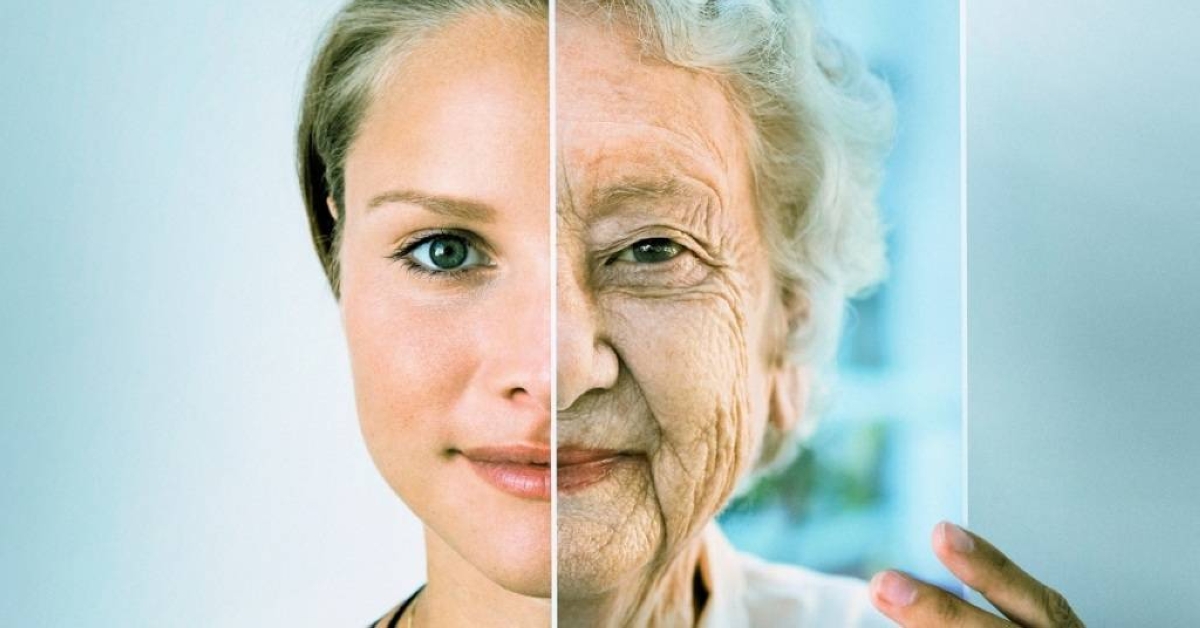
كشفت دراسة مشتركة بين باحثين من كوريا الجنوبية والولايات المتحدة، نُشرت في مجلة Metabolism، أن الشيخوخة قد تنتقل بين الخلايا بشكل يشبه العدوى، عبر بروتين يُعرف باسم HMGB1.
وأوضحت الدراسة أن هذا البروتين (الموجود عادةً في نواة الخلية) يتسرّب منها عند تعرضها للإجهاد أو الشيخوخة. وعندما يكون HMGB1 في صورته «المخفّضة»، يطلق سلسلة من التفاعلات البيولوجية تؤدي إلى توقف الخلايا السليمة المجاورة عن الانقسام، وتُحوّلها إلى خلايا شائخة تُطلق إشارات التهابية.
ظهرت النتيجة نفسها في التجارب المخبرية على خلايا بشرية من الكلى والرئتين والجلد والعضلات، كما بيّنت التجارب على الفئران أن حقن بروتين HMGB1 المُخفّض يُسرّع ظهور علامات الشيخوخة في غضون أسبوع.
كما وجد الباحثون أن مستويات HMGB1 في دم الأشخاص الذين تتراوح أعمارهم بين 70 و80 عامًا كانت أقل بكثير من نظرائهم في الأربعينات، وهو ما تكرر أيضًا لدى الفئران المسنة.
ويأمل العلماء أن يقود هذا الاكتشاف مستقبلًا إلى طرق لإبطاء أو إيقاف الشيخوخة، رغم ما قد يثيره من جدل أخلاقي حول معنى الحياة البشرية.
A joint study by researchers from South Korea and the United States, published in the journal Metabolism, revealed that aging may spread between cells in a manner similar to infection, via a protein known as HMGB1.
The study explained that this protein (usually found in the cell nucleus) leaks out when the cell is subjected to stress or aging. When HMGB1 is in its "reduced" form, it triggers a series of biological reactions that cause neighboring healthy cells to stop dividing, transforming them into senescent cells that release inflammatory signals.
The same result was observed in laboratory experiments on human cells from the kidneys, lungs, skin, and muscles, and experiments on mice showed that injecting the reduced HMGB1 protein accelerated the appearance of aging signs within a week.
Researchers also found that levels of HMGB1 in the blood of individuals aged 70 to 80 were significantly lower than those in their forties, a pattern that was also repeated in older mice.
Scientists hope that this discovery will eventually lead to ways to slow down or halt aging, despite the ethical debates it may raise regarding the meaning of human life.