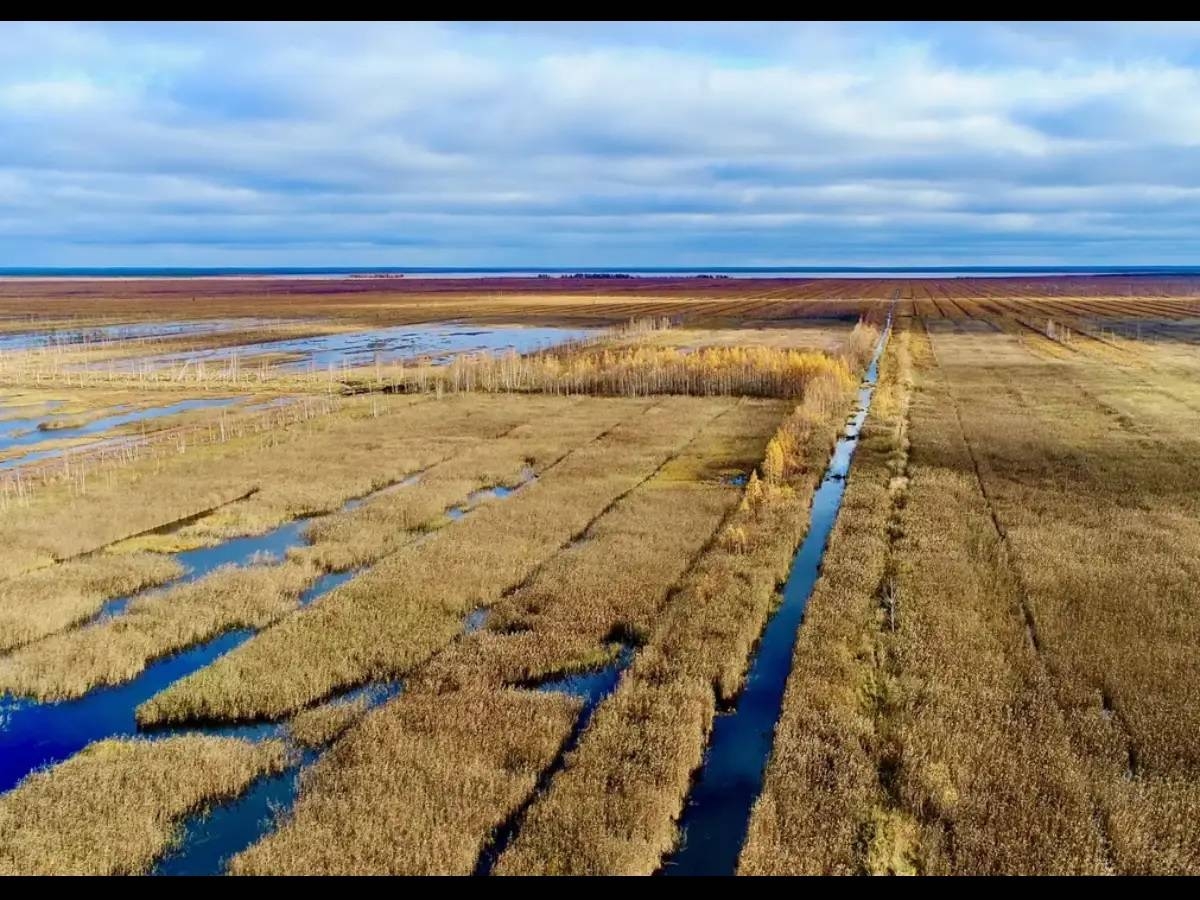
حذر علماء من جامعة «تومسك» الروسية من اختفاء نحو 20 % من الأراضي الرطبة في العالم بحلول عام 2050، وهي من بين أكثر النظم البيئية قيمة، رغم كونها من أكثر النظم هشاشة على كوكب الأرض.
ووفقا للعلماء، فإن البشرية فقدت منذ عام 1970 ما يقارب 22 % من هذه الأراضي، أي ما يعادل 411 مليون هكتار، وإذا استمر هذا الاتجاه، فقد تختفي نحو 20 % من الأراضي الرطبة المتبقية بحلول عام 2050.
وتشمل الأراضي الرطبة المستنقعات والبحيرات والأنهار والخزانات المائية الاصطناعية، بالإضافة إلى المناطق الساحلية للبحار.
وتشغل المستنقعات نحو 6 % من سطح الأرض، لكنها تسهم بأكثر من 7.5 % من الناتج المحلي الإجمالي العالمي. وتوفّر هذه النظم البيئية المياه النظيفة، وتحمي من الفيضانات، وتدعم الزراعة، وتمثل مخازن هائلة للكربون. غير أنها، بسبب تغيّر المناخ والنشاط البشري، تختفي بوتيرة أسرع من أي بيئة طبيعية أخرى.
وأشارت الدكتورة إيرينا فولكوفا، الأستاذة المشاركة في المعهد البيولوجي بالجامعة، إلى أن المستنقعات تلعب دورا خاصا في تنظيم المناخ، إذ إنها قادرة على مراكمة الكربون في رواسب الخث (مادة عضوية نباتية متحللة جزئيا) لآلاف السنين، كما أنها النوع الوحيد من البيئة الطبيعية الذي يبرّد المناخ العالمي باستمرار، وبالإضافة إلى ذلك، تحتوي المستنقعات على ضعف كمية الكربون التي تحتويها الغابات. وتكتسب المستنقعات الشاسعة في غرب سيبيريا أهمية خاصة، بما في ذلك مستنقع فاسيوغان الكبير، وهو أكبر حوض خث على الأرض.
وأكد العلماء أهمية الحفاظ على الأراضي الرطبة، فإلى جانب كونها ضرورة بيئية فهي أيضا ضرورة اقتصادية أيضاً، واختفاؤها سيؤدي إلى زعزعة استقرار المناخ، وانخفاض احتياطيات المياه العذبة، وزيادة وتيرة الفيضانات الكارثية.
Scientists from Tomsk State University in Russia have warned that about 20% of the world's wetlands could disappear by 2050, which are among the most valuable ecosystems, despite being some of the most fragile systems on Earth.
According to the scientists, humanity has lost approximately 22% of these wetlands since 1970, equivalent to 411 million hectares, and if this trend continues, around 20% of the remaining wetlands could vanish by 2050.
Wetlands include swamps, lakes, rivers, artificial water reservoirs, as well as coastal areas of seas.
Swamps cover about 6% of the Earth's surface, yet they contribute more than 7.5% of the global GDP. These ecosystems provide clean water, protect against flooding, support agriculture, and represent vast carbon stores. However, due to climate change and human activity, they are disappearing at a faster rate than any other natural environment.
Dr. Irina Volkova, an associate professor at the university's biological institute, pointed out that swamps play a special role in climate regulation, as they are capable of accumulating carbon in peat deposits (partially decayed plant organic matter) for thousands of years. They are also the only type of natural environment that continuously cools the global climate, and additionally, swamps contain twice the amount of carbon found in forests. The vast swamps in Western Siberia, including the great Vasyugan swamp, which is the largest peat basin on Earth, hold particular significance.
The scientists emphasized the importance of preserving wetlands, as they are not only an environmental necessity but also an economic one. Their disappearance will lead to climate instability, a decrease in freshwater reserves, and an increase in the frequency of catastrophic floods.