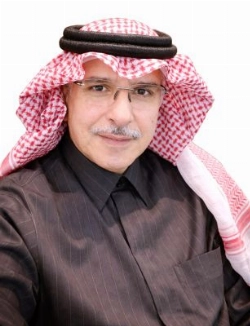
في عمر تجاوز 103 أعوام، لا يزال الدكتور هوارد تاكر يمارس الطب بنشاط، ليحصد لقب أكبر طبيب ممارس على مستوى العالم، كما أصبح نجمًا على منصة تيك توك بأكثر من 100 ألف متابع.
يؤكد الدكتور هوارد تاكر أن مفتاح طول العمر يكمن في السعي المستمر وراء المعرفة، والحفاظ على العلاقات الاجتماعية، مع الاستمتاع باللحظات البسيطة. ويرى أن النشاط العقلي والجسدي، إلى جانب التواصل مع الأجيال الشابة، يمنحه دافعًا متجددًا للحياة.
ويكشف تاكر أنه عانى من التمييز بسبب عمره، إذ تجاهله بعض الأطباء لكبر سنه، لكنه ينصح بعدم الالتفات لمثل هذه الأحكام ومواصلة التقدم بلا توقف.
رغم إصابة بعض أفراد عائلته بمرض الزهايمر، يوصي تاكر بالحفاظ على النشاط الذهني من خلال القراءة والتفاعل الاجتماعي، معتبرًا أن ذلك يبطئ من تطور المرض، حتى لو لم يمنع الإصابة به تمامًا.
أما بشأن المكملات الغذائية، فأبدى تحفظه، موضحًا أن الأبحاث ما تزال غير حاسمة حول جدواها، مؤكدًا أن الأطباء أنفسهم لا يتفقون على فائدتها.
يشدد تاكر على أن النشاط البدني لا يحتاج إلى مجهود معقد، فالمشي اليومي كافٍ للحفاظ على الصحة، إلى جانب تمارين ذهنية مثل القراءة وحل الألغاز. كما نبه إلى مخاطر التلوث البيئي، خاصة في المناطق الصناعية، على الصحة وطول العمر.
وبشأن أمراض الشيخوخة مثل التهاب المفاصل، أوضح أنه لا يوجد علاج نهائي لها، لكن الاستمرار في الحركة والنشاط يساعد على إبطاء تطورها.
وأشار إلى أن التطورات الطبية، مثل التصوير بالرنين المغناطيسي والمقطعي، أحدثت نقلة كبيرة في فهم دماغ كبار السن.
وتبقى تجربة تاكر نموذجًا ملهمًا وواقعيًا لمواجهة تحديات الشيخوخة، مع التمتع بحياة صحية مليئة بالإنجازات حتى بعد تجاوز المئة عام.
At the age of over 103 years, Dr. Howard Tucker is still actively practicing medicine, earning the title of the world's oldest practicing doctor, and he has also become a star on TikTok with over 100,000 followers.
Dr. Howard Tucker emphasizes that the key to longevity lies in the continuous pursuit of knowledge, maintaining social relationships, and enjoying simple moments. He believes that mental and physical activity, along with interaction with younger generations, gives him a renewed motivation for life.
Tucker reveals that he has faced discrimination due to his age, as some doctors have ignored him because of being older, but he advises not to pay attention to such judgments and to keep moving forward without stopping.
Despite some family members suffering from Alzheimer's disease, Tucker recommends maintaining mental activity through reading and social interaction, considering that it slows the progression of the disease, even if it does not completely prevent its onset.
Regarding dietary supplements, he expressed reservations, explaining that research is still inconclusive about their effectiveness, affirming that doctors themselves do not agree on their benefits.
Tucker stresses that physical activity does not require complicated effort; daily walking is sufficient to maintain health, along with mental exercises such as reading and solving puzzles. He also warned about the dangers of environmental pollution, especially in industrial areas, on health and longevity.
Concerning age-related diseases like arthritis, he clarified that there is no definitive cure for them, but continuing to move and stay active helps slow their progression.
He pointed out that medical advancements, such as MRI and CT imaging, have made a significant leap in understanding the brains of older adults.
Tucker's experience remains an inspiring and realistic model for facing the challenges of aging while enjoying a healthy life full of achievements even after surpassing the age of one hundred.