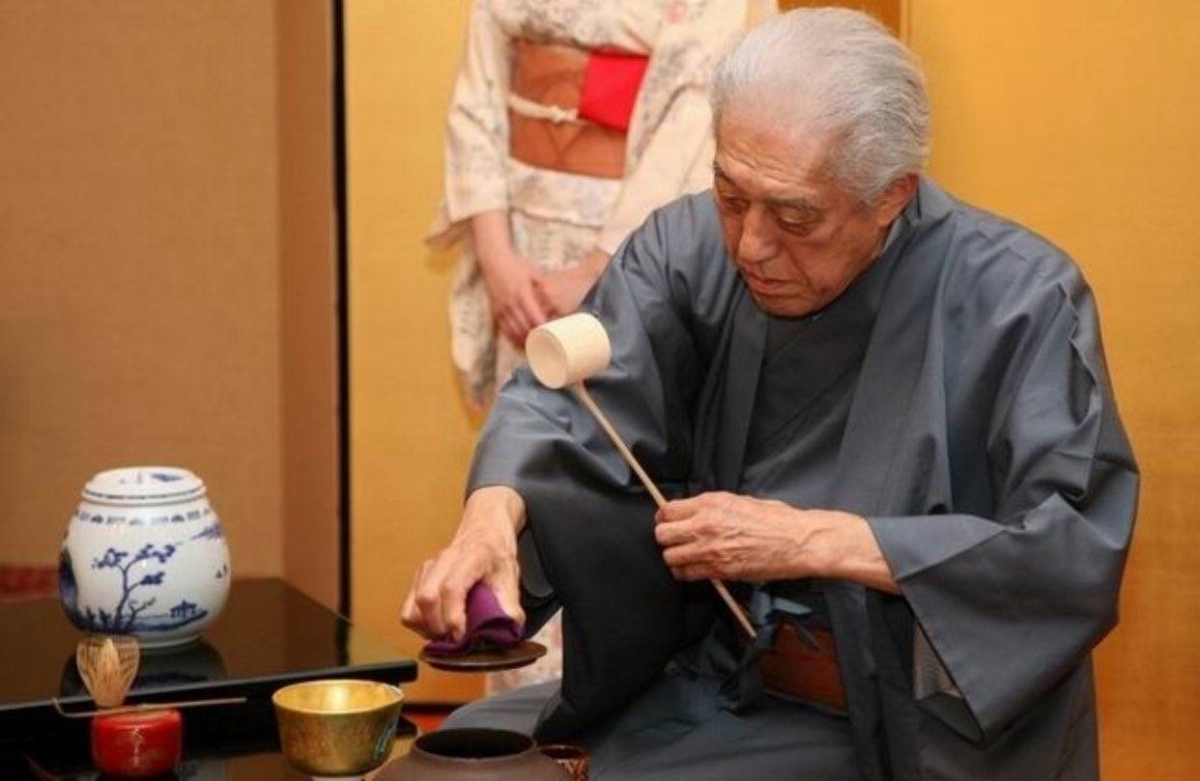
أعلنت مدرسة أوراسينكيه لتعليم تقاليد الشاي في اليابان وفاة المعلم الياباني الشهير الدكتور سين جنشيتسو، الرئيس الخامس عشر للمدرسة، أحد أبرز رموز فن الشاي التقليدي، سفير السلام العالمي من خلال هذا الفن، عن عمر ناهز 102 عام.
وذكرت «وكالة كيودو اليابانية للأنباء» أن جنشيتسو كان يشغل سابقاً منصب المعلم الأكبر لمدرسة «أوراسينكيه»، إحدى أبرز 3 مدارس لفن الشاي الياباني، وقضى حياته متنقلاً بين أكثر من 60 دولة لنشر رسالته المتمثلة في «السلام من خلال فنجان شاي». وفي شبابه، جُنّد كطيار في البحرية الإمبراطورية اليابانية خلال الحرب العالمية الثانية إلا أنه لم يشارك في أي مهمة بسبب انتهاء الحرب.
وُلد سين جنشيتسو في عام 1923 في عائلة أوراسينكيه في كيوتو التي تعود جذورها إلى المعلم التاريخي سن نو ريكيو (1522–1591)، الذي يُنسب إليه تأسيس أسلوب «وابي» في فن الشاي.
بعد الحرب، سافر جنشيتسو إلى الولايات المتحدة عام 1951 لنشر فن الشاي، وأصبح المعلم الخامس عشر لمدرسة أوراسينكيه في عام 1964، وبقي في المنصب حتى عام 2002.
وقدّم الشاي لكبار الشخصيات اليابانية والزعماء الدوليين، من بينهم الملكة إليزابيث الثانية، والبابا يوحنا بولس الثاني، والرئيس الأمريكي جورج بوش الابن.
وألقى جنشيتسو محاضرات في جامعات مثل جامعة هاواي، والتقى الزعيم الصيني الراحل دنغ شياو بينغ، ما أدى إلى تأسيس مؤسسة تعليمية لفن الشاي في الصين. وفي الفاتيكان، قدّم طقوس الشاي أمام البابا، ما يرمز إلى حوار ثقافي وإنساني عالمي.
ورغم تقاعده الرسمي، واصل جنشيتسو جهوده لنشر السلام عبر «طريق الشاي»، وشغل مناصب بارزة منها سفير النوايا الحسنة لمنظمة الأمم المتحدة للتربية والعلوم والثقافة (يونيسكو).. وعمل مساعداً خاصاً لوزير الخارجية الياباني.
حصل على وسام الثقافة من الحكومة اليابانية عام 1997، كأول شخصية من عالم الشاي تنال هذا التكريم، ونال أيضاً وسام «جوقة الشرف» برتبة قائد من فرنسا عام 2020.
وتمتلك مدرسة أوراسينكيه اليوم 167 فرعاً داخل اليابان، ولها حضور عالمي واسع، ما يخلّد إرث معلم قضى حياته في تحويل فنجان شاي إلى رمز للسلام العالمي.
The Urasenke School of Tea Tradition in Japan announced the passing of the renowned Japanese master Dr. Sen Genshitsu, the fifteenth president of the school and one of the most prominent figures in the traditional tea art, a global ambassador of peace through this art, at the age of 102.
Kyodo News Agency reported that Genshitsu previously held the position of Grand Master of the Urasenke School, one of the three main schools of Japanese tea art, and spent his life traveling to over 60 countries to spread his message of "peace through a cup of tea." In his youth, he was recruited as a pilot in the Imperial Japanese Navy during World War II, but he did not participate in any missions due to the war's end.
Sen Genshitsu was born in 1923 into a Urasenke family in Kyoto, which traces its roots to the historical master Sen no Rikyū (1522–1591), who is credited with founding the "wabi" style of tea art.
After the war, Genshitsu traveled to the United States in 1951 to promote the tea art and became the fifteenth master of the Urasenke School in 1964, remaining in that position until 2002.
He served tea to prominent Japanese figures and international leaders, including Queen Elizabeth II, Pope John Paul II, and U.S. President George W. Bush.
Genshitsu delivered lectures at universities such as the University of Hawaii and met with the late Chinese leader Deng Xiaoping, which led to the establishment of an educational foundation for tea art in China. In the Vatican, he presented tea rituals before the Pope, symbolizing a global cultural and humanitarian dialogue.
Despite his official retirement, Genshitsu continued his efforts to promote peace through the "Way of Tea," holding prominent positions including Goodwill Ambassador for the United Nations Educational, Scientific and Cultural Organization (UNESCO) and serving as a special assistant to the Japanese Foreign Minister.
He received the Order of Culture from the Japanese government in 1997, becoming the first figure from the tea world to receive this honor, and he was also awarded the Order of the Legion of Honor at the rank of Commander from France in 2020.
Today, the Urasenke School has 167 branches within Japan and a wide global presence, immortalizing the legacy of a master who dedicated his life to transforming a cup of tea into a symbol of world peace.