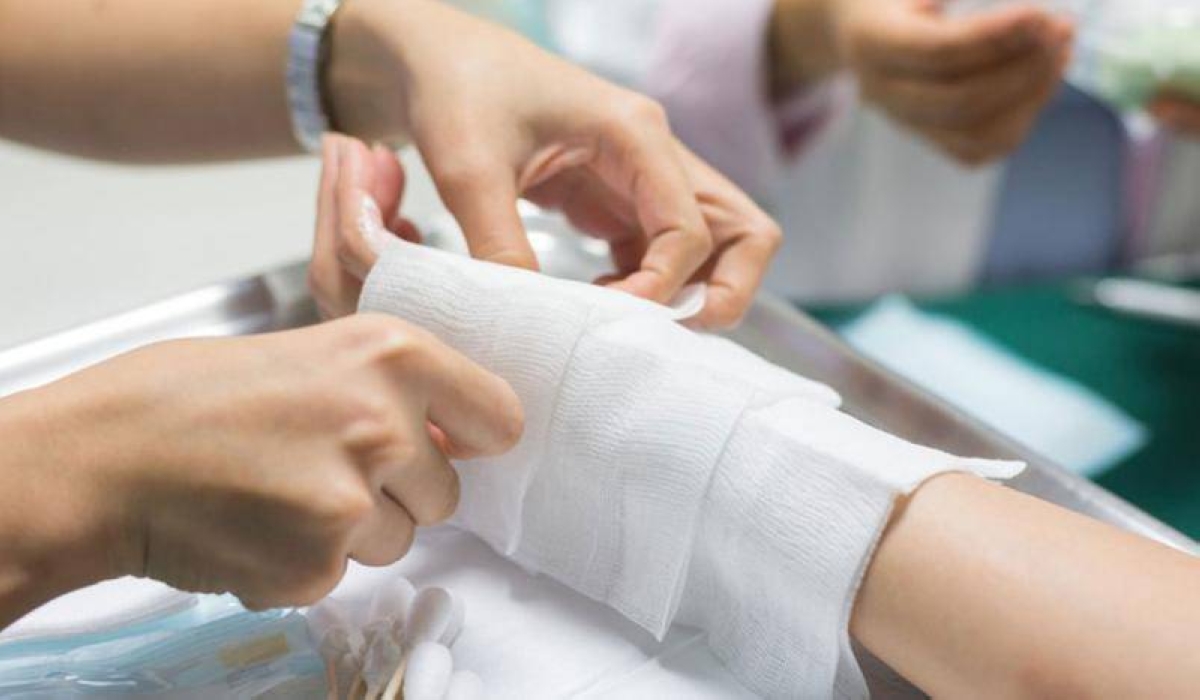
ابتكر علماء من جامعة لينشوبينغ السويدية هلاما يحتوي على خلايا حية، يعرف باسم «جلد في حقنة»، يمكن استخدامه في زراعة الجلد لعلاج الحروق.
وبحسب ما جاء في دورية «Advanced Healthcare Materials» أن في حالات الحروق، غالبا ما تزرع الطبقة العليا من الجلد فقط، أي البشرة، إلا أن هذا غالبا ما يؤدي إلى نشوء ندوب خشنة، بسبب غياب طبقة أعمق وأكثر تعقيدا، وهي طبقة «الأدمة»، التي تحتوي على الأوعية الدموية والأعصاب وبصيلات الشعر، والمسؤولة عن مرونة الجلد ووظائفه.
وذكر العلماء أن من الصعب الحصول على الأدمة في المختبر، لأنها تتكون من تراكيب مختلفة. لذلك تم اقتراح طريقة جديدة تقوم على زراعة «وحدات بناء»، وهي خلايا النسيج الضام (الخلايا الليفية) التي يسهل زراعتها في المختبر، ويمكن أن تتحول إلى أنواع مختلفة من الخلايا حسب احتياجات الجسم.
وأضافوا، لتحقيق هذه الفكرة، تتم زراعة الخلايا على كرات جيلاتينية صغيرة تشبه في تركيبها كولاجين الجلد، وللحفاظ على الجل مع هذه الكرات في مكان الجرح، يخلط بحمض الهيالورونيك، وتدمج المكونات باستخدام تفاعل كيميائي، ما أدى إلى الحصول على مادة متينة وسهلة الاستخدام تعرف باسم «جلد في حقنة».
ووفقا للعلماء، ستكون هذه المادة وسيلة فعالة لاستعادة الجلد بشكل كامل لدى المصابين بالحروق، إلا أن هناك حاجة إلى مزيد من البحث لتأكيد فعالية هذه التقنية الجديدة.
Scientists from Linköping University in Sweden have developed a gel containing living cells, known as "skin in a syringe," which can be used for skin grafting to treat burns.
According to what was published in the journal "Advanced Healthcare Materials," in cases of burns, often only the upper layer of the skin, the epidermis, is grafted. However, this often leads to the formation of rough scars due to the absence of a deeper and more complex layer, the dermis, which contains blood vessels, nerves, and hair follicles, and is responsible for the skin's elasticity and functions.
The scientists noted that it is difficult to obtain the dermis in the laboratory because it consists of different structures. Therefore, a new method was proposed that involves cultivating "building blocks," which are connective tissue cells (fibroblasts) that are easy to culture in the lab and can transform into different types of cells according to the body's needs.
They added that to achieve this idea, the cells are cultivated on small gelatinous spheres that resemble the collagen in the skin. To keep the gel with these spheres in place at the wound site, it is mixed with hyaluronic acid, and the components are combined using a chemical reaction, resulting in a durable and easy-to-use material known as "skin in a syringe."
According to the scientists, this material will be an effective means of fully restoring skin for burn victims, although further research is needed to confirm the effectiveness of this new technique.