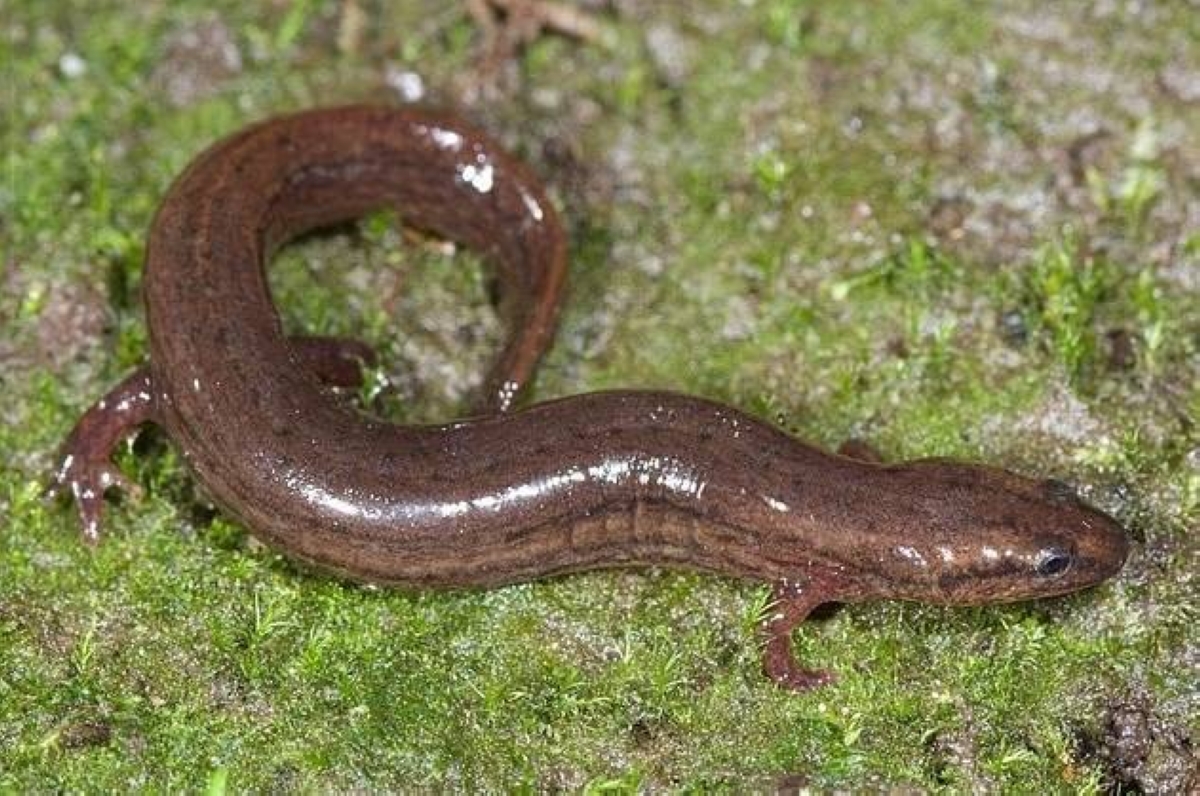
في إنجاز علمي لافت، أعلن فريق بحثي العثور على السمندر متعدد الخطوط (Many-lined Salamander) حيًا في غابات شمال فلوريدا، بعد أن كان يُعتقد أنه انقرض في الولاية منذ آخر مشاهدة موثقة له عام 1991. وجاء الاكتشاف ضمن دراسة نُشرت في مجلة Florida Field Naturalist، إذ تم توثيق 23 سمندرًا في بيئات مائية نادرة، ليعيد الأمل في بقاء هذا البرمائي الفريد.
عمليات البحث التي استمرت بين عامي 2022 و2024 شملت أكثر من 12 موقعًا في تيارات المياه السوداء بمقاطعات باكر وكولومبيا وناسو ويونيون، بالتعاون بين معهد أبحاث هيئة فلوريدا للحفاظ على الأسماك والحياة البرية، وهيئة كارولينا الشمالية لموارد الحياة البرية. ورغم صعوبة المهمة بسبب ارتفاع منسوب المياه، ابتكر الفريق تقنية جديدة بوضع أكياس شبكية مملوءة بأوراق متحللة في قاع الجداول لمحاكاة بيئة السمندر الطبيعية، ما ساعد على اكتشاف 17 فردًا في غابة أوسيولا الوطنية و6 في غابة جون إم بيثيا الحكومية، من بينها 8 بالغة.
ورغم فرحة الاكتشاف، حذّر الباحثون من أن استقرار أعداد السمندر لا يزال غير مضمون، خصوصاً في ظل تهديدات فقدان الموائل الرطبة وتغير المناخ. وأكدوا أن هذا النوع، الذي يُعد فلوريدا الحد الجنوبي لمداه الجغرافي، يمثل جزءًا فريدًا من تراث الولاية الطبيعي، ما يستدعي تكثيف جهود الحماية لضمان بقائه مؤشرًا على صحة النظم البيئية للأراضي الرطبة.
In a remarkable scientific achievement, a research team announced the discovery of the Many-lined Salamander alive in the forests of North Florida, after it was believed to have gone extinct in the state since its last documented sighting in 1991. The discovery was part of a study published in the Florida Field Naturalist, where 23 salamanders were documented in rare aquatic environments, rekindling hope for the survival of this unique amphibian.
The search operations, which took place between 2022 and 2024, included more than 12 sites in the blackwater streams of Baker, Columbia, Nassau, and Union counties, in collaboration between the Florida Fish and Wildlife Conservation Commission Research Institute and the North Carolina Wildlife Resources Commission. Despite the challenges posed by high water levels, the team developed a new technique by placing mesh bags filled with decaying leaves at the bottom of the streams to simulate the salamander's natural habitat, which helped in discovering 17 individuals in the Osceola National Forest and 6 in the John M. Bethea State Forest, among them 8 adults.
Despite the joy of the discovery, researchers warned that the stability of salamander populations remains uncertain, especially in light of threats from wetland habitat loss and climate change. They emphasized that this species, which considers Florida the southern limit of its geographic range, represents a unique part of the state's natural heritage, necessitating intensified conservation efforts to ensure its survival as an indicator of the health of wetland ecosystems.