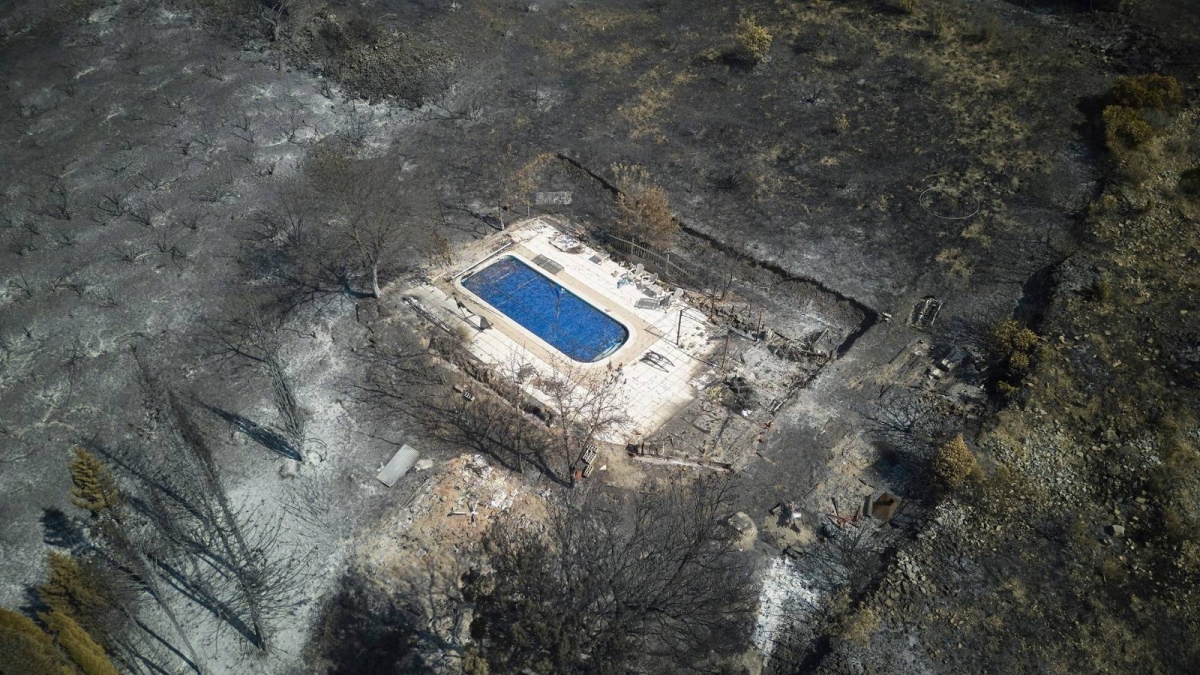
تشهد جنوب أوروبا موجة حرائق غابات غير مسبوقة، حيث أُغلقت مسارات السياحة في جبل فيزوف بجنوب إيطاليا بسبب حريق هائل اندلع منذ أيام، بينما حذرت السلطات الفرنسية من يوم صعب في مكافحة أكبر حريق غابات تشهده البلاد منذ عام 1949.
في إيطاليا، امتد الحريق في حديقة فيزوف الوطنية بالقرب من نابولي ليغطي نحو 3 كيلومترات بحلول مساء أمس (السبت)، مُدمرًا مئات الهكتارات من الغابات ومُسببًا نفوق حيوانات برية.
وكانت الأدخنة الكثيفة مرئية من بومبي ونابولي، ما دفع السلطات إلى إغلاق جميع مسارات التنزه في الجبل لتأمين سلامة الزوار وتسهيل عمليات الإطفاء.
ونشرت إيطاليا 6 طائرات إطفاء من طراز كانادير و12 فرقة إطفاء على الأرض، بمساندة جنود وشرطة ومتطوعين من الحماية المدنية، مع استخدام طائرات مسيرة لمراقبة انتشار الحريق.
وأثر الحريق بشكل رئيسي على غابة تيرزينيو الصنوبرية ومناطق قريبة من بلدات تريكاسي وإركولانو وأوتافيانو عند سفح الجبل.
ووصف فرانشيسكو رانييري، رئيس بلدية تيرزينيو، الوضع بأنه حرج للغاية ليلة السبت، مشيرًا إلى شبهات قوية بأن الحريق قد يكون ناتجًا عن حريق متعمد. ومع ذلك، لم تصل النيران إلى المنازل بفضل جهود رجال الإطفاء. وبقي موقع بومبي الأثري مفتوحًا للزوار رغم الأدخنة.
وفي فرنسا، تمكنت فرق الإطفاء في منطقة أود الجنوبية من احتواء حريق هائل أودى بحياة شخص وأصاب عدة آخرين، لكنه ظل يهدد بسبب موجة حر متوقعة تصل إلى 40 درجة مئوية وهبوب رياح جافة.
وقال كريستيان بوجيه، محافظ أود، إن يوم الأحد، 10 أغسطس 2025، سيكون صعبًا بسبب التحذير الأحمر من الحرارة الشديدة، ما يعقد جهود السيطرة على الحريق الذي اجتاح 16 ألف هكتار من النباتات، وهي مساحة تعادل حجم باريس.
وأشار قائد فرق الإطفاء في المنطقة كريستوف ماني إلى أن الحريق لن يُطفأ بالكامل قبل أسابيع، مع استمرار نشر 1300 رجل إطفاء لمنع اشتعاله مجددًا.
وتُعد هذه الحرائق جزءًا من موجة حرائق غابات تجتاح جنوب أوروبا، مدفوعة بموجات حر وجفاف شديدين مرتبطين بالتغير المناخي الناتج عن الأنشطة البشرية.
وقد أدت هذه الظروف إلى زيادة احتمالية الحرائق وتوسع المناطق المحترقة في مناطق مثل جنوب أوروبا، شمال أوراسيا، الولايات المتحدة، وأستراليا، مع تمديد موسم الحرائق عالميًا بنحو أسبوعين في المتوسط.
وفي إيطاليا، أثارت الأدخنة الكثيفة مخاوف صحية في بلدات إركولانو وتوري ديل غريكو، بينما في فرنسا، أبلغت إيمانويل بيرنييه، مزارعة في أود، عن خسارة 17 حيوانًا في الحريق، واصفة المشهد بـ«المدمي».
Southern Europe is experiencing an unprecedented wave of wildfires, with tourist trails on Mount Vesuvius in southern Italy closed due to a massive fire that broke out days ago, while French authorities warned of a difficult day in combating the largest wildfire the country has seen since 1949.
In Italy, the fire in Vesuvius National Park near Naples spread to cover about 3 kilometers by last night (Saturday), destroying hundreds of hectares of forest and causing the death of wildlife.
The thick smoke was visible from Pompeii and Naples, prompting authorities to close all hiking trails on the mountain to ensure visitor safety and facilitate firefighting operations.
Italy deployed 6 Canadair firefighting planes and 12 ground firefighting teams, supported by soldiers, police, and civil protection volunteers, using drones to monitor the spread of the fire.
The fire primarily affected the Terzigno pine forest and areas near the towns of Trecase, Ercolano, and Ottaviano at the foot of the mountain.
Francesco Ranieri, the mayor of Terzigno, described the situation as extremely critical on Saturday night, noting strong suspicions that the fire may have been caused by arson. However, the flames did not reach homes thanks to the efforts of firefighters. The archaeological site of Pompeii remained open to visitors despite the smoke.
In France, firefighting teams in the southern Aude region managed to contain a massive fire that claimed one life and injured several others, but it continued to pose a threat due to an expected heatwave reaching 40 degrees Celsius and dry winds.
Christian Bouget, the prefect of Aude, stated that Sunday, August 10, 2025, would be difficult due to the red alert for extreme heat, complicating efforts to control the fire that has swept across 16,000 hectares of vegetation, an area equivalent to the size of Paris.
Christophe Mani, the head of firefighting teams in the region, indicated that the fire would not be fully extinguished for weeks, with 1,300 firefighters deployed to prevent it from reigniting.
These wildfires are part of a wave of forest fires sweeping across Southern Europe, driven by intense heatwaves and severe drought linked to climate change resulting from human activities.
These conditions have increased the likelihood of fires and the expansion of burned areas in regions such as Southern Europe, Northern Eurasia, the United States, and Australia, with the global fire season extended by about two weeks on average.
In Italy, the thick smoke raised health concerns in the towns of Ercolano and Torre del Greco, while in France, Emmanuel Bernier, a farmer in Aude, reported the loss of 17 animals in the fire, describing the scene as "bloodied."