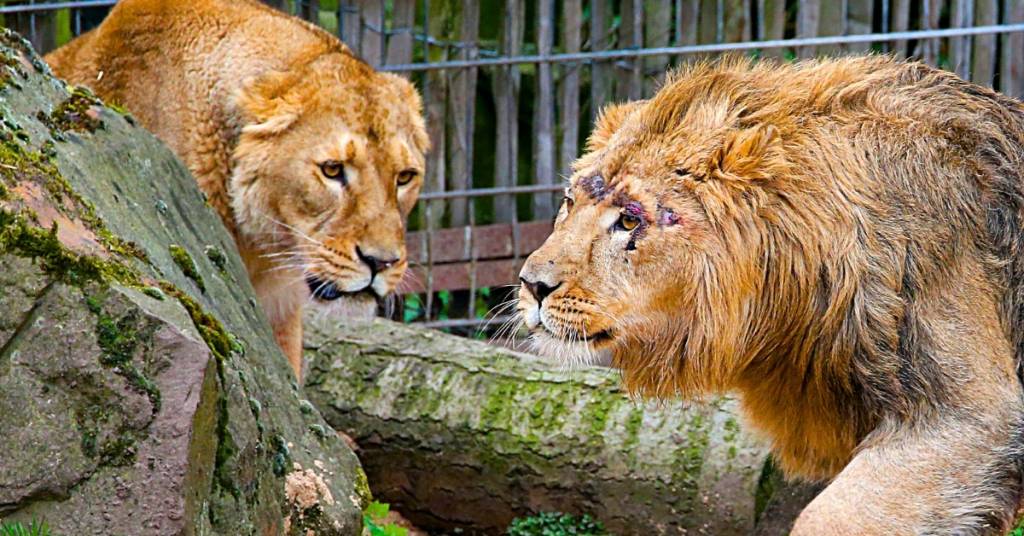
أعلنت حديقة حيوان «آلبورغ» في شمال الدنمارك برنامجا جديدا يسمح للسكان بالتبرع بحيواناتهم الأليفة غير المرغوب فيها، مثل الأرانب والدجاج وحتى الخيول، لاستخدامها كغذاء للحيوانات المفترسة مثل الأسود والذئاب.
وأوضحت الحديقة أن هذا الإجراء يهدف إلى محاكاة السلوك الطبيعي للحيوانات المفترسة داخل الأسر، وضمان حصولها على تغذية متكاملة وتحفيز ذهني عبر تقديم فرائس كاملة بدلاً من اللحوم المغلفة والمصنعة.
وأشارت إلى أن الحيوانات المتبرع بها يجب أن تكون خالية من الأمراض، ولم تتناول أدوية خلال الشهر الماضي، ويُشترط أن تكون صالحة للنقل، حيث يتم قتلها «بلطف» قبل تقديمها كغذاء للحيوانات المفترسة.
وأكد مسؤولو الحديقة عبر وسائل التواصل الاجتماعي أن الهدف من البرنامج ليس الصدمة أو الجدل، بل دعم ممارسات بيئية ومهنية مسؤولة. كما أشارت الحديقة إلى أن المتبرعين قد يحصلون على إعفاءات ضريبية مقابل تبرعاتهم.
وأثار البرنامج موجة من الجدل الأخلاقي على منصات التواصل، حيث اعتبره البعض «صادماً» وغير إنساني، بينما رأى آخرون أنه وسيلة عملية لتقليل النفايات الحيوانية ودعم بيئة حديقة الحيوان.
وتأتي هذه المبادرة في وقت تتزايد فيه مناقشات حقوق الحيوان، خصوصاً في السياقات التي تمزج بين رعاية الحيوانات البرية والقرارات الأخلاقية المتعلقة بالحيوانات الأليفة.
The "Aalborg" Zoo in northern Denmark has announced a new program that allows residents to donate their unwanted pets, such as rabbits, chickens, and even horses, to be used as food for predators like lions and wolves.
The zoo explained that this measure aims to simulate the natural behavior of predators in captivity, ensuring they receive a balanced diet and mental stimulation by providing whole prey instead of packaged and processed meats.
It noted that the donated animals must be free of diseases, have not taken any medications in the past month, and must be fit for transport, as they will be killed "humanely" before being offered as food for the predators.
Zoo officials confirmed via social media that the goal of the program is not to shock or provoke controversy, but to support responsible environmental and professional practices. The zoo also mentioned that donors may receive tax deductions for their contributions.
The program has sparked a wave of ethical debate on social media, with some considering it "shocking" and inhumane, while others see it as a practical way to reduce animal waste and support the zoo's environment.
This initiative comes at a time when discussions about animal rights are increasing, especially in contexts that blend the care of wild animals with ethical decisions regarding pets.