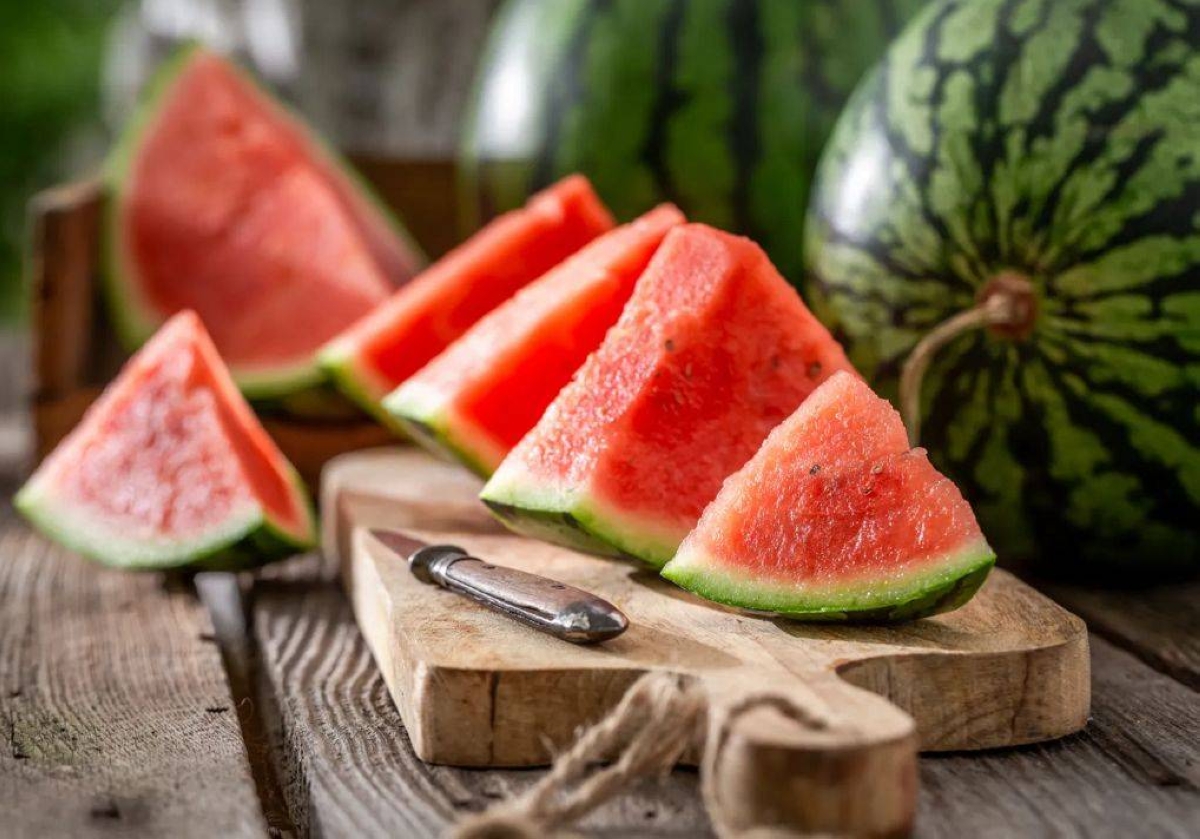
مع ارتفاع درجات الحرارة في معظم أنحاء العالم، تتجدد مكانة «الحبحب» أو «البطيخ» كرمز صيفي حاضر في تفاصيل الحياة اليومية، يجمع بين الطعم المنعش والفائدة الغذائية.
ويصادف الثالث من أغسطس من كل عام ما يُعرف عالميا بـ«اليوم العالمي للبطيخ»، وهي مناسبة غير رسمية تحتفي بهذه الفاكهة التي تجاوزت كونها مجرد طعام، لتتحول إلى طقس اجتماعي وثقافي في كثير من المجتمعات.
يُعرف الحبحب بقيمته الغذائية العالية، إذ يحتوي على أكثر من 90% من الماء، ما يجعله من أفضل الخيارات الطبيعية لترطيب الجسم في الأجواء الحارة. كما يُعد غنياً بفيتامين C، وفيتامين A، ومضادات الأكسدة مثل الليكوبين، التي تسهم في دعم صحة القلب والمناعة. إضافة إلى ذلك، فهو منخفض السعرات الحرارية، ما يجعله خياراً مثالياً لمن يتبعون أنظمة غذائية صحية.
وتشير دراسات غذائية إلى أن تناول الحبحب بانتظام خلال فصل الصيف لا ينعش الجسم فقط، بل يساعد أيضاً في الوقاية من الجفاف وما يسببه من آثار مزعجة مثل الصداع أو الشعور بالتعب. ففي الأجواء الحارة، يفقد الجسم الكثير من السوائل، وإذا لم يتم تعويضها قد تظهر أعراض مثل الدوخة أو الإرهاق. ولأن الحبحب يحتوي على نسبة عالية من الماء والمعادن فهو يرطّب الجسم بطريقة طبيعية ويخفف من تأثير الحر على الصحة.
ويُعد الحبحب من المحاصيل الصيفية البارزة في السعودية، وتتركز زراعته في مناطق عدة، من أبرزها: القصيم، الجوف، حائل، ووادي الدواسر. وتحقق المملكة اكتفاءً ذاتياً عالياً من إنتاجه، ما يعكس حضور هذه الفاكهة في المائدة المحلية ومكانتها في القطاع الزراعي.
With rising temperatures in most parts of the world, the status of "habbah" or "watermelon" is renewed as a summer symbol present in the details of daily life, combining refreshing taste and nutritional benefits.
August 3rd of each year coincides with what is globally known as "World Watermelon Day," an unofficial occasion that celebrates this fruit, which has transcended being just food to become a social and cultural ritual in many communities.
Watermelon is known for its high nutritional value, as it contains more than 90% water, making it one of the best natural options for hydrating the body in hot weather. It is also rich in vitamin C, vitamin A, and antioxidants such as lycopene, which contribute to supporting heart health and immunity. Additionally, it is low in calories, making it an ideal choice for those following healthy diets.
Nutritional studies indicate that consuming watermelon regularly during the summer not only refreshes the body but also helps prevent dehydration and its annoying effects, such as headaches or feelings of fatigue. In hot weather, the body loses a lot of fluids, and if they are not replenished, symptoms such as dizziness or exhaustion may appear. Because watermelon contains a high percentage of water and minerals, it hydrates the body naturally and alleviates the impact of heat on health.
Watermelon is considered one of the prominent summer crops in Saudi Arabia, with its cultivation concentrated in several regions, most notably: Al-Qassim, Al-Jawf, Ha'il, and Wadi Al-Dawasir. The Kingdom achieves a high level of self-sufficiency in its production, reflecting the presence of this fruit on local tables and its status in the agricultural sector.