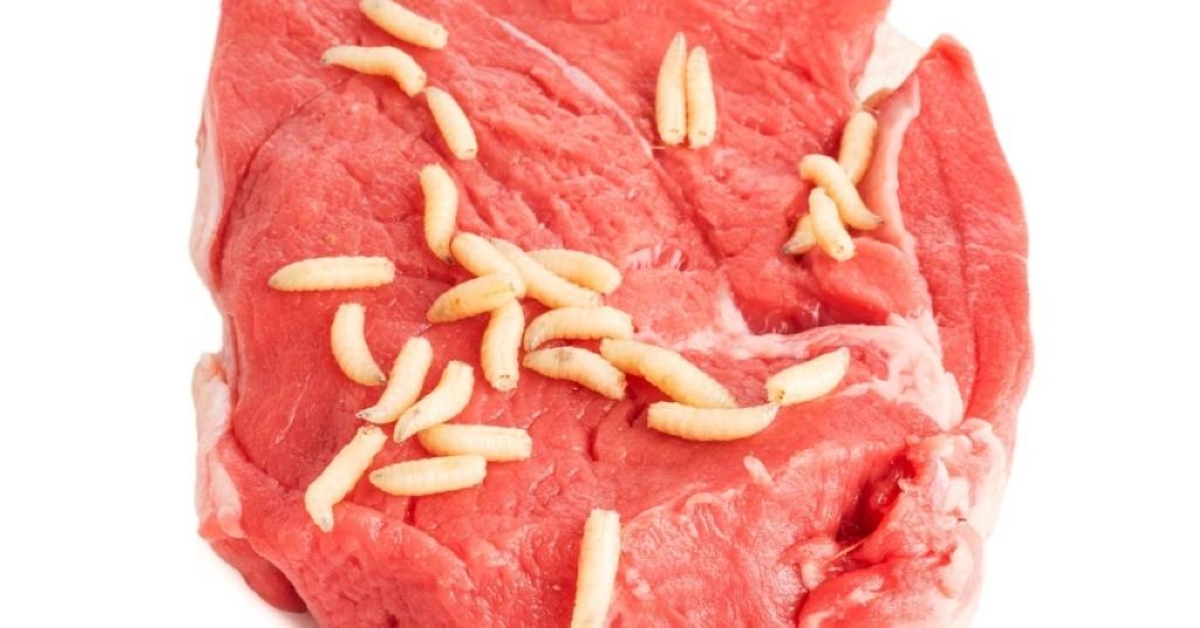
توصلت دراسة جديدة نُشرت في مجلة (ساينس أدفانسز) إلى أن إنسان العصر الجليدي لم يكن مجرد صياد قوي، بل كان إستراتيجيًا في اختيارات طعامه، حيث كان يتناول اللحوم المتعفنة التي تحتوي على يرقات. في ظل الظروف القاسية التي كان يعيشها البشر في فترة العصر الجليدي، كان إنسان العصر الجليدي يتجنب التسمم الناتج عن الإفراط في تناول اللحوم الطازجة، ويختار اللحوم المتحللة التي تحتوي على ديدان كجزء من إستراتيجيته للبقاء على قيد الحياة.
وأظهرت التحليلات الكيميائية لعظام إنسان العصر الجليدي مستويات عالية من نظائر النيتروجين، ما دفع العلماء إلى الاعتقاد بأنهم كانوا يتناولون لحومًا غنية بالبروتين، ولكن كان هناك مشكلة فالبشر لا يستطيعون هضم هذه الكمية الكبيرة من البروتين. لكن العلماء اكتشفوا أن يرقات الذباب التي نمت على اللحوم المتعفنة كانت توفر مصدرًا غنيًا بالسعرات الحرارية والدهون، مما جعلها غذاءً مناسبًا للبقاء على قيد الحياة.
ولعل اليرقات التي كانت غنية بالنيتروجين هي السبب في تلك المستويات العالية التي لوحظت في بقايا إنسان العصر الجليدي. وبحسب الدراسة، فإن استهلاك اليرقات أو اللحوم المتعفنة التي تحتوي عليها ربما كان مفضلًا لدى البشر الأوائل في تلك الحقبة، على الرغم من أنه قد يبدو غير مقبول اليوم.
وتكمن المفاجأة في أن العديد من المجتمعات الأصلية في الوقت الحالي لا تزال تتناول اللحوم المتحللة عمدًا، بل وتعتبر اليرقات غذاءً شهيًا، مما يسلط الضوء على كيفية تكيف إنسان العصر الجليدي مع الظروف القاسية.
كما أظهرت الدراسة أن اليرقات في الشتاء كانت تحتوي على مستويات نيتروجين أعلى مقارنة بتلك التي تنمو في الصيف، مما يعكس الإستراتيجيات الباردة لتخزين الطعام في فترة الجليد، حيث كانت حرارة الفرو تسهم في استمرار تعفن اللحوم حتى في درجات الحرارة المنخفضة.
وهذه النتائج لا تثبت تمامًا أن إنسان العصر الجليدي كان يتغذى على اليرقات، لكنها تقدم تفسيرًا مقنعًا للبيانات الغريبة التي تم جمعها عن طعام الإنسان القديم. ومع ذلك، فإن هذا الاكتشاف يُظهر أن البشر الأوائل كانوا ناجين ماهرين، قادرين على التكيف مع الظروف القاسية، حتى إذا تطلب الأمر أكل لحوم مليئة بالديدان.
A new study published in the journal (Science Advances) has found that Ice Age humans were not just strong hunters, but also strategic in their food choices, as they consumed rotten meats containing larvae. In the harsh conditions that humans lived in during the Ice Age, Ice Age humans avoided the poisoning that resulted from overeating fresh meat, opting instead for decaying meats that contained worms as part of their survival strategy.
Chemical analyses of Ice Age human bones showed high levels of nitrogen isotopes, leading scientists to believe that they were consuming protein-rich meats. However, there was a problem: humans cannot digest such large amounts of protein. But scientists discovered that the fly larvae that grew on the rotten meats provided a rich source of calories and fats, making them a suitable food for survival.
Perhaps the nitrogen-rich larvae are the reason for the high levels observed in the remains of Ice Age humans. According to the study, the consumption of larvae or the rotten meats containing them may have been preferred by early humans during that era, even though it may seem unacceptable today.
The surprise is that many indigenous communities today still deliberately consume decaying meats and even consider larvae a delicacy, highlighting how Ice Age humans adapted to harsh conditions.
The study also showed that larvae in winter contained higher nitrogen levels compared to those that grow in summer, reflecting cold strategies for food storage during the ice age, where the warmth of fur contributed to the continued decay of meat even at low temperatures.
These findings do not completely prove that Ice Age humans fed on larvae, but they provide a compelling explanation for the strange data collected about ancient human diets. Nonetheless, this discovery shows that early humans were skilled survivors, capable of adapting to harsh conditions, even if it meant eating meat filled with worms.