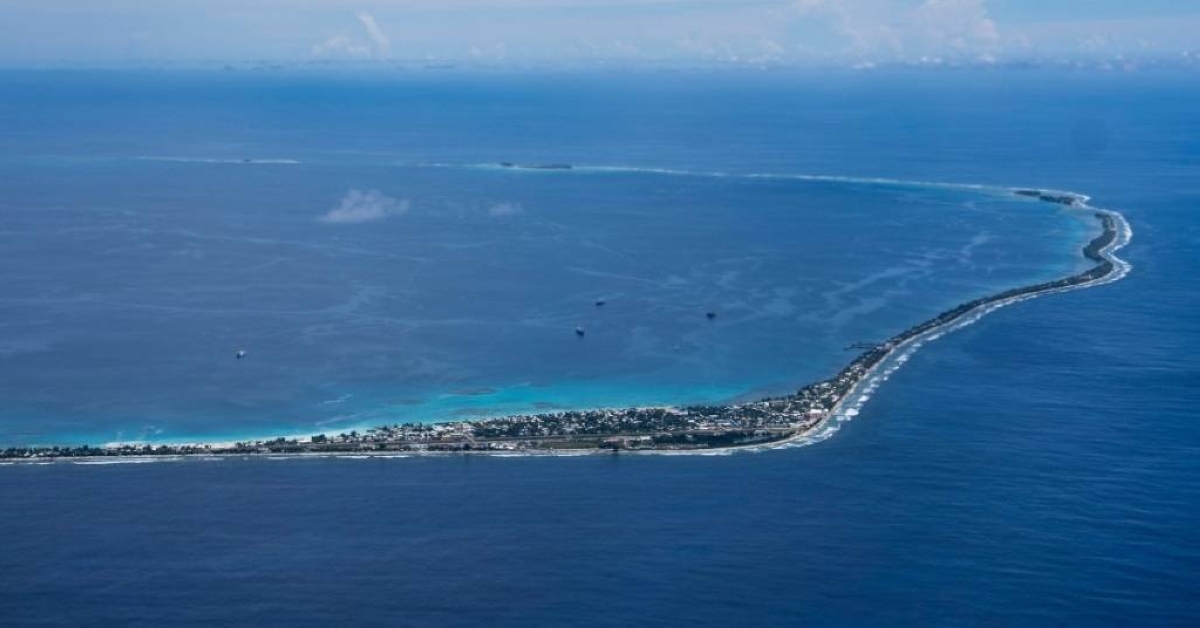
بدأت دولة توفالو الواقعة في المحيط الهادئ أول عملية إخلاء جماعية من نوعها، في خطوة وُصفت بأنها «سابقة مناخية»، بعدما أكدت التقديرات أن أرخبيلها قد يصبح غير صالح للسكن بحلول عام 2050 نتيجة ارتفاع منسوب مياه البحر.
وبموجب «معاهدة اتحاد فاليبيلي» التي أبرمتها توفالو مع أستراليا في عام 2023، سيُمنح 280 مواطنًا من توفالو سنويًا حق الإقامة الدائمة في أستراليا، تشمل مزايا التعليم والرعاية الصحية والتوظيف والسكن. وقد تقدم أكثر من 8750 شخصًا – يشملون أفراد عائلات – للحصول على أحد هذه الأماكن المحدودة.
تشير الأرقام إلى أن مستوى سطح البحر في توفالو ارتفع بمقدار 15 سنتيمترًا خلال الثلاثين عامًا الماضية، وهو معدل يتجاوز المتوسط العالمي. وتعد هذه الزيادة كافية لتشكّل تهديدًا وجوديًا لسكان البلاد البالغ عددهم نحو 11 ألف نسمة، المنتشرين على تسع جزر منخفضة الارتفاع.
في مواجهة هذا الخطر، تسعى توفالو لحفظ ثقافتها وهويتها من خلال مشروع للتحول إلى أول «دولة رقمية» في العالم. يشمل المشروع رقمنة الجزر عبر المسح ثلاثي الأبعاد، وتحويل الوظائف الحكومية إلى صيغة إلكترونية، وحتى إعادة صياغة الدستور لتعريف الدولة ككيان افتراضي قابل للاستمرار رغم اختفاء أراضيه.
لا تقف أزمة توفالو عند حدودها الجغرافية؛ فوكالة ناسا تؤكد أن وتيرة ارتفاع مستوى البحار قد تضاعفت منذ 1993. وتشهد مناطق مثل خليج المكسيك معدلات ارتفاع تفوق المتوسط بثلاثة أضعاف، ما يهدد ولايات أمريكية عدة بفقدان سواحلها، مثل فلوريدا ولويزيانا وتكساس وألاباما وميسيسيبي.
توفالو، كما يرى الخبراء، هي بمثابة «الكناري في منجم الفحم» – وذلك إشارة إلى الإنذار المبكر في وجه كارثة مناخية تلوح في الأفق وتحتاج إلى تحرك عالمي عاجل.
The Pacific island nation of Tuvalu has begun its first mass evacuation of its kind, in a move described as a "climate precedent," after estimates confirmed that its archipelago could become uninhabitable by 2050 due to rising sea levels.
Under the "Valibeli Union Treaty" signed by Tuvalu with Australia in 2023, 280 Tuvaluan citizens will be granted permanent residency in Australia each year, including benefits for education, healthcare, employment, and housing. More than 8,750 people – including family members – have applied for one of these limited spots.
Figures indicate that sea levels in Tuvalu have risen by 15 centimeters over the past thirty years, a rate that exceeds the global average. This increase is sufficient to pose an existential threat to the country's population of about 11,000 people, who are spread across nine low-lying islands.
In the face of this danger, Tuvalu is striving to preserve its culture and identity through a project to become the world's first "digital nation." The project includes digitizing the islands through 3D scanning, converting government functions to electronic formats, and even reworking the constitution to define the nation as a virtual entity that can persist despite the disappearance of its land.
The crisis in Tuvalu does not stop at its geographical boundaries; NASA confirms that the rate of sea level rise has doubled since 1993. Areas such as the Gulf of Mexico are experiencing rates of rise that are three times the average, threatening several U.S. states with the loss of their coastlines, including Florida, Louisiana, Texas, Alabama, and Mississippi.
Tuvalu, as experts see it, serves as the "canary in the coal mine" – a reference to the early warning of an impending climate disaster that requires urgent global action.