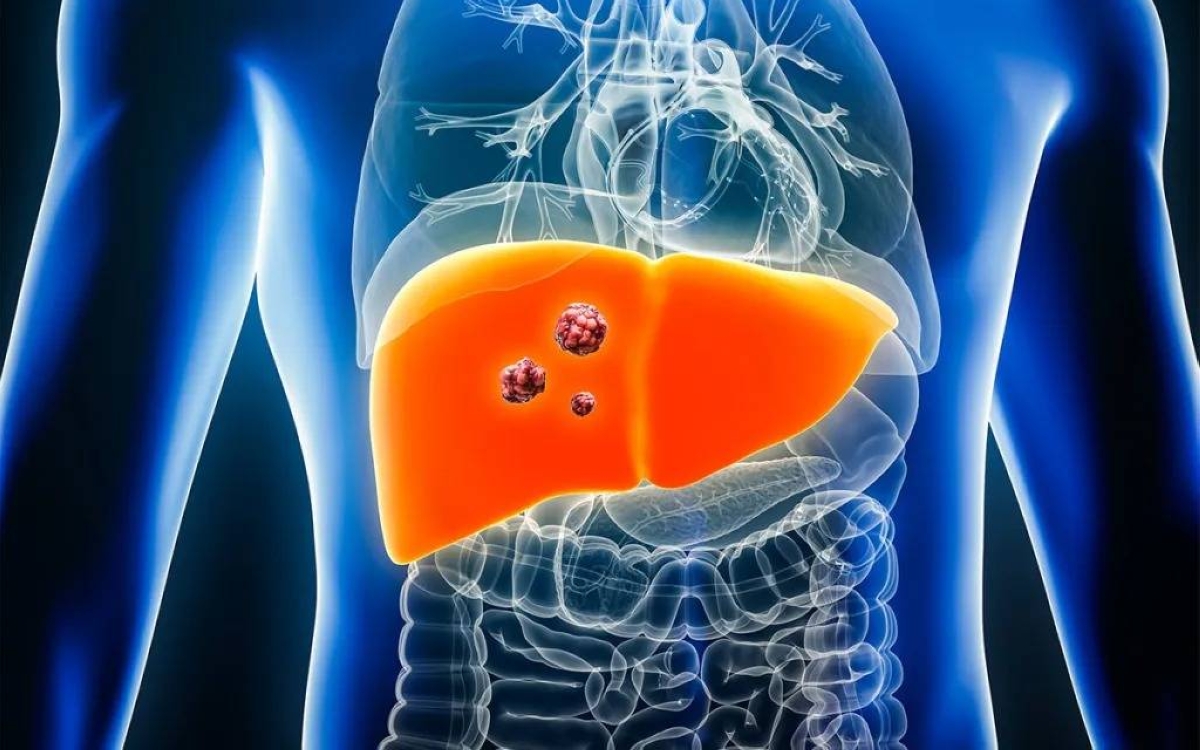
حذر خبراء صحيون من أن سرطان الكبد قد يتحول إلى أزمة صحية عالمية كبرى، مع توقعات بتضاعف الحالات من 870 ألف حالة في عام 2022 إلى 1.52 مليون بحلول عام 2050، وارتفاع الوفيات السنوية من 760 ألف إلى 1.37 مليون خلال الفترة نفسها.
وكشفت دراسة جديدة نشرت في مجلة The Lancet أن هذا الارتفاع يرتبط بشكل متزايد بالسمنة وأمراض الكبد المرتبطة بها، خصوصاً مرض الكبد الدهني المرتبط بالخلل الأيضي (MASLD) والتهاب الكبد الدهني (MASH).
وكان سرطان الكبد يُعد تقليدياً مرضاً يصيب كبار السن المصابين بالتهاب الكبد الفيروسي أو المدمنين على الكحول، لكنه يُشخص الآن بشكل متزايد لدى الشباب في الثلاثينيات والأربعينيات من العمر.
وتشير الدراسة إلى أن التهاب الكبد الدهني (MASH)، المرتبط بالسمنة والخلل الأيضي، سيكون السبب الأسرع نمواً، إذ سترتفع نسبة الحالات المرتبطة به من 5% في 2022 إلى 11% بحلول 2050.
وعلى النقيض، من المتوقع أن تنخفض الحالات الناجمة عن التهاب الكبد الفيروسي B وC نسبياً، بينما ستتزايد الحالات المرتبطة بالسمنة واستهلاك الكحول، إذ سيشكل الكحول سبباً لأكثر من خُمس الحالات بحلول 2050.
وأكد الباحثون من جامعة هونغ كونغ الصينية أن 60% من حالات سرطان الكبد، المعروف أيضاً بسرطان الخلايا الكبدية، يمكن الوقاية منها من خلال تدابير مثل اتباع نظام غذائي متوازن، ممارسة الرياضة، وفقدان الوزن.
وأشار البروفيسور جيان تشو من جامعة فودان الصينية إلى أن سرطان الكبد يُعد من أصعب أنواع السرطان علاجاً، إذ تراوح معدلات البقاء لخمس سنوات بين 5% و30% فقط. وأضاف أن العمل العاجل ضروري لعكس هذا الاتجاه المقلق.
وفي المملكة المتحدة، يُعد سرطان الكبد السبب الأسرع ارتفاعاً للوفيات الناجمة عن السرطان، إذ ينجو 13% فقط من المصابين لخمس سنوات أو أكثر.
وقالت باميلا هيلي، الرئيسة التنفيذية لمؤسسة British Liver Trust، إن السمنة وتليف الكبد والتهاب الكبد الفيروسي هي المخاطر الرئيسية.
وأضافت أن تحسين الكشف المبكر من خلال مراقبة الأشخاص المصابين بتليف الكبد، إلى جانب معالجة الأسباب الجذرية مثل السمنة واستهلاك الكحول، يمكن أن ينقذ أرواحاً.
وتشير البيانات إلى أن ثلثي البالغين في إنجلترا يعانون من زيادة الوزن، و26.5% مصابون بالسمنة، مما يزيد الضغط على هيئة الخدمات الصحية الوطنية (NHS).
وفي الشهر الماضي، سُمح للأطباء بوصف حقن إنقاص الوزن (GLP-1) لمعالجة الأزمة، لكن الصيادلة حذروا من أن الطلب المتزايد قد يكون غير مستدام.
Health experts have warned that liver cancer could turn into a major global health crisis, with projections of cases doubling from 870,000 in 2022 to 1.52 million by 2050, and annual deaths rising from 760,000 to 1.37 million during the same period.
A new study published in The Lancet revealed that this increase is increasingly linked to obesity and related liver diseases, particularly metabolic dysfunction-associated steatotic liver disease (MASLD) and alcoholic steatosis (MASH).
Liver cancer has traditionally been considered a disease affecting older adults with viral hepatitis or alcohol addiction, but it is now being diagnosed more frequently in young people in their thirties and forties.
The study indicates that alcoholic steatosis (MASH), associated with obesity and metabolic dysfunction, will be the fastest-growing cause, with the proportion of related cases rising from 5% in 2022 to 11% by 2050.
In contrast, cases resulting from viral hepatitis B and C are expected to decline relatively, while cases linked to obesity and alcohol consumption will increase, with alcohol accounting for more than one-fifth of cases by 2050.
Researchers from the Chinese University of Hong Kong confirmed that 60% of liver cancer cases, also known as hepatocellular carcinoma, can be prevented through measures such as maintaining a balanced diet, exercising, and losing weight.
Professor Jian Zhou from Fudan University in China noted that liver cancer is one of the most difficult types of cancer to treat, with five-year survival rates ranging between only 5% and 30%. He added that urgent action is necessary to reverse this concerning trend.
In the United Kingdom, liver cancer is the fastest-rising cause of cancer-related deaths, with only 13% of those diagnosed surviving five years or more.
Pamela Healy, CEO of the British Liver Trust, stated that obesity, liver cirrhosis, and viral hepatitis are the main risks.
She added that improving early detection through monitoring individuals with liver cirrhosis, along with addressing root causes such as obesity and alcohol consumption, could save lives.
Data indicates that two-thirds of adults in England are overweight, with 26.5% classified as obese, increasing the pressure on the National Health Service (NHS).
Last month, doctors were allowed to prescribe weight-loss injections (GLP-1) to address the crisis, but pharmacists warned that the rising demand may be unsustainable.