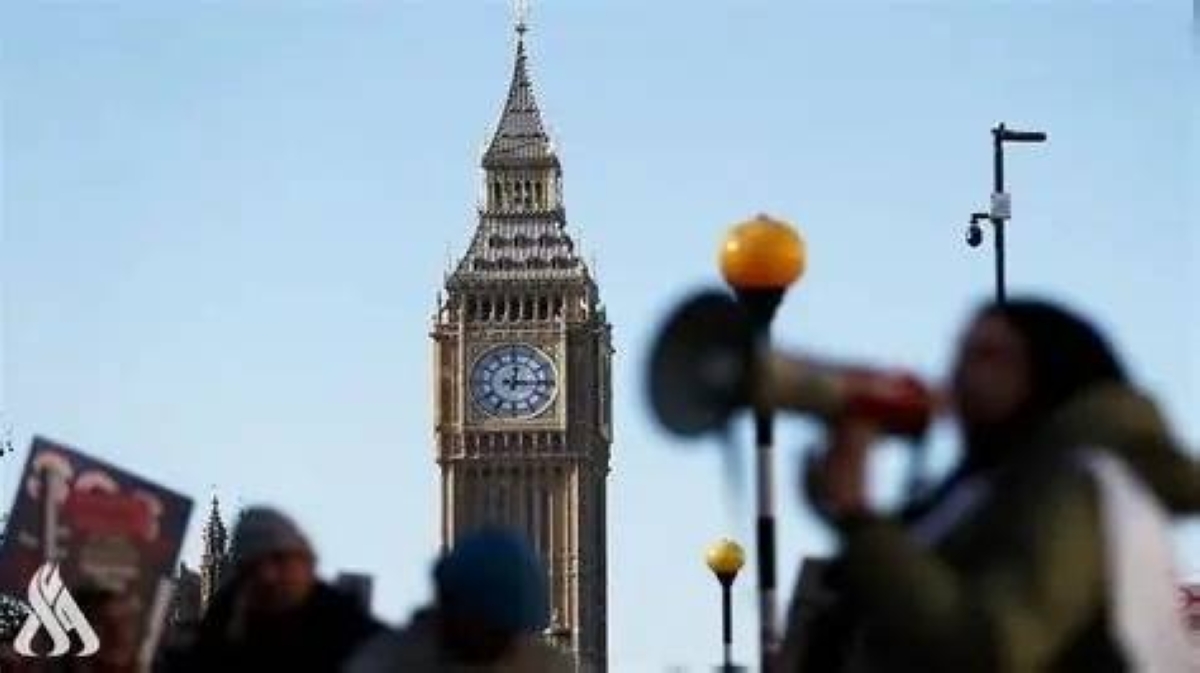
بدأ نحو 50 ألف طبيب مقيم في إنجلترا اليوم الجمعة إضراباً يستمر لمدة 5 أيام، من الساعة 7 صباحا اليوم حتى 7 صباحا الأربعاء 30 يوليو، بعد فشل المفاوضات بين الحكومة البريطانية والجمعية الطبية البريطانية التي تمثل الأطباء المقيمين (المعروفين سابقاً باسم الأطباء المبتدئين).
ويطالب الأطباء بزيادة أجورهم بنسبة 29% لتعويض انخفاض رواتبهم الحقيقية بنحو 20% مقارنة بعام 2008، بينما وصف وزير الصحة ويس ستريتينغ الإضراب بأنه «غير معقول» و«ضار بالمرضى وجهود إصلاح الخدمات الصحية الوطنية».
ويُعد الأطباء المقيمون، الذين يشكلون نحو نصف الأطباء في بريطانيا، جزءاً أساسياً من النظام الصحي، حيث يعملون في مختلف أقسام المستشفيات، بما في ذلك الطوارئ وممارسات الأطباء العامين، ويمر هؤلاء الأطباء بتدريب طويل قد يصل إلى 10 سنوات، ويواجهون تحديات مثل تكاليف امتحانات التدريب الباهظة (تصل إلى آلاف الجنيهات)، وديون الدراسة التي قد تصل إلى 100 ألف جنيه إسترليني، إضافة إلى جداول عمل غير مرنة.
وخلال السنوات الأخيرة شهدت العلاقة بين الأطباء المقيمين والحكومة توترات متصاعدة بسبب الخلاف حول الأجور، وفي 2023 و2024 نفذ الأطباء المقيمون 11 إضراباً، تسببت في إلغاء مئات الآلاف من مواعيد المرضى والعمليات الجراحية، وحصل الأطباء على زيادة أجور تراكمية بنسبة 28.9%، بما في ذلك زيادة بنسبة 5.4% لهذا العام، لكن الجمعية الطبية البريطانية تؤكد أن هذه الزيادات لا تعوض الانخفاض الحقيقي في الأجور بسبب التضخم وسنوات من القيود المالية.
وقبل الإضراب، أجرى وزير الصحة ويس ستريتينغ محادثات مكثفة مع الجمعية الطبية البريطانية، ركزت على تحسين ظروف العمل مثل تغطية تكاليف الامتحانات، ومنح الأطباء مزيداً من التحكم في جداول العمل، وتسريع التقدم الوظيفي، لكن الجمعية رفضت تأجيل الإضراب، معتبرة أن الحكومة لم تقدم عرضاً «ذا مصداقية» لاستعادة الأجور.
وأشار استطلاع للرأي أجرته مؤسسة «إيبسوس» إلى تراجع الدعم العام للإضرابات من 52% العام الماضي إلى 26%، ما زاد الضغط على الطرفين للتوصل إلى حل. ويحذر مسؤولو الصحة من أن الإضراب سيؤدي إلى إلغاء مئات الآلاف من مواعيد المرضى، ما يهدد جهود تقليص قوائم الانتظار في الخدمات الصحية الوطنية، التي تخدم نحو 300 ألف موعد يومياً.
About 50,000 junior doctors in England began a five-day strike today, Friday, from 7 AM until 7 AM on Wednesday, July 30, after negotiations between the British government and the British Medical Association, which represents junior doctors (formerly known as foundation doctors), failed.
The doctors are demanding a 29% pay increase to compensate for a real-terms pay cut of about 20% compared to 2008, while Health Minister Wes Streeting described the strike as "unreasonable" and "harmful to patients and efforts to reform the National Health Service."
Junior doctors, who make up about half of the doctors in Britain, are a vital part of the healthcare system, working in various hospital departments, including emergency and general practice. These doctors undergo extensive training that can last up to 10 years and face challenges such as high costs for training exams (reaching thousands of pounds), student debts that can amount to £100,000, in addition to inflexible work schedules.
In recent years, the relationship between junior doctors and the government has seen escalating tensions due to disputes over pay. In 2023 and 2024, junior doctors staged 11 strikes, leading to the cancellation of hundreds of thousands of patient appointments and surgeries. The doctors received a cumulative pay increase of 28.9%, including a 5.4% increase for this year, but the British Medical Association asserts that these increases do not compensate for the real decline in wages due to inflation and years of financial constraints.
Before the strike, Health Minister Wes Streeting held intensive talks with the British Medical Association, focusing on improving working conditions such as covering exam costs, giving doctors more control over work schedules, and accelerating career progression. However, the association refused to postpone the strike, considering that the government did not present a "credible" offer to restore pay.
A poll conducted by Ipsos indicated a decline in public support for the strikes from 52% last year to 26%, increasing pressure on both sides to reach a resolution. Health officials warn that the strike will lead to the cancellation of hundreds of thousands of patient appointments, threatening efforts to reduce waiting lists in the National Health Service, which serves about 300,000 appointments daily.