


تبدو قصة رهف واحدة من أكثر القصص الإنسانية المؤثرة في العالم. فتاة قضت اثنين وعشرين عامًا من عمرها داخل مستشفى الملك فيصل التخصصي ومركز الأبحاث بالرياض، بعد أن واجهت مرضًا وراثيًا نادرًا في تخثر الدم منذ شهورها الأولى، وضع حياتها على المحك، واستدعى رعاية طبية استثنائية، دقيقة، وفائقة، امتدت لأكثر من عقدين.
هذه القصة، بما تحمله من معاناة ومثابرة واستمرارية، تبرز حجم الرعاية التي توليها حكومة المملكة العربية السعودية لصحة الإنسان، وتجسّد التزامها الثابت تجاه مواطنيها، حيث بلغت كلفة العلاج السنوية التي تكفلت بها الدولة أكثر من 6 ملايين ريال، واستمر الدعم بلا انقطاع طوال رحلة العلاج، حتى انتهت بزراعة كبد تُعد الأولى من نوعها عالميًا لحالتها.
رهف هاني أبو زهرة، لم تكن حالة طبية عادية. كانت حياة تُبنى يوماً بيوم، وسط مشهد علاجي طويل تتداخل فيه التخصصات، وتتقاطع فيه القلوب مع الكفاءات. يروي والدها، هاني سليمان أبوزهرة، بداياتها بقوله:
«منذ ولادتها كانت تتألم دون توقف، لا ترضع، ولا تهدأ... وكنا في قلق دائم لا نعرف له نهاية. واليوم، بفضل الله، ثم بما وفرته المملكة من إمكانات وعناية، عادت ابنتي للحياة بعد رحلة طويلة من المعاناة».
الرحلة كانت بإشراف طبي مباشر من الدكتور هزاع الزهراني، رئيس قسم أمراض الدم وزراعة الخلايا الجذعية للبالغين، الذي وصف الحالة بأنها من أندر الحالات عالميًا، وأضاف:
«تطلبت متابعة دقيقة لسنوات طويلة، وجاء قرار زراعة الكبد بعد دراسة دقيقة كخيار استثنائي، ونجاحه يمثل نقطة تحول في مسار الحالة، ونموذجًا عالميًا في الرعاية الطبية المتقدمة».
رهف لم تكن تتلقى العلاج فقط، بل كانت تكبر في ظله. عاشت سنواتها ما بين الأدوية والحقن والعزلة، لكنها قاومت بصمت، وتمسكت بالحياة.
وهذه القصة، بكل تفاصيلها، تمنحنا دروسًا عميقة في الإيمان بالمسؤولية، وفي معنى الدعم الذي يجده المواطن في وطنه، وفي قيمة الرعاية الطبية، التي تضع الإنسان أولاً.. كما تفعل السعودية.
#بروفايل
في حضن «التخصصي» وبين ذراعي وطنها.. رهف طفولة كبرت في المستشفى برعاية دامت 22 عاماً
24 يوليو 2025 - 01:40
|
آخر تحديث 24 يوليو 2025 - 01:40
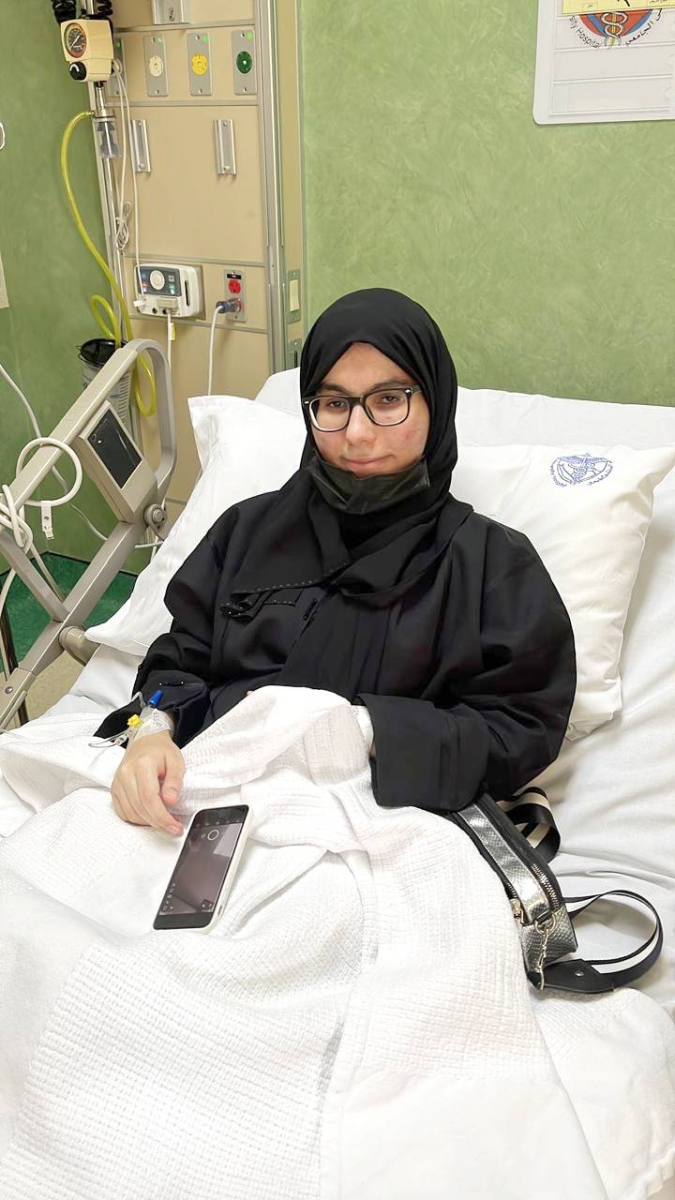
رهف أبو زهرة.


تابع قناة عكاظ على الواتساب
ماجد العكفي (جدة) OKAZ_online@
The story of Rahaf seems to be one of the most touching human stories in the world. A girl who spent twenty-two years of her life inside King Faisal Specialist Hospital and Research Center in Riyadh, after facing a rare genetic blood clotting disorder since her early months, which put her life at risk and required exceptional, precise, and extensive medical care that lasted for more than two decades.
This story, with its suffering, perseverance, and continuity, highlights the extent of care that the government of the Kingdom of Saudi Arabia provides for human health, embodying its unwavering commitment to its citizens, as the annual treatment costs covered by the state exceeded 6 million riyals, and the support continued uninterrupted throughout the treatment journey, culminating in a liver transplant that is considered the first of its kind globally for her condition.
Rahaf Hani Abu Zahra was not an ordinary medical case. Her life was built day by day, amidst a long therapeutic scene where specialties intertwined, and hearts intersected with competencies. Her father, Hani Suleiman Abu Zahra, recounts her beginnings by saying:
“Since her birth, she has been in constant pain, unable to breastfeed, and never at ease... We were in constant worry with no end in sight. Today, thanks to God, and what the Kingdom has provided in terms of capabilities and care, my daughter has returned to life after a long journey of suffering.”
The journey was under the direct medical supervision of Dr. Hazaa Al-Zahrani, head of the Adult Hematology and Stem Cell Transplantation Department, who described the case as one of the rarest globally, adding:
“It required precise monitoring for many years, and the decision to perform the liver transplant came after careful study as an exceptional option, and its success represents a turning point in the course of the case, and a global model in advanced medical care.”
Rahaf was not only receiving treatment; she was growing in its shadow. She lived her years between medications, injections, and isolation, but she silently resisted and clung to life.
This story, in all its details, offers us profound lessons in faith in responsibility, in the meaning of the support that a citizen finds in their homeland, and in the value of medical care that puts the human being first... just as Saudi Arabia does.
This story, with its suffering, perseverance, and continuity, highlights the extent of care that the government of the Kingdom of Saudi Arabia provides for human health, embodying its unwavering commitment to its citizens, as the annual treatment costs covered by the state exceeded 6 million riyals, and the support continued uninterrupted throughout the treatment journey, culminating in a liver transplant that is considered the first of its kind globally for her condition.
Rahaf Hani Abu Zahra was not an ordinary medical case. Her life was built day by day, amidst a long therapeutic scene where specialties intertwined, and hearts intersected with competencies. Her father, Hani Suleiman Abu Zahra, recounts her beginnings by saying:
“Since her birth, she has been in constant pain, unable to breastfeed, and never at ease... We were in constant worry with no end in sight. Today, thanks to God, and what the Kingdom has provided in terms of capabilities and care, my daughter has returned to life after a long journey of suffering.”
The journey was under the direct medical supervision of Dr. Hazaa Al-Zahrani, head of the Adult Hematology and Stem Cell Transplantation Department, who described the case as one of the rarest globally, adding:
“It required precise monitoring for many years, and the decision to perform the liver transplant came after careful study as an exceptional option, and its success represents a turning point in the course of the case, and a global model in advanced medical care.”
Rahaf was not only receiving treatment; she was growing in its shadow. She lived her years between medications, injections, and isolation, but she silently resisted and clung to life.
This story, in all its details, offers us profound lessons in faith in responsibility, in the meaning of the support that a citizen finds in their homeland, and in the value of medical care that puts the human being first... just as Saudi Arabia does.


