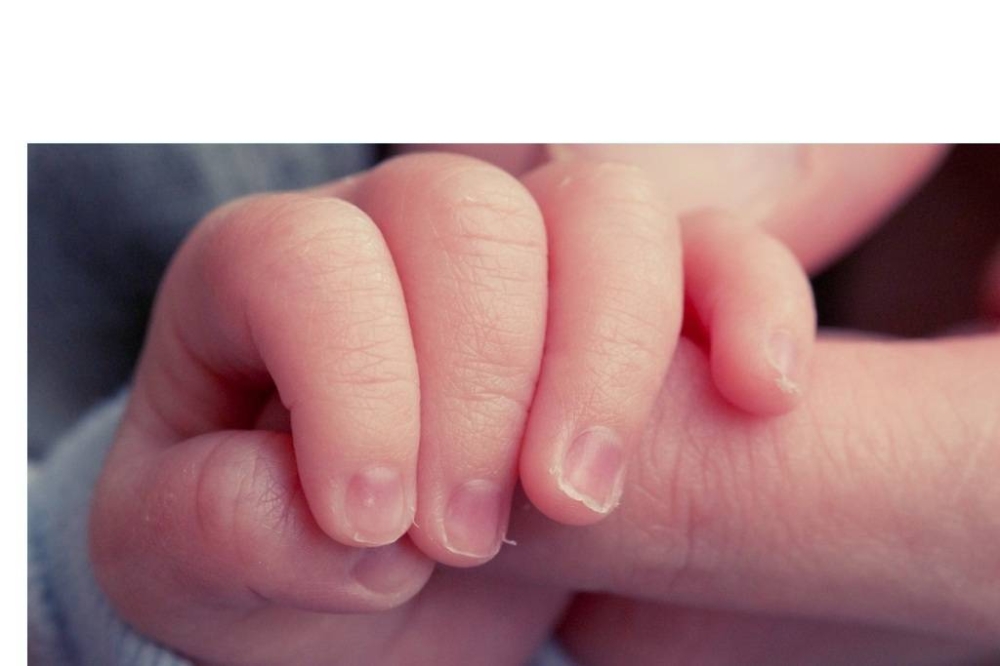
في خطوة علمية غير مسبوقة، وُلد 8 أطفال في بريطانيا باستخدام تقنية طبية متطورة تعتمد على الحمض النووي لـ3 أشخاص، في محاولة جريئة للقضاء على أمراض الميتوكوندريا الوراثية التي تنتقل من الأم إلى الطفل.
وتهدف التقنية الثورية، التي تُعرف باسم «التلقيح من 3 آباء»، إلى استبدال الميتوكوندريا المعيبة في بويضة الأم بأخرى سليمة من متبرعة ثالثة، ما يتيح ولادة أطفال يتمتعون بصحة جيدة دون خطر الإصابة بهذه الحالة القاتلة.
أمراض الميتوكوندريا تُعد من أخطر الحالات الوراثية، إذ تؤدي إلى اختلالات مدمرة في خلايا الجسم قد تسبب النوبات، وفشل الأعضاء، وأحياناً الموت في سن مبكرة. الآن، وبعد ولادة أول أطفال باستخدام هذه التقنية في نيوكاسل، بدأت تظهر بارقة أمل لعائلات كانت محكومة بخطر وراثي لا مفر منه.
وتتضمن العملية تخصيب بويضة من الأم وأخرى من المتبرعة بحيوانات منوية من الأب، ثم نقل المادة الوراثية للوالدين إلى جنين المتبرعة، الذي يحتوي على ميتوكوندريا سليمة. النتيجة: طفل يحمل 99.9% من الحمض النووي لوالديه، و0.1% فقط من متبرعة الميتوكوندريا.
حتى الآن، خضعت 22 عائلة لهذه العملية، وأسفرت عن ولادة 8 أطفال –من بينهم توأمان– يتمتعون بصحة جيدة. وبينما ظهرت بعض المشكلات الصحية الطفيفة لدى اثنين من الأطفال، مثل نوبات صرع بسيطة أو اضطرابات في نظم القلب، لم تُربط أي منها مباشرة بالتقنية.
وأكد الأطباء أن هذه المؤشرات لا تقلل من نجاح التجربة، بل تدعم ضرورة استمرار المتابعة والبحث، خاصة بعد ملاحظة آثار ضئيلة للميتوكوندريا الأصلية في بعض الأطفال.
ورغم الإنجاز الطبي اللافت، لا يزال الجدل الأخلاقي مستمراً. ويخشى بعض الخبراء من أن تفتح هذه التقنية الباب أمام «تصميم الأطفال وراثياً» أو التحكم في صفاتهم، ما يثير تساؤلات فلسفية وطبية طويلة الأمد.
لكن بالنسبة للآباء الذين فقدوا أبناءهم بسبب أمراض الميتوكوندريا، فإن هذا التقدم لا يمثل تهديداً أخلاقياً، بل فرصة لإنجاب أطفال أصحاء، وتجاوز مأساة موروثة.
ويُعد هذا التقدم الطبي واحداً من أكثر الابتكارات العلمية جرأة في القرن الحادي والعشرين. ورغم أنه لا يزال في مراحله الأولى، إلا أنه يُمهد الطريق أمام مستقبل طبي قد يخلو من معاناة الأمراض الوراثية الفتاكة.
In an unprecedented scientific step, 8 babies were born in Britain using an advanced medical technique that relies on the DNA of 3 people, in a bold attempt to eliminate hereditary mitochondrial diseases that are passed from mother to child.
The revolutionary technique, known as "three-parent IVF," aims to replace the defective mitochondria in the mother's egg with healthy ones from a third donor, allowing the birth of healthy children without the risk of this fatal condition.
Mitochondrial diseases are among the most severe genetic conditions, leading to devastating dysfunctions in the body's cells that can cause seizures, organ failure, and sometimes death at an early age. Now, after the birth of the first babies using this technique in Newcastle, a glimmer of hope has begun to emerge for families that were doomed to an unavoidable genetic risk.
The process involves fertilizing an egg from the mother and another from the donor with sperm from the father, then transferring the genetic material of the parents to the donor's embryo, which contains healthy mitochondria. The result: a child with 99.9% of the DNA from their parents, and only 0.1% from the mitochondrial donor.
So far, 22 families have undergone this procedure, resulting in the birth of 8 children – including twins – who are in good health. While some minor health issues have appeared in two of the children, such as mild seizures or heart rhythm disturbances, none have been directly linked to the technique.
Doctors have confirmed that these indicators do not diminish the success of the experiment, but rather support the need for continued monitoring and research, especially after observing slight traces of the original mitochondria in some children.
Despite the notable medical achievement, ethical debate continues. Some experts fear that this technique may open the door to "designer babies" or control over their traits, raising long-term philosophical and medical questions.
However, for parents who have lost their children due to mitochondrial diseases, this advancement does not represent an ethical threat, but rather an opportunity to have healthy children and overcome inherited tragedy.
This medical advancement is considered one of the boldest scientific innovations of the 21st century. Although it is still in its early stages, it paves the way for a medical future that may be free from the suffering of lethal genetic diseases.